Tuesday, June 30, 2020

Is the hydrogen tech 'revolution' hope or hype?

Can hydrogen - a relatively clean source of fuel - help power the economy of the future?

source https://www.bbc.co.uk/news/science-environment-53238512

Facebook bans 'violent' Boogaloo-linked network

It said the group seeks violence and is loosely affiliated with the far-right Boogaloo movement

source https://www.bbc.co.uk/news/world-us-canada-53244339

Best laptop sales in Australia: cheap laptops to buy in July 2020

If you’re looking for a cheap laptop or a mammoth saving on a premium portable computer, you’ve come to the right place. We’ve scoured the web for savings and rounded up all the genuine deals in one neat place.

You’ll find we’ve covered everything from budget browsing machines to high-performance powerhouses, so you’ll no doubt find something here to match your needs.

We’ve highlighted a selection of the latest deals that we’ve sniffed out, and if you scroll further down, we've rounded up some of our favourite laptops in a dedicated buying guide.

Best laptop deals this week

Laptops & ultrabooks
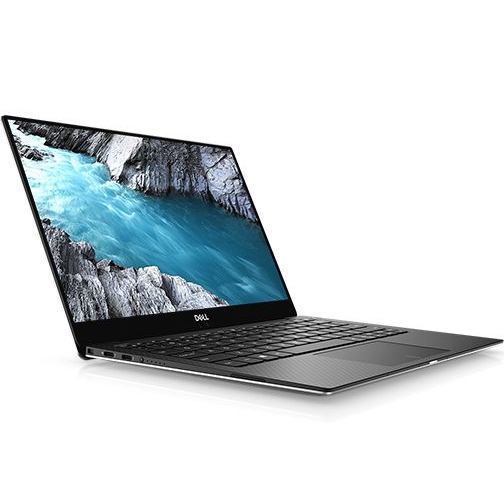
Dell XPS 13 (7390) | i5 / 8GB / 256GB SSD | AU$1,699 (RRP AU$1,999; save AU$300)

While many of the configurations from Dell’s premium XPS range will set you back a hefty sum, here’s your chance to score one for under the AU$2,000 mark. It’s last year’s version, but it’s still a stellar machine with a 10th-gen Core i5 chip and 256GB of solid-state storage. Work or play, this sleek machine will deliver. Now 15% directly from Dell.View Deal

Dell XPS 13 (9300) | i7 / 8GB / 512GB | AU$2,549 (RRP AU$2,999; save AU$450)

Last year’s Dell XPS 13 was always going to be a tough act to follow, but Dell pushed the envelope and delivered this stunning XPS 13 2020 update. There’s grunt under the hood, with a 10th-generation Core 17 and 8GB of system memory. This brand new machine had dropped to 20% off last week, and while it’s since bumped up slightly, you can still score 15% off when you buy directly from Dell.View Deal
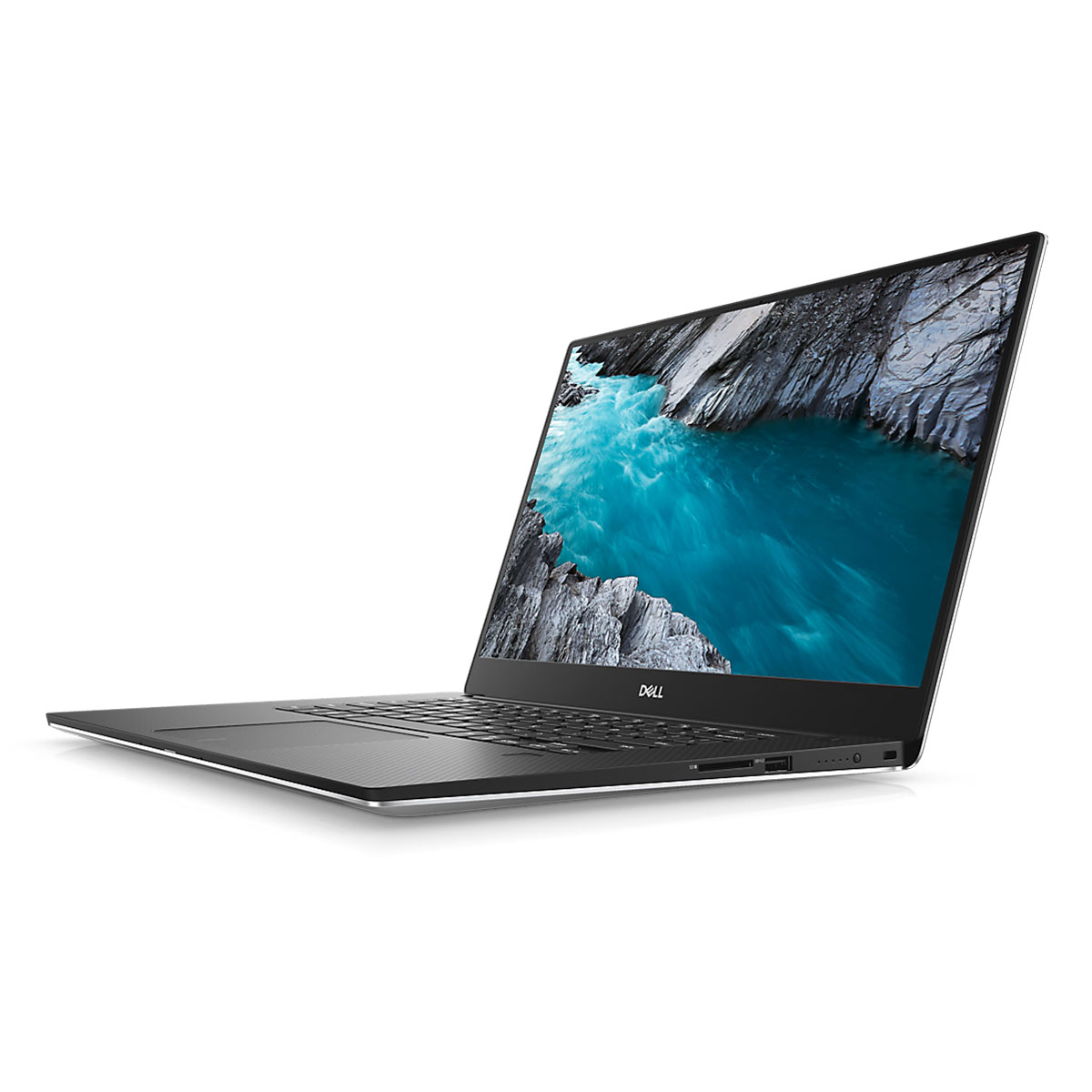
Dell XPS 15 (7590) | i7 / 16GB / 512GB SSD / GTX 1650 | AU$2,804 (RRP AU$3,299; save AU$495)

This laptop brings the power and design of the XPS to 15-inches of screen real estate. This iteration has a 9th-generation Core i7 processor, 16GB RAM and a 512GB SSD. It also has an Nvidia GeForce GTX 1650 GPU onboard for basic gaming, which you’ll have plenty of room to enjoy with barely-there bezels on a Full HD display. It was AU$660 off last week, but if you buy it now, there’s still AU$495 to be saved.View Deal
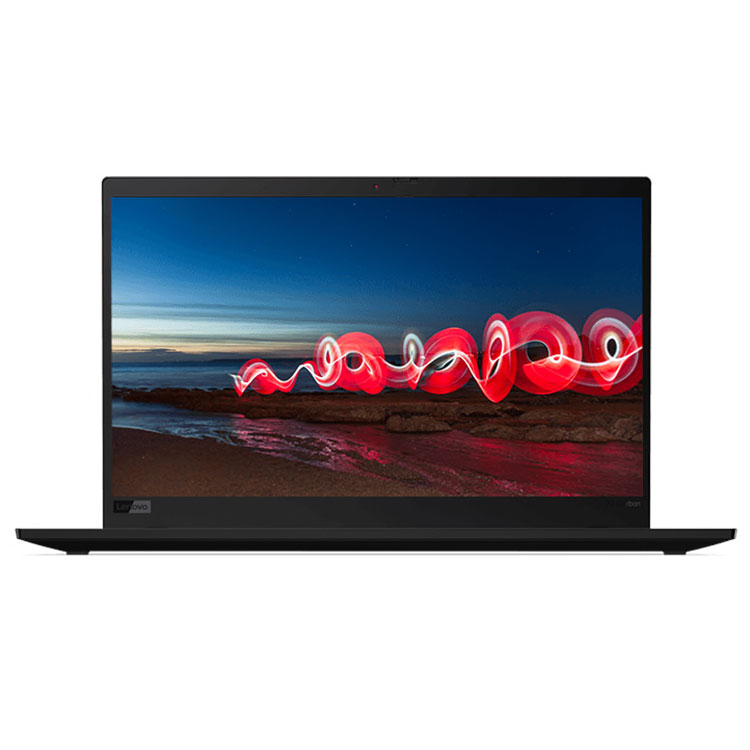
Lenovo ThinkPad X1 Carbon (7th Gen) | i5 / 8GB / 512GB SSD | AU$2,436.75 (RRP AU$3,249; save AU$812.25)

This may be from Lenovo’s range of business-focused laptops, but that hasn’t stopped our colleagues over at Laptop Mag from recommending it as the best Lenovo laptop available today. It’s incredibly light, yet manages to be durable as well, and the 1080p display on this model means you’ll get nearly 10 hours of battery life. Available directly from Lenovo with just over AU$800 saved.View Deal
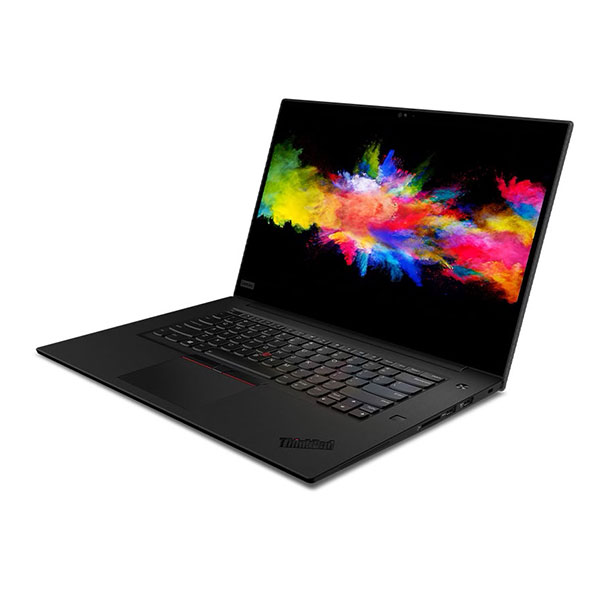
Lenovo ThinkPad P1 (2nd Gen) | i7 / 8GB / 256GB SSD | AU$2,696.85 (RRP AU$4,149; save AU$1,452.15)

This 15-inch workstation is now 35% off from Lenovo, and it’s packing power inside its slim form factor. That includes a 9th-generation Core i7 processor and Dolby Atmos speakers. You’ll also find Wi-Fi 6, so you can get faster downloads and optimal functionality in crowded networks. Available directly from Lenovo with a huge saving of AU$1,450 on the table.View Deal
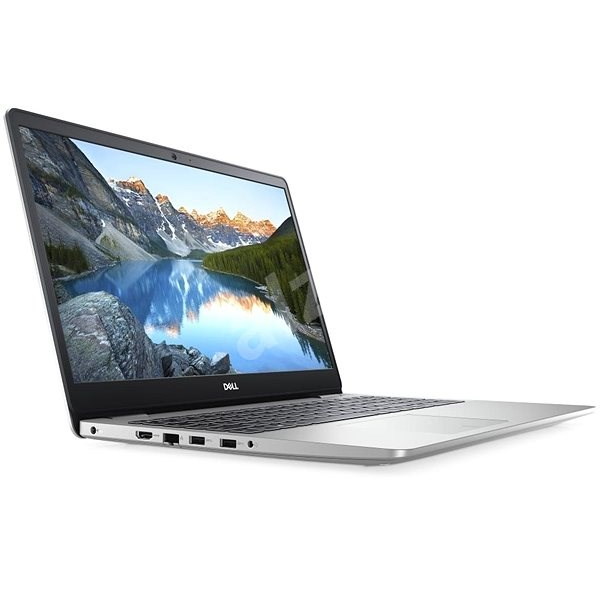
Dell Inspiron 15 5000 (5593) | i7 / 16GB / 512GB SSD | AU$1,259 (RRP AU$2,099; save AU$840)

Dell has slashed the price of this high-spec machine, dropping the RRP by 40%. There’s a lot to like here too – inside you’ll find Intel’s latest 10th-gen i7 processor, teamed up with 16GB of system memory and 512GB of solid-state storage. Exactly the kind of specs that’ll make using this laptop a breeze. Grab it now while it’s discounted down to AU$1,259 directly from Dell.View Deal
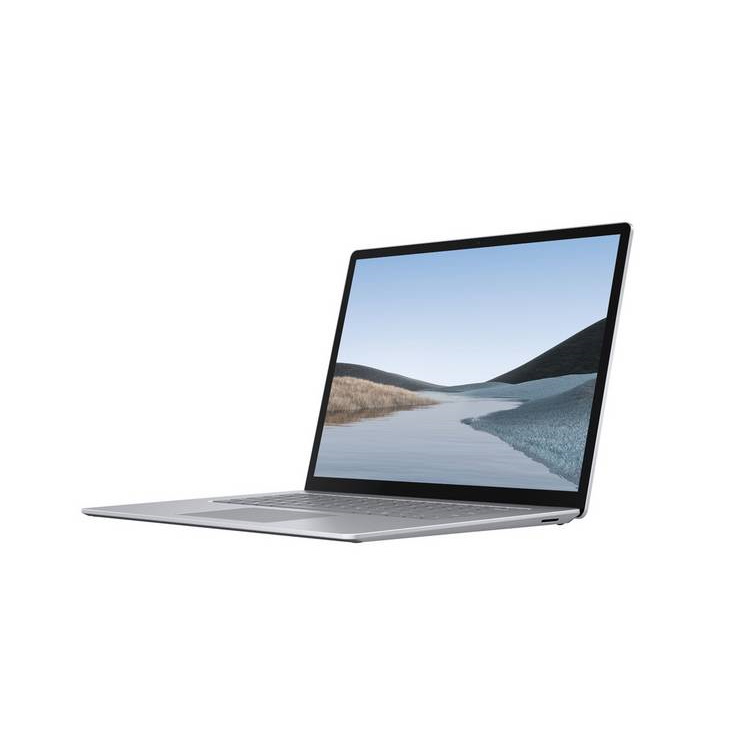
Microsoft Surface Laptop 3 | 20% off

Each configuration of the Surface Laptop 3 has been discounted by 20%, and it’s one to consider if you’re looking for a machine with all-day battery life. You’ll have your pick from a variety of eye-catching colours, and processors are available in i5 or i7, all Intel’s latest 10th-generation. Available directly from Microsoft.View Deal
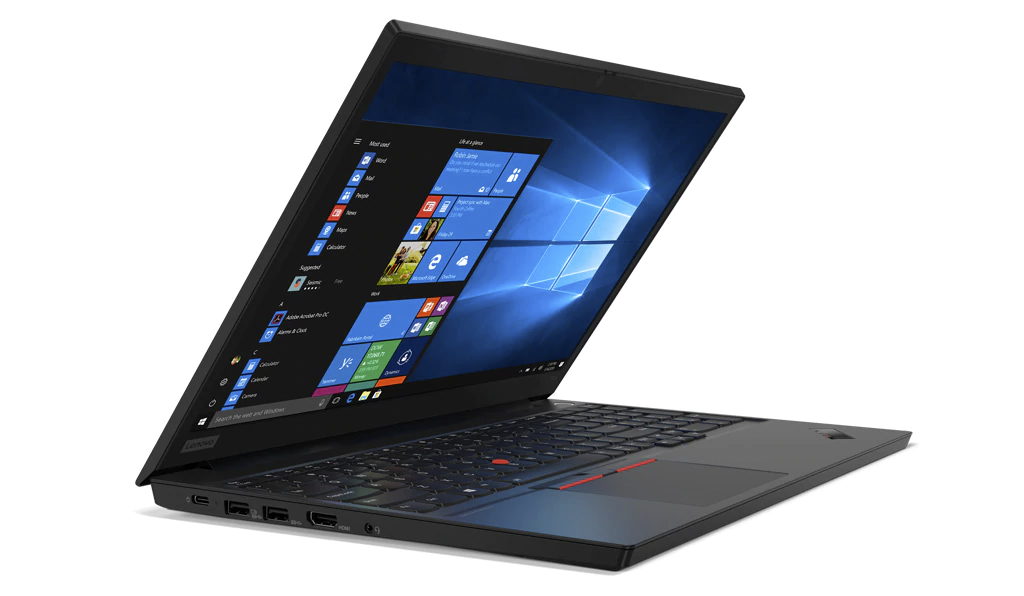
Lenovo ThinkPad E15 | i5 / 8GB /  512GB SSD | AU$1,034.55 (RRP AU$2,299; save AU$1,264.45)

Lenovo's ThinkPad range is known in the world of business laptops for its security and stability, and this E15 is no exception. You can set yourself up with a 10th-gen Intel Core i5 CPU, 8GB of RAM, a 15.6-inch display, 512GB SSD and fingerprint reader for better than half price from Lenovo's store.View Deal
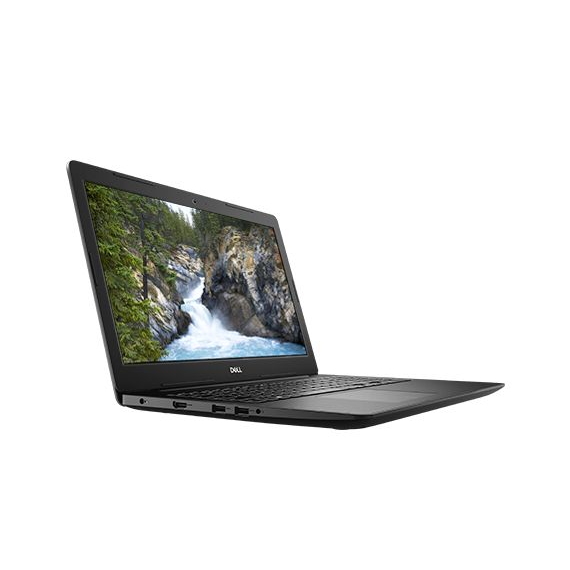
Dell Vostro 15 3000 (3591) | i7 / 8GB / 512GB / MX230 | AU$1,279 (RRP AU$2,139; save AU$860)

This 15-inch laptop has been designed for work but there's a discrete graphics card that will help when it comes time to switch off. While the MX230 isn't a powerful GPU, it will run some basic gaming when you require a little distraction. And a 40% discount sees a cool AU$860 slashed off the RRP, and you can use the checkout code EOFY5 to score an additional 5% off. That brings the final price down to just AU$1,215.View Deal
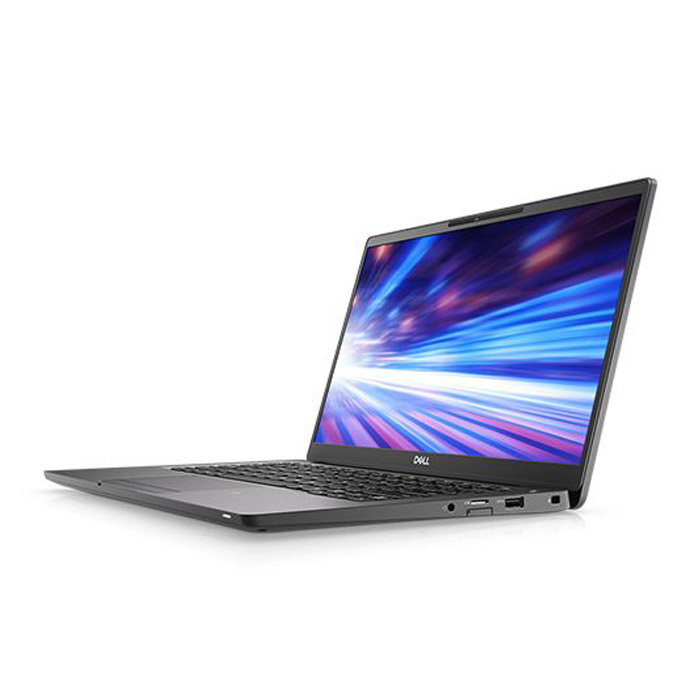
Dell Latitude 7400 | i7 / 16GB / 512GB SSD | AU$2,343 (RRP AU$5,983; save AU$3,640)

Time to get down to business? The Dell Latitude 7400 is one impressive machine, and now you can save 60% on this workhorse. To keep your day running smoothly, you’ll have an 8th-generation Core i7 processor on your side, plus 16GB of memory and 512GB of solid-state storage. You’ll comfortably power through the day thanks to a long battery life which Dell promises will last up to 13 hours. Head directly to Dell to make it yours.View Deal

2-in-1s

Further price drop: Dell XPS 13 2-in-1 (7390) | i7 / 16GB / 512GB SSD | AU$2,324 (RRP AU$3,099; save AU$775)

This is Dell’s premium XPS 13 machine in a versatile chassis. This particular configuration has Intel’s latest 10th-gen Core i7 chip inside, 16GB of RAM and a 512GB SSD. It’s also got a lovely 13.4-inch Full HD touchscreen display. If you want top-of-the-line specs in a flexible laptop, this one is hard to beat. Best of all, it’s now 25% off from Dell’s online store.View Deal
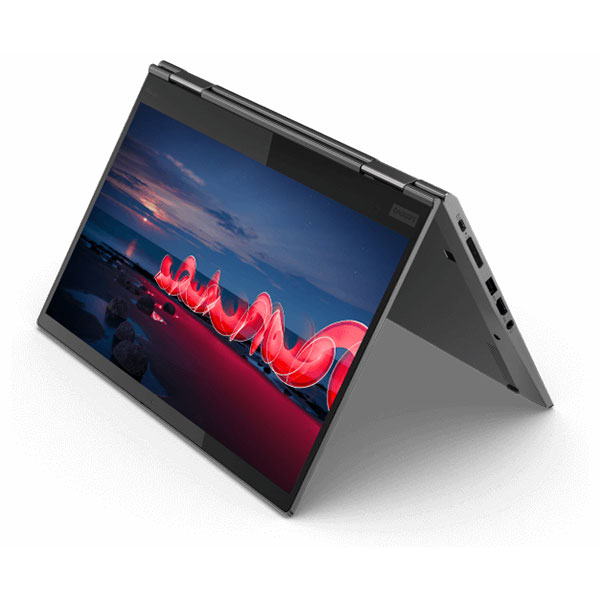
Lenovo ThinkPad X1 Yoga (4th Gen) | i5 / 8GB / 256GB SSD | AU$2,474.25 (RRP AU$3,299; save AU$824.75)

The X1 Yoga brings a sleek, convertible chassis to Lenovo’s business range of laptops, and it doesn’t disappoint. You’ll find a bright, vivid Full HD display with a battery life that’ll last you all day. This configuration houses a 10th-gen Core i5 chip, 8GB of RAM and a 256GB SSD. A built-in stylus slot and Dolby Atmos are the cherry on top of this very well-rounded package. Now 25% off from Lenovo.View Deal
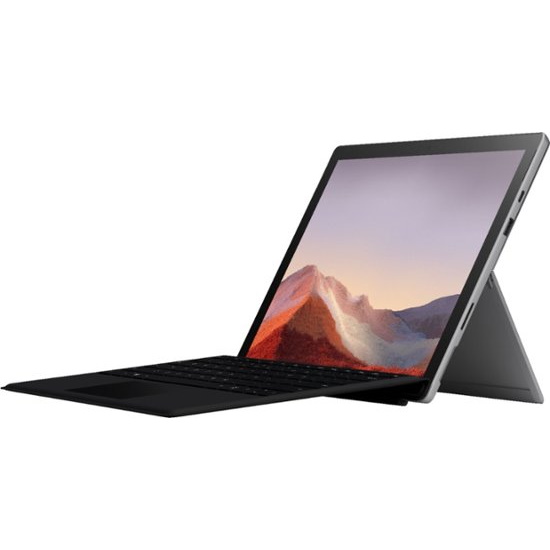
Microsoft Surface Pro 7 | 20% off

The Surface Pro 7 is Microsoft’s most powerful Surface tablet to date, and each configuration is discounted by 20%. Configurations start with an Intel Core i3 and go up to an i7, with various blends of system memory and solid-state storage available. Go to Microsoft to pick yours up with a decent packet saved.View Deal
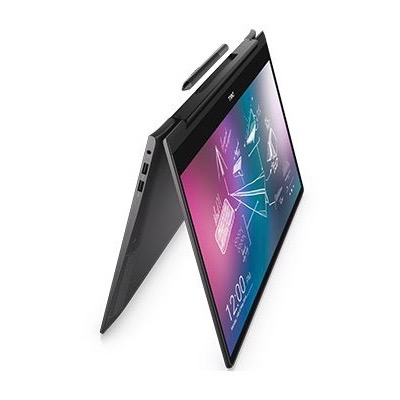
Dell Inspiron 15 7000 2-in-1 (7591) | i5 / 8GB / 256GB SSD | AU$1,379 (RRP AU$2,299; save AU$920)

Whether you’re working from the home office or curled up on the couch, this versatile 2-in-1 will quite literally bend over backwards to fit your needs. This convertible laptop comes from Dell’s more affordable Inspiron range, yet it feels quite premium with an aluminium casing and fingerprint login. Running the show is a 10th-generation Core i5 processor, teamed with 8GB of memory and 256GB of solid-state storage. Now discounted by 40% directly from Dell with an Active Pen included.View Deal
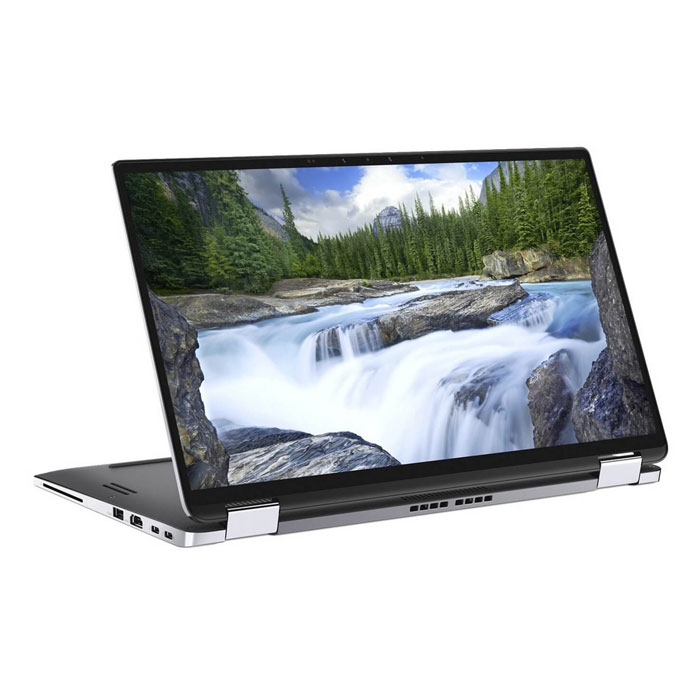
Dell Latitude 7400 2-in-1 | i7 / 16GB / 512GB SSD | AU$3,362 (RRP AU$7,132; save AU$3,770)

The Latitude line is Dell’s range of premium business laptops, and practically all of them come with a high price tag to match. However, this machine is steeply discounted by 52%, saving you a solid AU$3,770. This workhorse has a slightly older 8th-generation i7 processor, but it’s got 16GB of RAM and 512GB of SSD. It’s lightweight, flexible and has an all-round sleek design. Save yourself a packet when you pick it up from Dell.View Deal
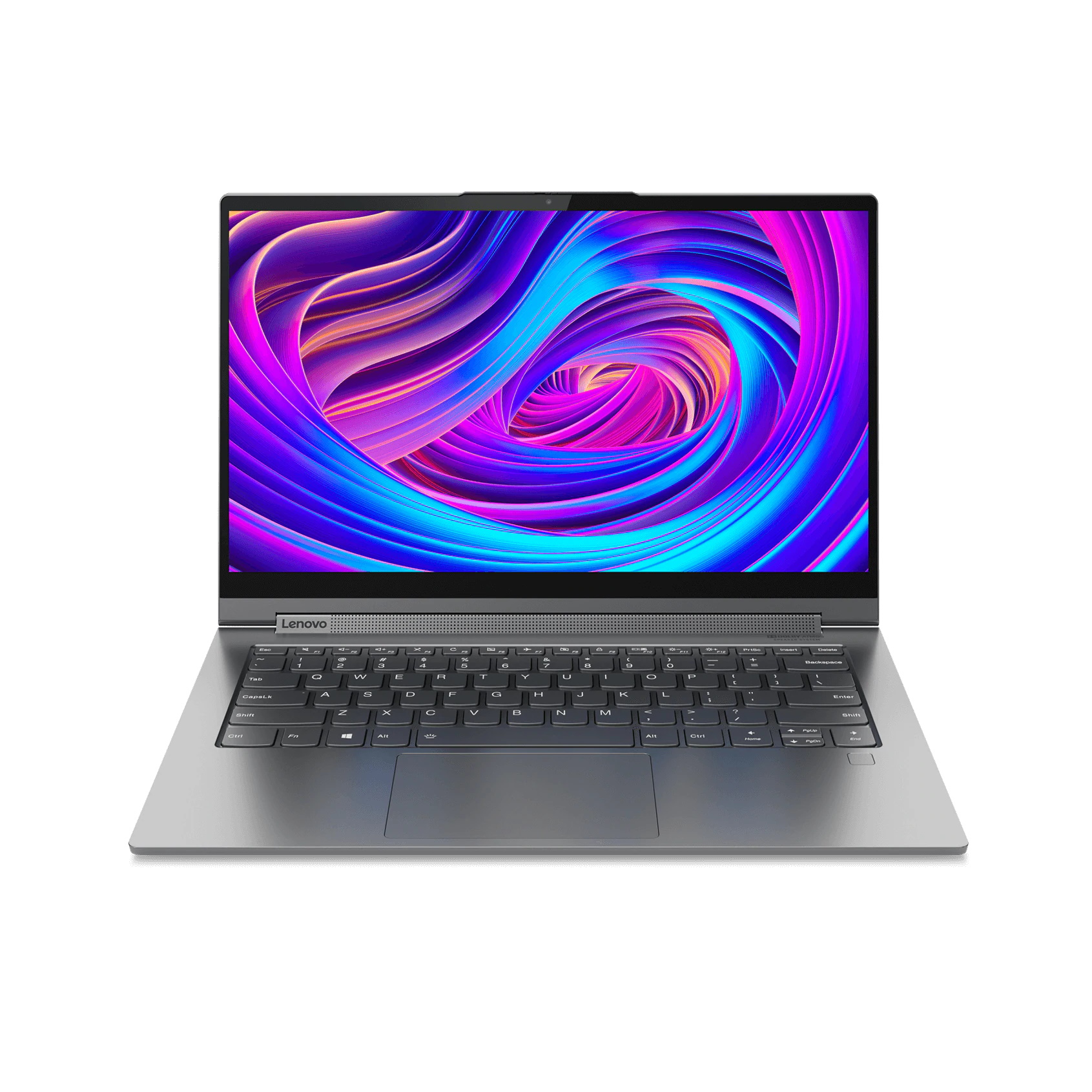
Lenovo Yoga C940 (14) | i7 / 8GB / 512GB SSD | AU$2,549.15 (RRP AU$2,999; save AU$449.85)

Our colleagues over at Laptop Mag called the C940 the best Yoga yet, and we’d have to agree. The pairing of fast performance with a premium 2-in-1 design is a winning combination in our books. This is a customisable machine, but the base model comes with a 10th-gen i7 CPU, 8GB of RAM and 512GB of SSD, but you can change the elements to suit your needs. While 15% off isn’t a huge discount, it’s a decent saving on this killer machine. Available from Lenovo.View Deal
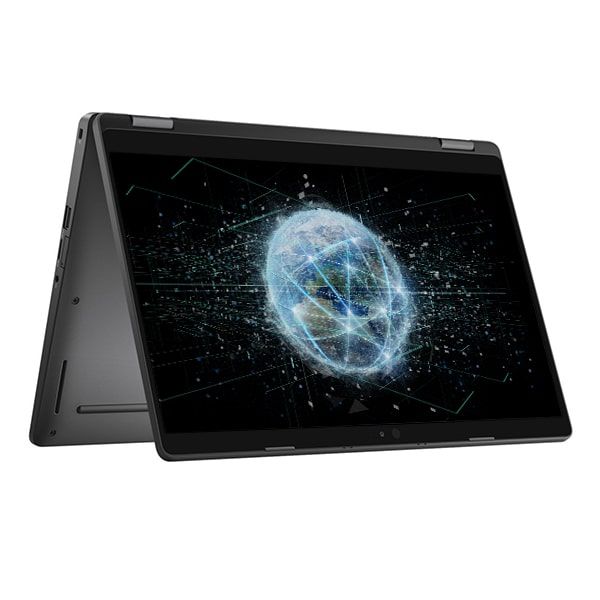
Dell Latitude 5300 | i7 / 8GB / 256GB | AU$2,297.80 (RRP AU$4,867.80; save AU$2,570)

It might have an older 8th-gen Core i7 processor under the hood but don't underestimate this 13-inch Latitude 2-in-1. With ExpressCharge support that adds 80% juice in an hour and Wi-Fi constantly running in the background, it's designed for the busy professional constantly on the move. And, to make this even better, there's 52% off the device directly from Dell.View Deal
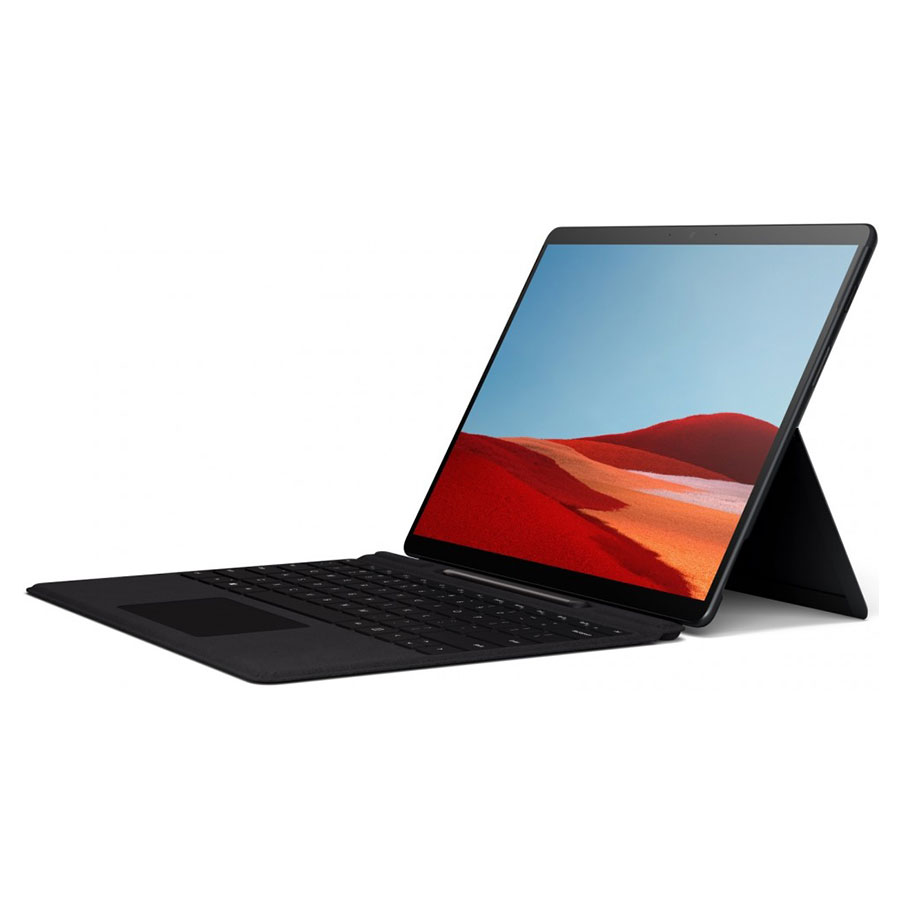
Microsoft Surface Pro X with Type Cover and Slim Pen | AU$2,199 (RRP AU$2,578.95; save AU$379.95)

While it’s technically a tablet, this can easily be converted into a 2-in-1 with the Type Cover that’s conveniently bundled into this deal. It’s also the thinnest and lightest from the Surface range to date, so is worth your consideration if you’re a frequent traveller and portability is what you’re after. It also has the neat feature of Windows Hello facial recognition – just look at the tablet’s webcam and you’ll instantly be logged on. Available from the Microsoft Store with a Type Cover and Slim Pen bundled in and a decent packet saved.View Deal

Gaming
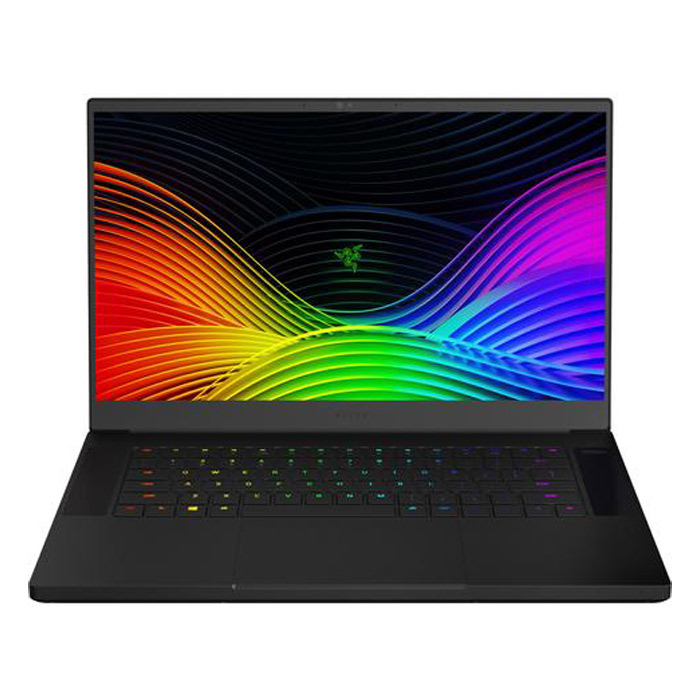
Razer Blade 15 Advanced Model | i7 / 16GB / 512GB SSD / RTX 2070 | AU$3,599 (RRP AU$4,599; save AU$1,000)

Our colleagues over at PC Gamer recommend this Razer Blade 15 as the best gaming laptop you can buy today, and you can now save a huge packet on this dream machine. It’s housing a 9th-gen Core i7 CPU, and an RTX 2070 GPU. Despite that, it’s also one of the longest-lasting premium gaming laptops we’ve got our hands on. Now steeply discounted, with AU$1,000 slashed from the RRP – this deal’s a steal.View Deal

Alienware Area-51m | i7 / 16GB / 1TB SSD / RTX 2070 | AU$4,249 (RRP AU$4,999; save AU$750)

Alienware is Dell's dedicated gaming brand, and it shows. The Area-51m is a complete beast of a laptop – in fact it's one of the best – and this model packs in a 9th-gen Intel Core i7 CPU, a beastly Nvidia GeForce RTX 2070 GPU with 8GB GDDR6 memory, 16GB of RAM and an impressive 1TB worth of SSD. This configuration fell to AU$3,994 last week, and while it's since bumped up slightly, you can still get it for 15% off. If you're interested, you can double the RAM for AU$300, or go up to a model with 32GB RAM and an RTX 2080 GPU if you're not messing around.View Deal
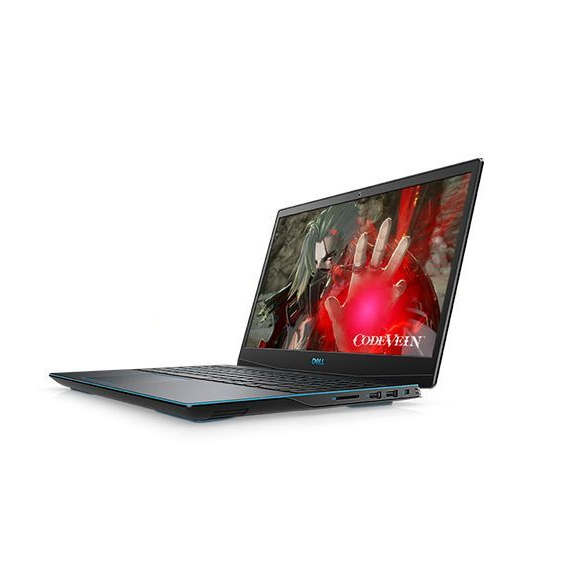
Dell G3 15 (3590) | i7 / 8GB /  512GB SSD | GTX 1660 Ti | AU$1,784 (RRP AU$2,099; save AU$315)

For gamers on a budget, or those just getting started in the world of PC gaming, here’s a strong contender. The 15-inch Dell G3 has solid performance given the price – you have a 9th-gen Core i7 processor and an Nvidia GeForce GTX 1660 Ti that will manage light gaming just fine. Plenty of storage for your budding gaming library, and the Full HD screen should go easy on the battery life too. Discount directly from Dell’s online store.View Deal
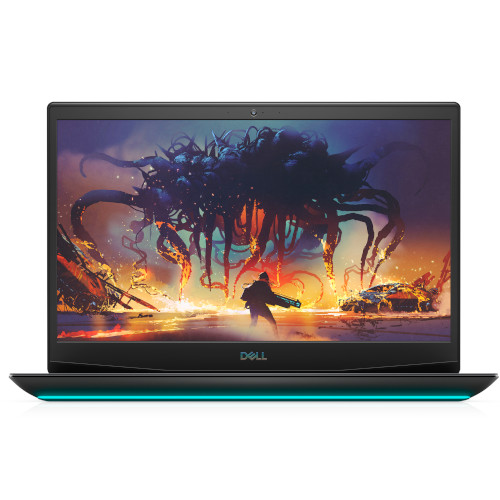
Dell G5 15 (5500) | i7 / 16GB / 512GB SSD / GTX 1660 Ti | AU$2,209 (RRP AU$2,599; save AU$390)

If the above G3 gaming laptop isn't quite going to cut it, this more recently released G5 has a 10th-gen Intel Core i7 CPU and an Nvidia GeForce GTX 1660 Ti GPU at its helm, as well as 16GB of RAM and a 512GB SSD to back it up. Available directly from Dell with AU$390 saved.View Deal

Lenovo Legion Y540 (15) | i7 / 16GB / 1TB HDD / GTX 1660 Ti | AU$1,949.25 (RRP AU$2,599; save AU$649.75)

If RGB keys are too flashy for your tastes, then consider this Legion Y540. Inside is a 9th-gen Intel Core i7 chip, matched with 16GB RAM and a 1TB HDD. An Nvidia GeForce GTX 1660 Ti handles the graphics, while Dolby Atmos sound will pull you further in when you’ve got your headphones on. The Legion Y540 has a white backlit keyboard, and a full numerical keypad. Head directly to Lenovo to get your hands on it.View Deal

  • Find great bargains and compare Australian prices on the latest tech at Getprice.

laptop deals

We'll keep on updating the list of deals as and when we find them. Below, you'll find up to date prices on TechRadar's favourite laptops, so keep an eye out for those savings.

The best deals on our favourite laptops

Over the years we've reviewed plenty of laptops, and as a result, we've seen what to avoid and what to jump on when there's savings to be had. We'll keep track of the prices of some of the best we've seen so that you can snatch up a bargain when they do show up. Check out the prices below and see if anything has dropped enough to spark your interest.
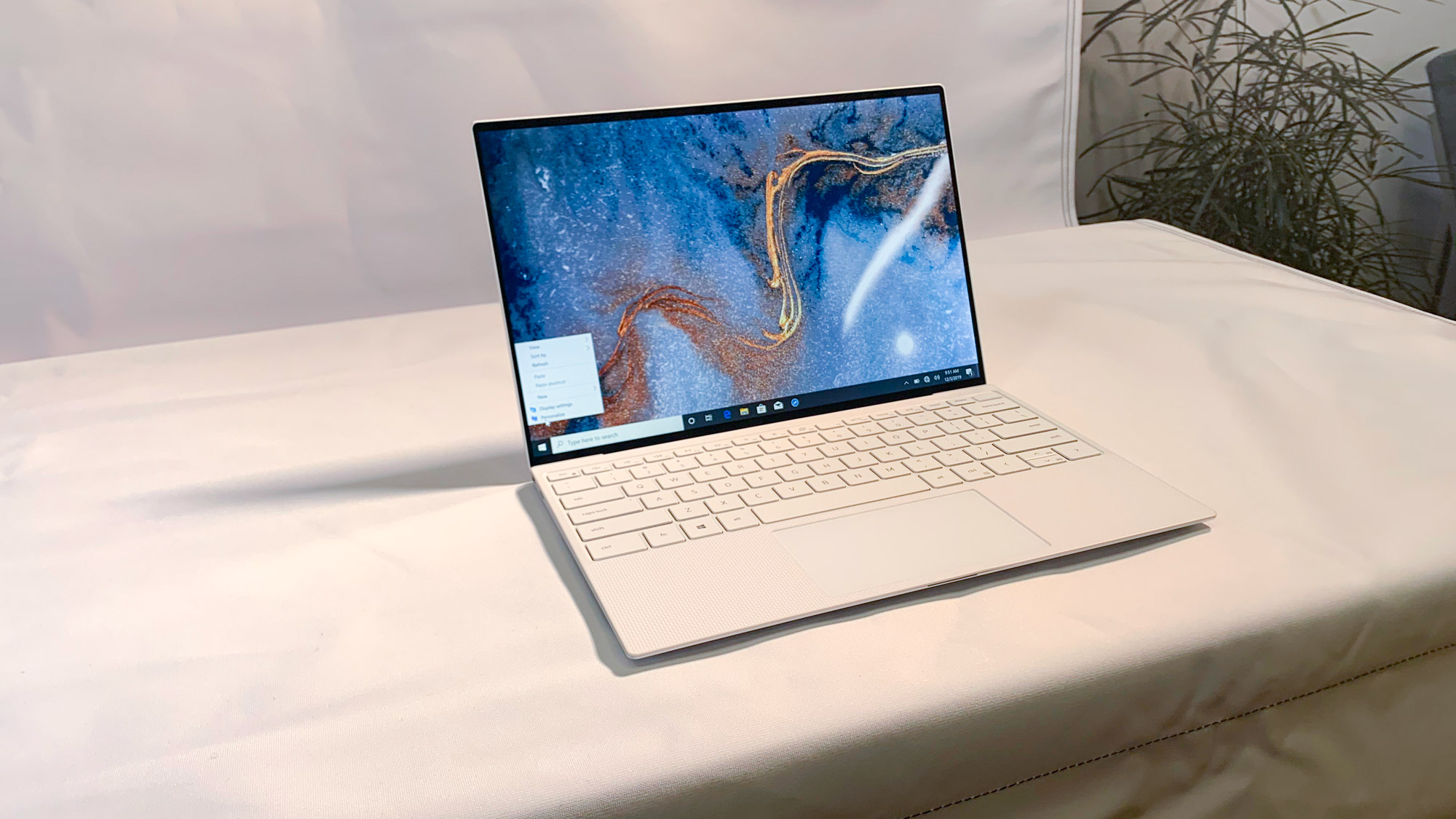
Dell XPS 13 2020

(Image credit: Future)

Our favourite overall laptop: Dell XPS 13 (2020)

Dell's latest Ultrabook is simply the best laptop in the world

CPU: 10th generation Intel Core i5 – i7 | Graphics: Intel Iris Plus | RAM: 8GB – 16GB | Screen: 13.3-inch FHD (1,920 x 1,080) – 4K (3,840 x 2,160) | Storage: 256GB – 2TB SSD

Gorgeous design
Excellent battery life
Lackluster audio
Expensive

Saying that we’re very happy with Dell’s XPS 13 is a huge understatement. At first glance, its slim profile and small frame don’t give away the powerful performance and gorgeous 13-inch display inside. Typically, you’d have to weigh up portability and performance, but the XPS 13 has managed to strike a fine balance between the two. Sporting Intel’s latest 10th-generation chips, much-improved battery life and barely-there bezels, the starting price of the newest iteration of the XPS 13 is a tempting proposition. We’re so chuffed with it that it’s still our favourite Ultrabook, and has taken the top spot as the best laptop overall.

Read the full review: Dell XPS 13 (2020)

(Image credit: Future)

Our favourite gaming laptop: Gigabyte Aero 15 OLED

The original designer's laptop gets an OLED upgrade

CPU: Intel Core i7 9750H | Graphics: Nvidia GeForce RTX 2070 (8GB GDDR6; MaxQ) | RAM: 16GB | Screen: 15.6-inch, 4K (3,840 x 2,160), 60HZ, AMOLED, Gloss | Storage: 512GB SSD

4K HDR OLED screen
RTX GPU and 9th-gen CPU
Sleek with better thermal management
Reasonably priced
Max 60HZ refresh rate
Unfortunate webcam placement

It’s true, the Aero 15 range from Gigabyte is aimed at creatives. However, it’s also an attractive option for gamers – with powerful internals, a brilliant display and a sleek chassis – so we think it’s one of the best-value gaming machines Australians can get their hands on. The 2019 model boasts a 15-inch 4K HDR screen, which is ideal whether you’re looking to buy for high-resolution on-the-go gaming or its intended creative use. Under the hood it’s also got the option of the latest Nvidia RTX series GPUs and 9th-gen Intel Core CPUs.

Read the full review: Gigabyte Aero 15 OLED
(Image credit: Future)

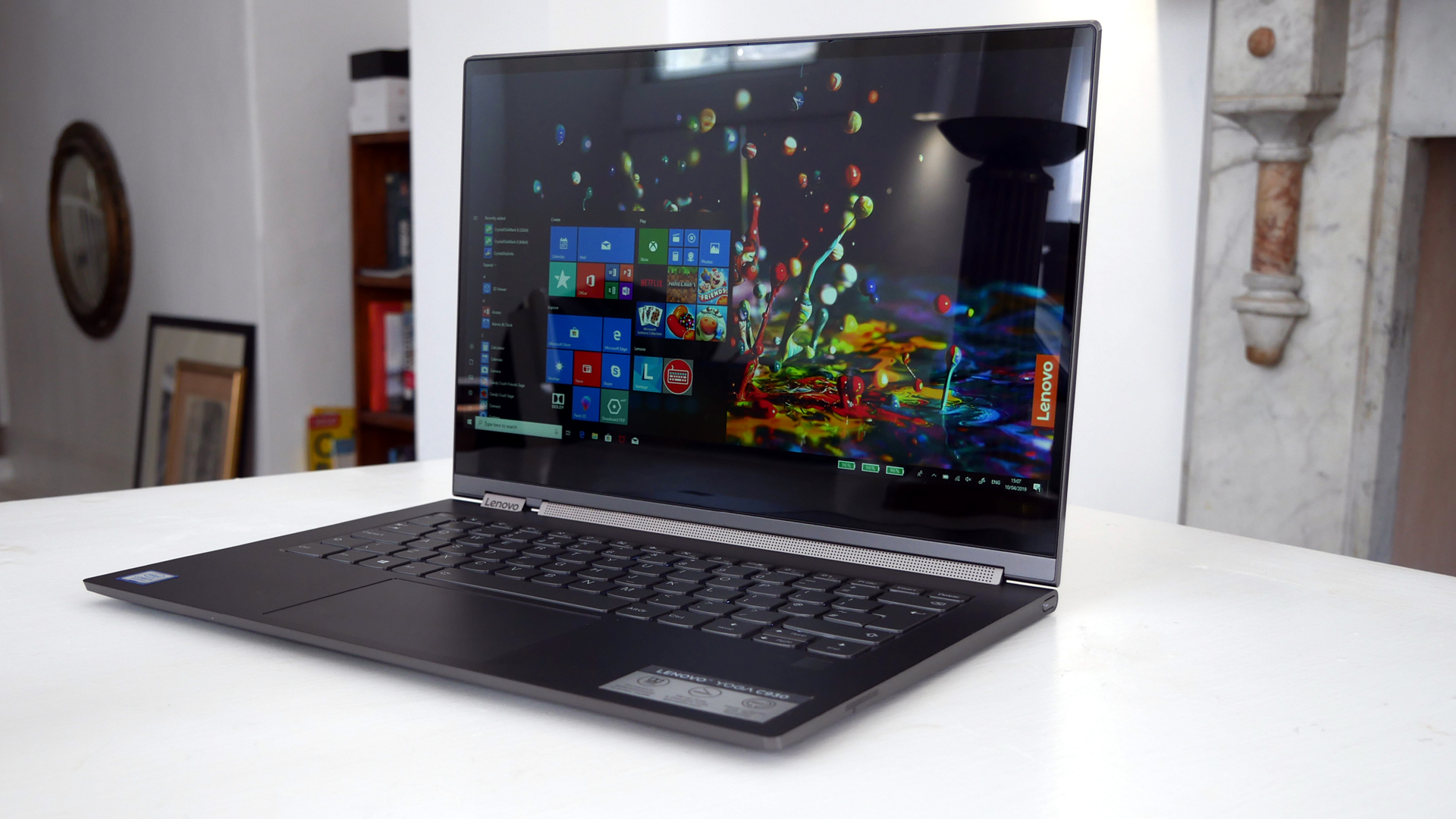
Our favourite 2-in-1: Lenovo Yoga C930

A 2-in-1 laptop experience with little to no compromise

CPU: 8th-generation Intel Core i7-8550U | Graphics: Intel UHD Graphics 620 | RAM: 16GB | Screen: 13.9” UHD (3,840 x 2,160) IPS Glossy Multi-touch with Dolby Vision | Storage: 1 TB PCIe SSD | Connectivity: 802.11 AC (2 x 2) + Bluetooth 4.1 | Camera: 720p HD Camera

Strong build quality
Robust feature set
Excellent battery life
Weak graphics performance

This premium portable 2-in-1 has a lot to love: a strong build, excellent battery life and a robust feature set. It has a 360° hinge, so can easily be converted from a conventional clamshell to a handheld tablet. There’s also the addition of Dolby Atmos speakers, cleverly built into the rotating hinge, so you’ll have superb sound whichever way you use it. The screen too is vibrant, though the graphics performance could leave some wanting. Still, with an 8th-generation chip, it’s a solid all-rounder for the 2-in-1 crowd.

Read the full review: Lenovo Yoga C930
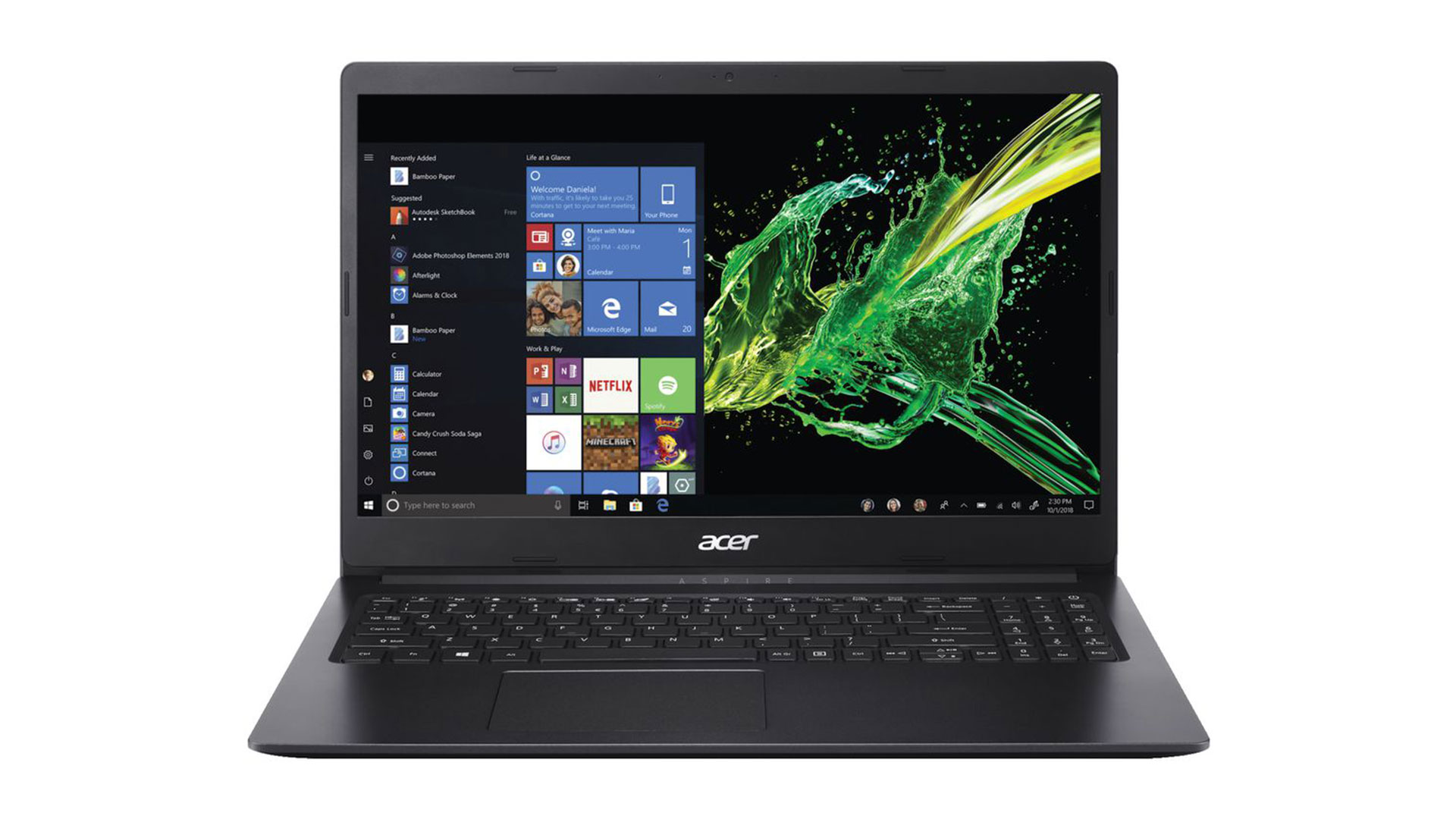
Acer Aspire 3

(Image credit: Acer)

Our favourite student laptop: Acer Aspire 3 15-inch

A Chromebook for schoolwork, and then some

CPU: 10th-generation Intel Core i3-10110U | Graphics: Intel UHD Graphics | RAM: 4GB | Screen: 15.6-inch FHD (1,920 x 1,080; non-touch) | Storage: 128GB

Great value
Lightweight
Limited to Chrome OS

If you’re looking for a student laptop, chances are you’re shopping on a budget. If that’s the case, our go-to bang-for-buck pick is the Acer Aspire 3 15-inch laptop. It’s a Chromebook, which means it runs on Google’s Chrome OS and is ideal for those with a reliable internet connection who want a laptop to browse the web and complete coursework online. The battery life isn’t the best, but if you don’t mind keeping your charging cable with you during the day, it certainly offers excellent value for money.

MacBook Pro 16-inch

(Image credit: Future)

Our favourite Apple laptop: Apple MacBook Pro (16-inch, 2019)

The best MacBook Pro ever

CPU: 9th-generation Intel Core i7 – i9 | Graphics: AMD Radeon Pro 5300M – Radeon Pro 5500M | RAM: 16GB – 64GB | Screen: 16-inch Retina display with True Tone | Storage: 512GB – 8TB SSD

Stunning 16-inch screen
New and improved keyboard
Expensive
Limited to four Thunderbolt 3 ports

If you’re firmly placed in the Apple ecosystem, or you’re a Windows user thinking about converting, then we think the 2019 version of the MacBook Pro is the best Mac you can buy. It has a generous 16-inch display, and while that may spell a bulky laptop for other brands on the market, Apple remains true to form with this svelte machine. It’s got the latest and greatest components under the hood, rounded out with high-quality speakers and a much better keyboard than older models.

Read the full review: Apple MacBook Pro (16-inch, 2019)

laptop deals

If you're after some more further info on the best laptops, check out some of our other dedicated articles:

Watch the video below for the top 7 things to consider when buying a laptop. 



from Future - All the latest news https://ift.tt/2GVP6Fw
via IFTTT

Salesforce Anywhere isn't just about collaboration, it's about helping people work better together

Michael Machado, VP of product management at Salesforce talks to Bill Detwiler about Salesforce Anywhere, a new product announced at TrailheaDX 2020 designed to help companies improve workforce collaboration.

from Cloud on TechRepublic https://ift.tt/2Vxtlp8
via IFTTT

Best VPS hosting providers of 2020

The best VPS of 2020

Standard shared web hosting packages are cheap and user-friendly, but they're also slow, inflexible, and don't have the power or functionality that professional and business users often need.

If you need more than a basic host but can't afford a dedicated server or don't want to deal with the complexity of these beasts, VPS (Virtual Private Server) hosting could be a smart choice.

Buying a VPS plan means that you get your very own virtual server environment. You have full control over the operating system, the extensions and apps you install, and all their settings. Each physical server will still host multiple VPS customers, but not as many as with shared hosting, and typically each VPS will be allocated a share of key resources – RAM, storage space, CPU cores – for their use alone.

This can be easier to manage than you might think. Many VPS plans include standard tools like cPanel to help monitor and configure your site. Some hosts will manage the service for you, monitoring for problems like a crashed service, and fixing them as soon as they're detected.

VPS prices and specs vary from a few dollars a month to hundreds, depending on your requirements. There's a lot of choice out there, but don't panic – our list of five best VPS providers will point you in the right direction.

(Image credit: Hostinger)

1. Hostinger

Flexible and affordable range of plans

Good range of plans
Good value
Shorter term considerably more expensive

Founded in 2004, Hostinger has been providing a quality hosting service for some time now and their VPS hosting is no different.

You have plenty of choices here from the low-tier plan that has 1 CPU, 1 GB RAM, 20 GB of storage and 1000 GB bandwidth to high-tier plan where you get 8 CPU, 8 GB RAM, 160 GB of storage and 8000 GB bandwidth. 

Pricing is affordable too, especially if you commit to longer terms. The 1 CPU plan starts at $3.95 per month (if you choose the 4-year billing) and renews at $8.16 per month, while the 8 CPU plan starts at $29.95 per month (if you choose the 4-year billing) and renews at $65.56 per month.

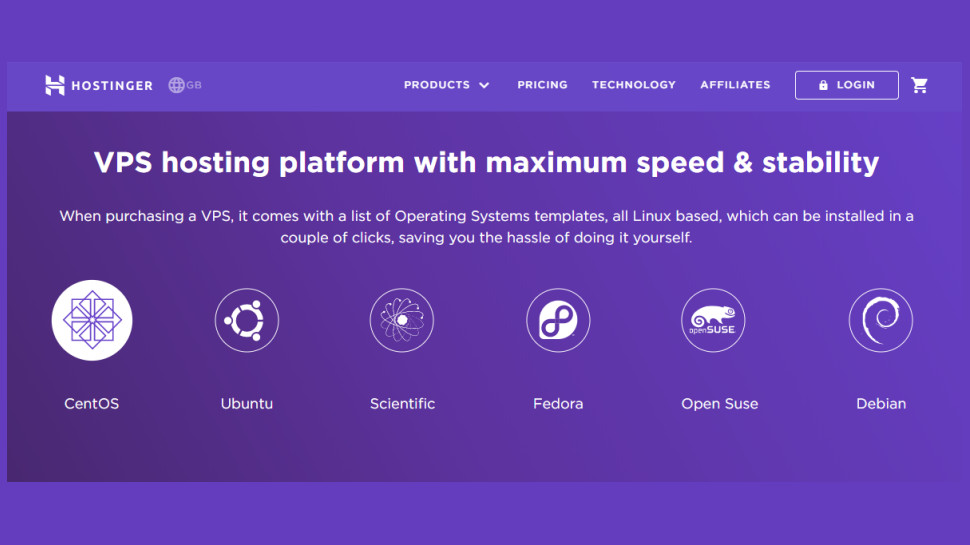
All plans have IPv6 support, a dedicated IP, 100 Mb/s Network and a few more additions. Linux users also have plenty of choices. Apart from the usual CentOS, Ubuntu, Fedora and Debian, you can also choose Suse. Windows VPS hosting is available as well, with the plans being more pricier but also more powerful.

If you encounter any problems, there’s a 24/7 live chat service to help you. Hostinger delivers a capable VPS hosting with a very tempting first term price, and with all plans being fully refundable, everyone can try out the service.

(Image credit: Bluehost)

2. Bluehost

A nice choice for all users.

Powerful and capable service
Great support
Extras will cost you

Bluehost has been around for quite some time and always offered powerful plans for a variety of users, and their VPS range is no different. 

You have three plans to choose from, with the cheapest plan starting at $17.99 per month for the first term and $29.99 per month on renewal. That gets you 2 CPU cores (2x Xeon Gold 5220), 30GB SSD  storage, 2 GB RAM, 1 TB bandwidth and one IP address. The top-tier plan called Ultimate, gives you 4 CPU cores (2x Xeon Gold 5222), 120GB SSD storage, 8 GB RAM, 3 TB bandwidth and two IP addresses, and it’s priced at $57.99 per month for the first term and $119.99 per month on renewal.

All plans come with a free SSL certificate and a 1-year domain. You also get unlimited subdomains and email accounts, and cPanel is included too. Domain privacy and protection, and SiteLock are categorized as optional add-ons, so you’ll have to pay extra if you need them.

Support is available 24/7 so if you encounter any difficulties you’ll be able to call them at any time of the day. All in all, Bluehost is a capable provider for both newbies and experienced users so they are definitely worth a try.

InMotion
is one of the more popular web hosting providers out there and it is no surprise that they're secured a spot here

3. InMotion Hosting

VPS poetry? InMotion is certainly a strong provider…

Well-specified plans
Some really smart features
Not cheap

Check out a few VPS hosting providers and it's easy to be tempted with low headline rates, but don't be fooled – companies use a range of tricks to keep their charges down.

The hardware specs of a starter product are often kept unrealistically low, for instance, to keep the price right down. Important items – backups, cPanel – may be expensive extras. And even then, the headline rate may only apply if you pay for two or three years upfront, increasing dramatically on renewal.

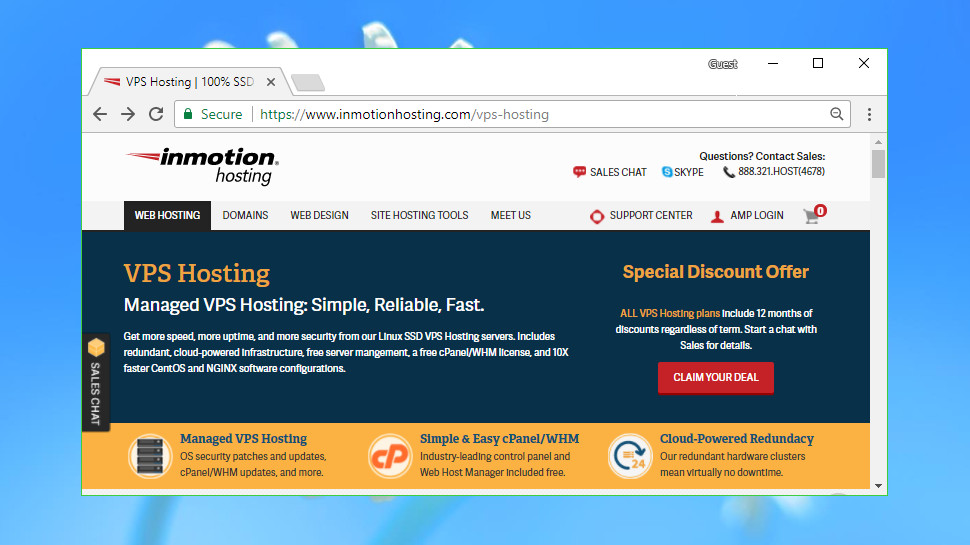
InMotion Hosting is refreshingly different. Its baseline VPS-1000HA-S plan doesn't have the most eye-catching price at $24.99 per month over two years, but it's easy to see why the company asks this much. The product has a better specification – 4GB RAM, 75GB storage, 4TB bandwidth, 3 dedicated IPs – than some high-end plans from other providers, backups and a cPanel licence are included for free, and there's a 90-day money-back guarantee.

There's an unusual feature in what InMotion calls "unlocked CPU cores". Rather than having access to one or two cores only, you're able to spread your processing load across all cores on the server, a major performance boost for tasks involving a lot of simultaneous processing.

Welcome bonus touches include a feature called Launch Assist, which essentially means you get two hours of free time with one of InMotion's server administrators. Whether you need to change domain settings, configure cPanel, migrate WordPress or database files, they can help you get the job done.

Put it all together and you're getting a very capable set of VPS hosting plans. If you'd prefer a package that comes with unexpected surprises, rather than hidden catches, we'd give InMotion a try.

4. Hostwinds

Need lots of choice? Then look no further

Wide range of plans
Impressive configuration options
Entry-level plan is a bit underpowered

Some VPS hosts focus on first-time users, others go for big business, but Hostwinds does its best to appeal to everyone with no less than 10 different VPS hosting plans.

The low-end Tier One plan looks a little underpowered to us, with just 1GB RAM, one CPU core, 30GB of disk space and 1TB traffic. But it's cheap at $4.49 per month, and you can extend it significantly without spending a huge amount (adding basic server monitoring and cloud backups costs an extra $6 a month for both).

The more realistic Tier Four includes 6GB RAM, 100GB drive space, two CPU cores and 2TB of traffic. It's also significantly more expensive at $26.09 a month, but still competitive with other providers.

Meanwhile the top-of-the-range Tier Ten product gets you 96GB RAM, 16 CPU cores, 750GB storage and 9TB of traffic for an initial $296.09 a month. You probably don't need anything like that, but this does show there's plenty of scope for upgrading your site over time.

Every plan has some appealing configuration options. In particular, along with support for the usual Linux variants – CentOS, Ubuntu, Fedora, Debian – you can choose Windows Server 2008, 2012 or 2016 for only a $5 a month premium. That's very good value, and if you're more familiar with Windows than Linux, it could save you from lots of management hassles later on.

5. Liquid Web

An outfit that focuses on quality, albeit at a cost

Top-notch configuration options
Quality service and support
On the expensive side

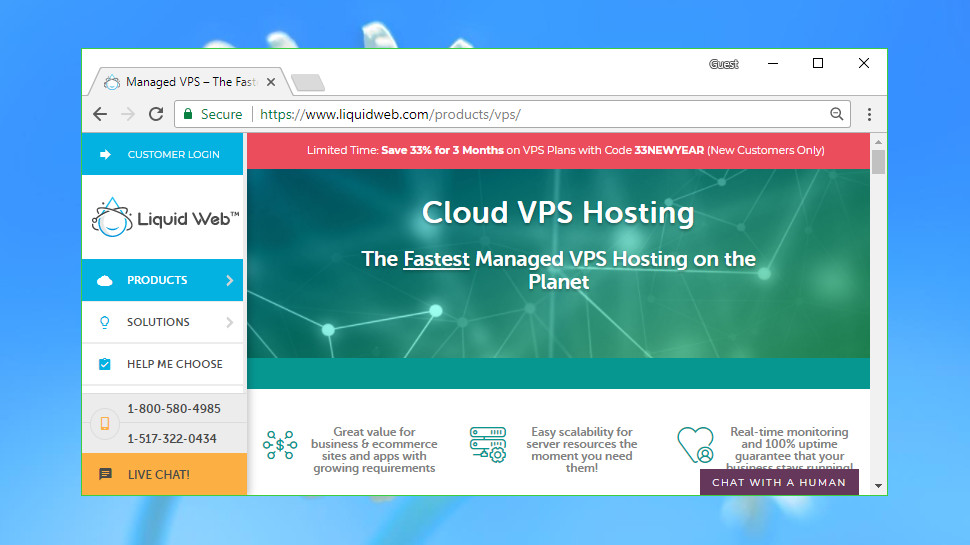
Liquid Web is a premium web hosting provider which has been offering top quality managed solutions for more than 20 years, and now handles 500,000 sites for more than 32,000 customers worldwide.

The company doesn't try to beat the competition on price, instead focusing on delivering comprehensive products which will deliver quality results.

The cheapest Liquid Web plan may cost $59 a month (you can reduce that to $39 a month by going annual), for instance, but that gets you 2GB RAM, 40GB storage, a very generous 10TB of bandwidth, and 100GB backup.

There are lots of configuration options. Instead of just telling you that you're getting CentOS 7, Liquid Web allows you to select CentOS 6, Debian 8, Ubuntu 14.04 or 16.04, and often with multiple options of their own: cPanel, Plesk, CloudLinux and more.

This is a managed product, too. Liquid Web fully supports the base operating system, and the support team will proactively restore failed services as soon as they're detected. Getting a managed VPS with other providers could cost you an extra $30 a month, or more.

If your VPS still has issues, there's speedy 24x7x365 support from knowledgeable professionals who will do their best to solve your problems at speed.

Liquid Web may not have the most appealing headline prices, but it's still cheaper than many others considering the features you get, and the excellent support will help keep your site running smoothly down the line.

You might also want to check out our other website hosting buying guides:


June 30, 2020 at 07:10PM from Future - All the latest news https://ift.tt/3eMt09z
via IFTTT

ISPs will reinstate data caps in the US, despite continued lockdown

ISPs in the US are planning to reinstate broadband data caps after lifting them back in March for customers working from home during the pandemic.

The news comes at a time when the coronavirus continues to spread across the country and many employees are still working remotely to avoid potentially contracting the virus. 

Back in March, the FCC launched an initiative called the Keep Americans Connected Pledge which urged broadband providers to take necessary steps to help keep the country connected during the pandemic. These steps included not terminating customers' broadband service even when they were unable to pay, waiving late fees and opening up Wi-Fi hotspots.

While AT&T was the first major ISP to lift home broadband data caps, other companies including T-Mobile and Comcast quickly followed suit and almost 800 service providers joined the FCC's initiative.

Reinstating data caps

The reason that many ISPs are planning to reinstate data caps is due to the fact that they can, since the Keep Americans Connected Pledge will expire at the end of June. 

In a letter to the US Senate's Committee on Commerce, Science, and Transportation, FCC chairman Ajit Pai explained that he has called on broadband and telephone providers to continue to uphold some parts of the pledge even as it's set to expire, saying:

“As we transition out of the Pledge, I have called on broadband and telephone service providers to take steps to help ensure that American consumers and small businesses remain connected over the coming months. Specifically, I have asked these providers not to disconnect in July consumers and small businesses who have fallen behind on their bills as a result of the COVID-19 pandemic. Instead, I have urged them to place such consumers into payment plans and deferred payment arrangements to ensure that these consumers have a chance to catch up. I have also asked them to maintain and expand their plans for low-income families and veterans as well as their remote learning plans for students.” 

The pandemic showed us once and for all that data caps aren't really necessary but unfortunately it looks like we will all have to deal with them again soon.

Via Motherboard


June 30, 2020 at 06:51PM from Future - All the latest news https://ift.tt/2Bi6s2e
via IFTTT

Facebook: Insurance firm Avivia latest to join ad boycott

The insurance firm said it was reassessing its future brand presence on the social network.

source https://www.bbc.co.uk/news/technology-53235302

How COVID-19 may make glitzy tech hubs obsolete within five years

Long-term changes are coming for tech company offices as businesses pivot to deal with the still-spreading coronavirus.

from Cloud on TechRepublic https://ift.tt/3eTogzi
via IFTTT

IT help desk makeover: Key steps to improve customer satisfaction

The more effort and energy technical staff invest upfront properly structuring and updating tickets, the more exponential the rewards later.

from Hardware on TechRepublic https://ift.tt/2ZpuNes
via IFTTT

Huawei: Ministers signal switch in policy over 5G policy

Digital secretary says US sanctions are "likely to have an impact on the viability" of using firm's kit.

source https://www.bbc.co.uk/news/technology-53239789

Google stops storing photos from WhatsApp and Instagram

The Google Photos app will no longer automatically store images and videos from social media apps.

source https://www.bbc.co.uk/news/technology-53239386

AWS Imagine Grants offer up to $100,000 in cloud services to non-profits

The company wants to support organizations that prioritize technology as a mission-critical component of their work.

from Cloud on TechRepublic https://ift.tt/31wfKSI
via IFTTT

Cloud services and remote healthcare create new exploitable attack surfaces

The Covid-19 pandemic has increased the adoption of cloud services across all industries, especially for healthcare providers, as they leverage remote access and cloud analytics to scale operations.

While cloud computing better optimised the use of resources in healthcare, it also created significant risks.

When examining the cybersecurity statistics for the healthcare sector, Matt Walmsley, EMEA Director for Vectra, said there is an increase in two trends during the first five months of the year (January-May).

The first, he said is the upward trend of command-and-control behaviours, which indicate remote access to internal systems.

Vectra has seen a 38% increase in command-and-control behaviours from January-May 2020.

The second, he said is the doubling of data exfiltration behaviours, which indicates that data is leaving internal healthcare networks to external destinations like cloud services.

“This increase in remote access and data transmitted to external destinations aligns with the rapid adoption of cloud services in healthcare during the Covid-19 pandemic. Cloud adoption happened faster than proper due diligence can be applied by information security personnel and with proper security visibility and data governance,” he said.

Moreover, he said that the healthcare sector suffered the most due to sudden and rapid shift to the cloud to support overwhelmed infrastructure and increased collaboration using the same strapped IT and security resources.

Matt Walmsley, EMEA Director for Vectra

"Cloud adoption happened faster than proper due diligence can be applied by information security personnel and with proper security visibility and data governance," Matt Walmsley, EMEA Director for Vectra, said. (Image credit: Vectra)

Need of the hour is NDR platform

David Willis, head of cyber, governance and assurance at the Greater Manchester Health and Social Care Partnership, National Health Service, in the UK, has observed sudden growth in data movement outside of their organisation’s traditional boundaries.

 “That growth is most likely due to how the NHS has traditionally worked in siloed data centres behind a firewall and has now shifted to the Covid-19 world of cloud-based collaboration,” he said.

World Health Organisation (WHO) had said that they have seen a five-fold increase in phishing and ransomware attacks over the same period.

In March and April, security researchers, the US Department of Homeland Security, and other federal agencies warned that attackers were taking advantage of the increase in remote workers and the COVID-19 crisis.

These warnings ranged from launching ransomware, hijacking videoconferencing, targeting virtual private networks (VPNs), and ramping up business e-mail compromise schemes and fraud attempts.

Breaking down the healthcare threat data by geography, Vectra study showed that Europe, the Middle East and Africa (EMEA), as well as North America, experienced an increase in the volume of external data movement.

EMEA doubled the amount of data moving to external destinations over the five months from January-May 2020. In North America, healthcare providers experienced an initial spike in external data movement activity that settled down over time.

The bigger concern, Walmsley said is the increase in data that leaves the internal infrastructure to external destinations not seen before and this is likely due to the result of large volumes of health-related data rapidly propagating within cloud services.

“The problem of data going to new and unmanaged cloud services compounds the existing issue of unmanaged medical devices that are already widespread in healthcare,” he said.

The need of the hour, he said is that security teams must now urgently grapple with where healthcare data resides and how to safeguard it.

“To do so require pan-organisational cooperation among IT and security teams as well as network visibility that integrates the cloud and the on-premises infrastructure to enable truly comprehensive threat detection and response capability,” he said.

However, he said that security organisations in healthcare will likely struggle with managing the need for availability of patient information with the policy and controls required for securing and protecting that data in the cloud.

The best option, he said is to have a network detection and response (NDR) platform to detect and respond to attacks that have circumvented or defeated defensive controls and gained an operating capability inside an organisation’s infrastructure.

While the pandemic will likely dissipate, he said that the long-term impact for healthcare providers is likely to be profound – leaving business leaders and security professionals tasked with protecting an attack surface that to date has been uncharted.


from Future - All the latest news https://ift.tt/2BPBdeE
via IFTTT https://ift.tt/3igNjhB

Rental e-scooters to be made legal on UK roads from Saturday

The government is set to say hired, but not private, e-scooters will be allowed on roads from Saturday.

source https://www.bbc.co.uk/news/uk-53219331

Dr Disrespect: The mystery surrounding his Twitch ban

He signed an exclusive streaming deal with Twitch earlier this year. So what happened?

source https://www.bbc.co.uk/news/newsbeat-53225035

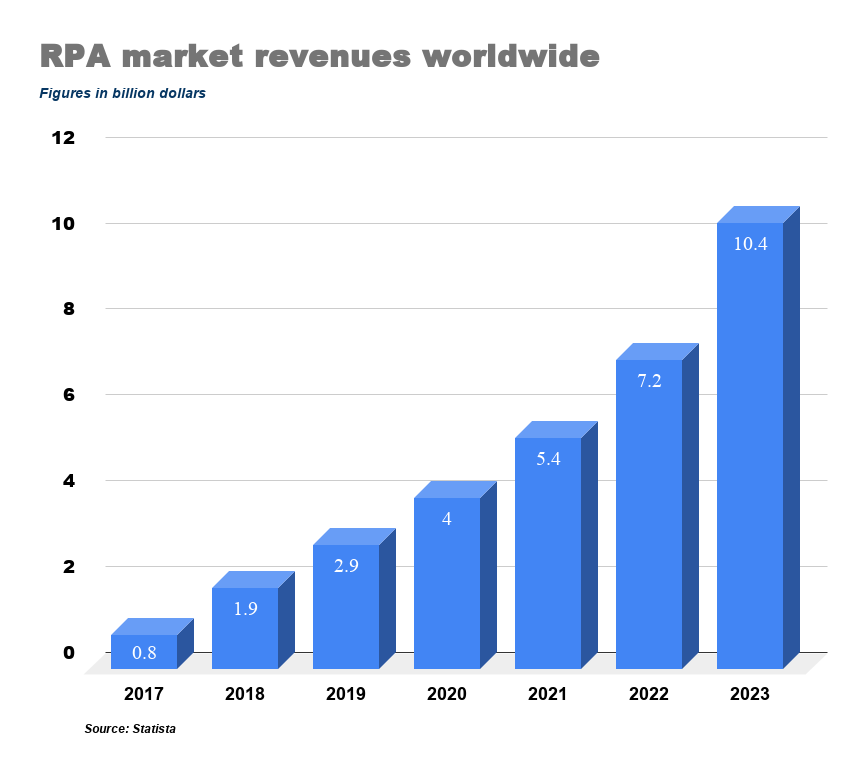
Adoption of software robots by enterprises gains traction to keep business continuity

The role of technology and its integration within the organisations are evolving at a faster pace and entities are deploying software robots or bots to do the business processes much faster in a bid to keep business continuity due to Covid-19.

Robotic Process Automation (RPA), the use of software with artificial intelligence (AI) tools to automate high-volume and repetitive manual tasks in the enterprise sector that previously required human input, is one of the biggest disruptions happening at the workplace.

Milan Sheth, Executive Vice-President for India, Middle East and Africa at Silicon Valley-based Automation Anywhere, told TechRadar Middle East, that there are three sectors in the Middle East where there is a tremendous uptake - government-owned enterprises, financial services, energy and utility sectors but healthcare and life sciences are seeing an increase due to Covid-19.

However, retail and travel-related businesses have slowed down due to the pandemic.

Automation Anywhere is one of the three biggest RPA companies in the world, alongside UiPath and Blue Prism.

RPA helps enterprises raise their productivity, compliance and process efficiency levels; Sheth said and added that Automation Anywhere will be the largest digital employer in the world [with 3m bots] by the middle of next year from the current 2.1m.

“We have built products to automate the workforce for a modern enterprise. Between the UAE and Saudi Arabia, there will be more and more demand for expanding the digital workforce. It will create more jobs locally and instead of offshoring, you are bringing it back using technology and deliver productivity,” he said.

Milan Sheth, Executive Vice-President for India, Middle East and Africa at Automation Anywhere

“Now, digital transformation is a CEO agenda and it is no longer a CIO agenda. The best businesses that had a digital way of operating had continued their operations even in bad times. Everybody has realised that it is not just needed for business continuity but also to create a better customer experience,” Milan Sheth, Executive Vice-President for India, Middle East and Africa at  Automation Anywhere, said. (Image credit: Automation Anywhere)

MEA spending to increase four-fold 

Manish Ranjan, Program Manager for Software and Cloud at IDC, said, that spending on RPA solutions in the Middle East and Africa region will represent an almost four-fold increase and a strong annual growth rate of 33% for a five year forecast period of 2019 to 2024.

He added that spending on RPA in the UAE is expected to grow 44.8% year on year in 2020 to reach over $11 million.

According to a latest IDC CIO survey, about 36% of CIOs said they are going to spend more on RPA in 2020 compared to their pre-Covid-19 plans.

During the current pandemic, Ranjan said that one of the key business priorities for both public and private sector is to ensure business continuity by providing better services, improved customer experience, enhanced collaboration across departments and improved business process automation. RPA can contribute to each of these priorities, by enhancing efficiency and agility across the organisation, he said.

According to a survey conducted by Automation Anywhere in over 20 countries across India, the Middle East and emerging markets in Africa, 80% of business owners plan to invest in digital technologies to build resiliency in their future business plans while 70% of executives expect 50% of their current work to move digital as a response to the current situation and more than 50% expect to invest in intelligent automation in this financial year to power their digital transformation mandate.

Intelligent Process Automation or intelligent automation is an upgrade of RPA and provides not only a rule-based but also judgement-based automation which is based on artificial intelligence (AI) and machine learning (ML).

RPA is rule-based task automation where the rules are defined by the user and can read structured data very well and brings speed while cognitive brings the ability to read unstructured data.

(Image credit: Future)

Big jump in digital transformation

Manish Ranjan, Program Manager for Software and Cloud at research firm IDC Middle East, Turkey and Africa(

Manish Ranjan, Program Manager for Software and Cloud at research firm IDC, said that as deployments of AI and cognitive solutions based on machine learning increase, demand for intelligent solutions capable of self-learning and self-healing will rise from organisations looking to enable true digital transformation. (Image credit: IDC)

“Now, digital transformation is a CEO agenda and it is no longer a CIO agenda. The best businesses that had a digital way of operating had continued their operations even in bad times. Everybody has realised that it is not just needed for business continuity but also to create a better customer experience,” Sheth said.

Ranjan said that as deployments of AI and cognitive solutions based on machine learning increase, demand for intelligent solutions capable of self-learning and self-healing will rise from organisations looking to enable true digital transformation.

There is increasing adoption of RPA globally, he said and added that the Middle East and Africa (MEA) region is no different.

“Process-intensive departments such as finance and accounting, customer support, quality and process improvement, HR, and sales are the key business functions where RPA can be most effective. For the government sector, RPA is of paramount importance for customer/citizen care, and quality and process improvement,” he said.

Similarly, within healthcare, he said that RPA is being used to manage the influx of patient appointments, managing healthcare workflow and healthcare cycle, streamlining claim processes, speeding up the processing of various information and data entry etc.

The only thing that is unique in the Gulf Cooperation Council (GCC) countries when compared to other regions, Sheth said is that governments are extremely citizen-oriented, particularly the UAE and Saudi Arabia. So, a lot of “citizen services” will also get digitalised.

“We have seen a big jump in digital transformation and with that, RPA and cognitive is going to take off in a big way. Cognitive automation is to handle unstructured data such as those residing in papers, emails and PDFs. Because people are not physically present in the office, digital documents are validated straight away on to the system. This has caught on in the Middle East,” he said.

Building digital workers

Because of Covid-19, Sheth said that RPA is seen not as a replacement of human workers but as resiliency and most of the big banks’ operations did not suffer during the pandemic because they had bots as backups.

Moreover, he said that RPA will evolve and intelligent process automation will eventually lead to digital workers.

By 2023 or 2024, Sheth said that they will be building digital workers doing end-to-end work for a company or a function and that is the end goal.

The ability to integrate legacy systems is the key driver for RPA projects and the biggest adopters are banks, insurance companies, telcos, utility and energy companies.

However, Sheth said that they deliberately avoided working with telcos because it does not serve its strategy.

“When you are tying up with someone, it should solve a problem.  The problem in the Middle East today is to solve unstructured data as there are documents in multiple languages and that problem cannot be fixed in the cloud. The problems on the ground have to be solved first and once it is fully automated, then it can be put on to the cloud and that is where telco partnerships will come into play,” he said.

Automation Anywhere has tied up with AWS data centre in Bahrain, so that businesses can run bots from the cloud rather than from on-premise.

Globally, it has tied up with AWS and Microsoft for data hosting.

Compared to other parts of the world, Sheth said that the Middle East is very transaction oriented, such as trading transactions and consumer transactions.

“It is a consumer industry rather than a B2B industry. Financial services, retail, travel and hospitality have a high number of transactions, high number of consumer touchpoints and we are now focusing on that,” he said.

The Softbank-backed firm opened its regional headquarters in Dubai last year has plans to open offices in Abu Dhabi and Riyadh but Sheth said that Covid-19 has changed the timelines.

“Whenever an economic activity is back to normal, we will open offices,” he said.

Globally, they have more than 4,000 business groups as clients and 1,900 partners.

In the GCC, excluding Qatar, Automation Anywhere has close to 200 business groups as clients and out of that, more than 100 are from the UAE.

By 2021, Sheth expects to have 300 business groups, with 40% clients each from Saudi Arabia and the UAE and the rest 20% from other GCC countries.

Saudi Arabia and the UAE are the biggest markets for the company.


from Future - All the latest news https://ift.tt/2ZiijVQ
via IFTTT https://ift.tt/3idgt13

New DIFC Law expected to bring enhanced governance and transparency obligations

The new Dubai International Financial Centre (DIFC) Data Protection Law (DPL) 2020 law, coming into effect from July 1, is expected to bring enhanced governance and transparency obligations.

Even though the law comes into force from July, businesses to which the law applies will have a grace period of three months, until October 1, 2020, giving organisations just a few months to make necessary changes required to bring compliance frameworks into line with the new law.

The new Data Protection Law replaces Data Protection Law DIFC Law No 1 of 2007, which was already one of the most advanced in the region, places Dubai and DIFC at the forefront of data protection in the region and enabling the financial hub to enhance the Centre’s data protection practices related to global data, security and privacy best practice.

It is now more important than ever for companies to have a data management strategy to ensure data compliance is taking place within an organisation – both from an operational and cultural perspective.

By encouraging data responsibility and implementing the latest data management tools, businesses can do their bit in preparing themselves for DPL 2020.

The new DPL 2020 law will actively benefit companies in a range of ways. Not only will it manage data effectively and ensure data compliance, but it will also increase companywide efficiency; provide a competitive advantage and protection against malware attacks.

The new DIFC Law reflects many of the requirements of the EU’s General Data Protection Regulation (GDPR) seen by many as the 'gold standard' for data protection compliance.

“From our previous experience in preparing for the GDPR coming into force, we recommend that organisations should start planning now. In particular, organisations should prioritise fact gathering and other time-intensive tasks such as contract remediation,” Kellie Blyth, head of Data and Technology at Baker McKenzie, said.

However, she said that there are some key differences between the GDPR and new DIFC Law, which organisations should be aware of.

“The new DIFC Law requires Controllers and Processors to appoint a DPO [data protection officer] if they carry out high-risk processing activities on a systematic or regular basis or if required to do so by the Commissioner.

“If a Controller or Processor is not required to appoint a DPO, the organisation must allocate responsibility within its organisation for oversight and compliance with its data protection obligations under the new DIFC Law (or any other applicable data protection law),” she said.

Time to act

The DPO must reside in the UAE, Blyth said unless the DPO is employed within the organisation’s group and performs a similar function for the group on an international basis.

Blyth urged organisations in the DIFC to move swiftly to review their current data processing practices and to identify where their existing data protection policies and procedures will need to be updated to reflect the requirements of the new law.

 “An important difference between the new DIFC Law and the GDPR is that DPOs are required to conduct an annual assessment which reports on the Controller’s processing activities and whether it intends to perform any “high-risk processing activities” in the following year,” Benjamin Slinn, Senior Associate for Data and Technology at Baker McKenzie, said.

He said that breaches of the GDPR can give rise to significant administrative fines of up to €10m or €20m or 2% or 4% of an organisations' total annual worldwide turnover for the preceding financial year, depending on the provision of the law that has been breached.

By contrast, he said the new DIFC Law does not stipulate a maximum cap on fines and gives the Commissioner discretion to impose a general fine in an amount the Commissioner considers appropriate and proportionate taking into account the seriousness of the breach and risk of actual harm to data subjects.

“The Commissioner can also impose administrate fines concerning contraventions of particular obligations under the new law which are set out in Schedule 2 and can range from $20,000 to $100,000,” he said.

Key differences between GDPR and DIFC Law

1. To whom does the new DIFC Law apply 

The new DIFC Law applies to the processing of Personal Data by Controllers or Processors incorporated in the DIFC, regardless of whether the processing takes place in the DIFC; and Controllers or Processors, that process Personal Data in the DIFC (i.e. where the means or personnel used to conduct the Processing are physically located in the DIFC) as a part of stable arrangements (other than on an occasional basis), regardless of their place of incorporation.

Therefore, although, the New DIFC Law does not have an extraterritorial scope in the same way as the GDPR, it will capture Personal Data processing activities that take place outside of the DIFC, which are conducted by a company incorporated in the DIFC as well as Personal Data processing operations carried out by non-DIFC organisations using people or systems in the DIFC.

2. Data protection principles

As with the GDPR, the new DIFC Law sets out a series of data protection principles that organisations must comply with, which include (amongst others) familiar concepts such as lawfulness, fairness and transparency and privacy by design and default.

The new DIFC Law imposes an express obligation on Controllers and Processors to establish a compliance program to demonstrate compliance with the new law. The complexity and level of detail in the program will depend in part on the scale and resources of the organisation in question as well as the risks the processing poses to data subjects. However, the program must demonstrate that the New DIFC Law's core principles are embedded within the organisation.

3. Data protection impact assessments

Similar to the GDPR, the DIFC Law requires a data protection impact assessment (or DPIA) to be conducted in certain circumstances, specifically where the organisation is conducting “high-risk processing activities”. The threshold that triggers this requirement under the new law, as well as the required content of the DPIA, is similar to the requirements under the GDPR but is not identical.

Organisations will need to create (or review and update) a DPIA template and procedure to ensure DPIAs are conducted where necessary, and consult with the DIFC Data Protection Commissioner where required by the new law.

4. Breach notification obligations

Similar to the GDPR, the DIFC Law requires Controllers to notify the Commissioner about Personal Data breaches, although the threshold under the New DIFC Law for when a notification is required is not identical to the GDPR requirement. Besides, the DIFC Law only requires notification to the Commissioner “as soon as practicable in the circumstances”, and does not impose a 72-hour time limit as is the case under the GDPR. Notably, there is also a requirement to notify breaches to data subjects in certain circumstances.

5. Record of processing

Similar to the requirement under Article of 30 of the GDPR, organisations will need to understand what Personal Data they hold, why they are using it, as well as other key information required to be documented within a record of processing. This is likely to be one of the most time-consuming tasks for organisations to complete and it should be prioritised. Organisations are required to review and maintain this record of processing on an ongoing basis.

6. Fair processing notices

Controllers are required to provide data subjects with fair processing notices. Although the content of such notices will be similar to those required to be provided under the GDPR, they will need to be tailored for compliance with the DIFC Law, in particular, to reflect one of the revised legal bases for processing. We note however that the legal bases set out in the new law offer an additional degree of flexibility when compared with those included in the GDPR.

If a Controller intends to process Personal Data in a way which will restrict or prevent the data subject from exercising their rights to rectification, erasure or objection to processing, the Controller is required to provide a clear and explicit explanation of the anticipated impact to the data subject and must be satisfied that the data subject understands the extent of such restrictions. This is a key difference compared to the GDPR.

7. Data subject rights

Data subjects have similar rights under the New DIFC Law to those set out in the GDPR, including the right to withdraw consent, access their data or seek rectification or erasure of their data (amongst various others). However, organisations have additional flexibility compared to the GDPR about certain data subject rights such as the right to object to processing, automated individual decision making and data rectification or erasure. Importantly, under the new law, a Controller is prohibited from discriminating against a data subject for exercising their statutory rights.

Organisations will need to ensure that they have a policy and procedure in place to respond to and appropriately handle data subject requests within the periods stipulated. If organisations wish to leverage existing GDPR data subject rights policies, these will need to be reviewed and updated to reflect the nuances and differences between the GDPR and new law.

Organisations processing Personal Data will need to ensure they have a valid legal basis under the new law for each processing operation they conduct, including for special categories of personal data. This assessment should be documented to demonstrate compliance with the new law.

The legal bases for processing under the new DIFC Law are similar in many respects to those available under the GDPR, although the DIFC Law provides additional flexibility, in particular concerning the legal basis for processing special categories of Personal Data.

Importantly, the standard for consent under the DIFC Law has been revised so that it reflects certain aspects of the GDPR; namely, it must be freely given and demonstrated by a clear affirmative act that shows an unambiguous indication of consent. Accordingly, if an organisation is relying on consent to conduct processing under the 2007 Law the consent will need to be refreshed to satisfy the new standard for validity.

9. Contracts with processors

As with the GDPR, Controllers are required under the DIFC Law to ensure certain mandatory obligations are included in agreements with Processors processing Personal Data on their behalf. This marks a significant change to the 2007 Law.

Although the list of mandatory terms is very similar to the GDPR, the audit rights required to be included in the agreement must extend to allowing the Commissioner to audit/inspect the Processor. Importantly, under the new DIFC Law, both the Controller and the Processor will be in breach of the law if they commence mutually agreed processing without having such a written contract in place.

Organisations should review and update existing contracts, as well as ensuring any new contracts include appropriate data processing terms. From our experience gained preparing for the GDPR coming into force, this contract remediation exercise can take a significant amount of time and must be commenced without delay.

10. International data transfer restrictions

The new DIFC Law contains similar international data transfer restrictions to the GDPR, which will apply in respect of all transfers of Personal Data outside of the DIFC including to the UAE.

Under the new law, organisations will no longer have the option to apply to the Commissioner for permission to make cross-border data transfers, and such transfers will only be permitted where there is an adequate level of protection in place to protect the Personal Data, or where one of the derogations set out in the DIFC Law applies (for example, explicit consent or performance of a contract) and appropriate safeguards are in place.

Organisations will need to map their data flows to understand where Personal Data is being transferred to, whether inside or outside of their corporate group and ensure that adequate safeguards are put in place, including where necessary standard contractual clauses.

11. Joint controllers

Similar to the GDPR, where Controllers jointly determine the means and purposes of the processing, they will be deemed to be “Joint Controllers”. Under the new DIFC Law, there must be a legally binding written agreement (not an “arrangement” as is the case under the GDPR), which sets out their respective responsibilities, including the process for how data subject rights can be exercised and who is responsible for delivering fair processing notices to data subjects.

The written agreement (or a summary of it) must also be made available to data subjects.

12. Default privacy preferences

If a Controller offers online services via a platform, the new DIFC Law requires that the default privacy preferences on the platform are set to ensure that no more than the minimum amount of Personal Data is collected, which is necessary to deliver or receive the service.

13. Notification of processing operations

As was the case under the 2007 Law, Controllers and Processors are required to register with the Commissioner by filing a notification of processing operations. This notification must be kept up to date on an ongoing basis.

This notification and fee payment obligation applies to both Controllers and Processors, and it will be necessary to ensure these are made to the Commissioner and maintained on an ongoing basis.


from Future - All the latest news https://ift.tt/3ihIrsI
via IFTTT https://ift.tt/eA8V8J