If you're looking to kit the kids out with some safe and secure tablets this weekend, Best Buy's latest Amazon Fire tablet deals may be just the thing you're after. Best Buy is cutting up to $100 off its range of Kids Edition tablets when you buy two devices. That means you can keep both kids happy, and save some cash at the same time.
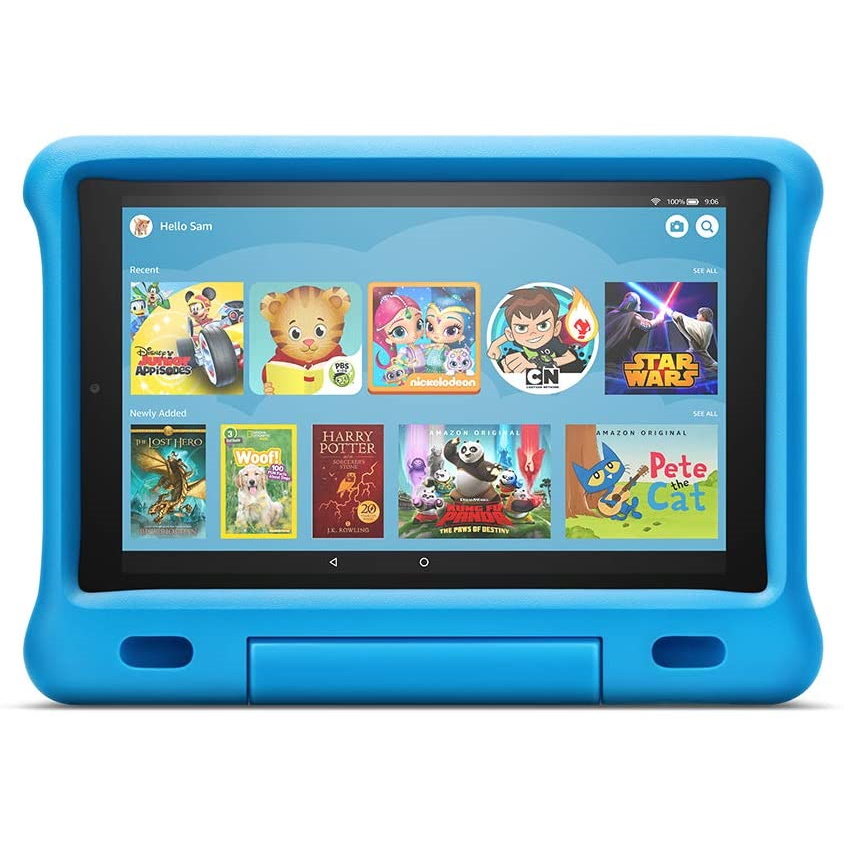
The biggest saving is on the Fire HD 10 Kids Edition - you can pick up two for just $299.98 this weekend, down from a usual $399.98 price tag for both devices. That means you're paying $149.99 per tablet - a significant saving considering these gadgets usually come in at $200 a piece. The full HD 10.1-inch tablet offers up the best screen of the bunch, with plenty of storage under the hood - as well as all the Amazon FreeTime Unlimited content, easy to use parental controls, and a two year worry free guarantee as well.
2x Amazon Fire HD 10.1-inch Kids Edition tablets:$399.98$299.98 at Best Buy Picking up two Fire tablets for the kids can save you $100 this weekend, with Best Buy cutting the price by $50 per tablet when you're buying for the whole family. That means you're paying just $149.99 per tablet - an excellent price for the full HD 10.1-inch model with 32GB of storage and plenty of kid-oriented content and safety features as well. View Deal
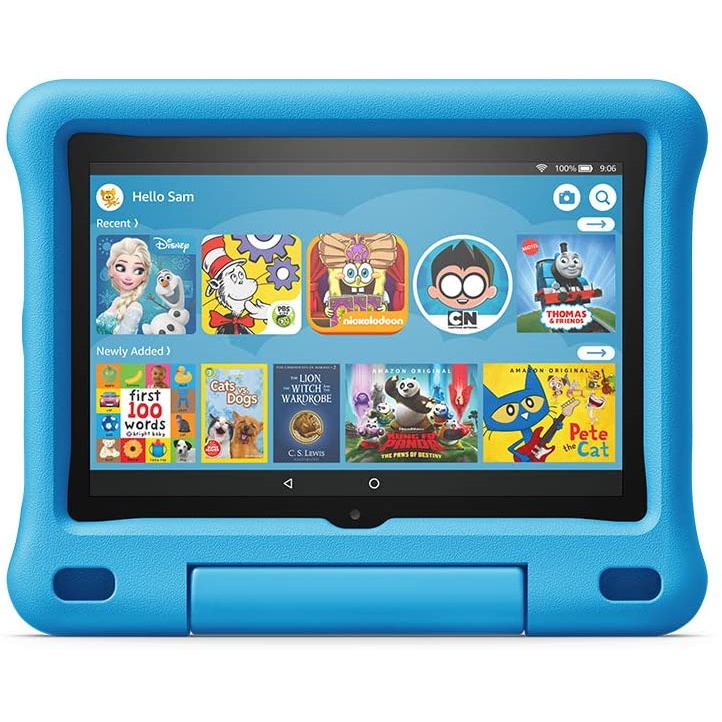
2x Amazon Fire HD 8-inch Kids Edition tablets:$279.98$209.98 at Best Buy You're saving $70 when you pick up two 8-inch tablets at Best Buy. That means each tablet is costing you around $105 rather than the $139.99 MSRP. This is the best model for most people looking for kid-friendly entertainment and security with a smaller screen (and lower price tag). View Deal
2x Amazon Fire 7-inch Kids Edition tablets:$199.98$149.98 at Best Buy You're picking up a smaller, lower resolution screen here, and there's only 16GB of onboard storage, however this is one of the cheapest tablets for kids on the market right now - and you can save an extra $50 at Best Buy when you grab two. That brings the final cost down below $150. View Deal
More Amazon Fire tablet deals
Of course, if you don't want to be locked into Amazon's Fire OS, you can find plenty more cheap Android tablets up for grabs right now, with Samsung Galaxy Tab A deals offering a particularly cheap option. If you're looking to spend a little more, though, we're also rounding up all the latest Samsung Galaxy tablet sales and iPad deals as well.
from TechRadar - All the latest technology news https://ift.tt/36tlP4h
via IFTTT
The demand for the best business laptops is bigger than ever now that we’ve entered the age of working from home. They are both powerful and versatile enough to cater to a wide range of requirements and use cases, and they’re excellent solutions for professionals who no longer have to be fully-based in a physical office or travel for business.
Of course, choosing one of the best business laptops is not a task to be taken lightly. You need more than a fancy machine with a premium price. In fact, it might surprise you to know that there’s a lot of affordable business laptops out there that are a better value for your money. Plus, you need it to be reliable, robust, and portable so you can use it whether you’re working remotely or at the office. Finally, you also want a long battery life and perhaps a rugged build, if you plan on doing work outdoors.
Combining staggering power in a stylish thin and light chassis, this laptop doesn’t hold back when it comes to internals and features that improve your computing experience overall, making this one of the best business laptops around. Among those amazing features are a gorgeous bright display with 500 nits of brightness, an extremely comfortable keyboard, impressive speakers, and a terrific trackpad. We’re not saying that this laptop is perfect, but our coveted 5 out of 5 rating should speak for itself.
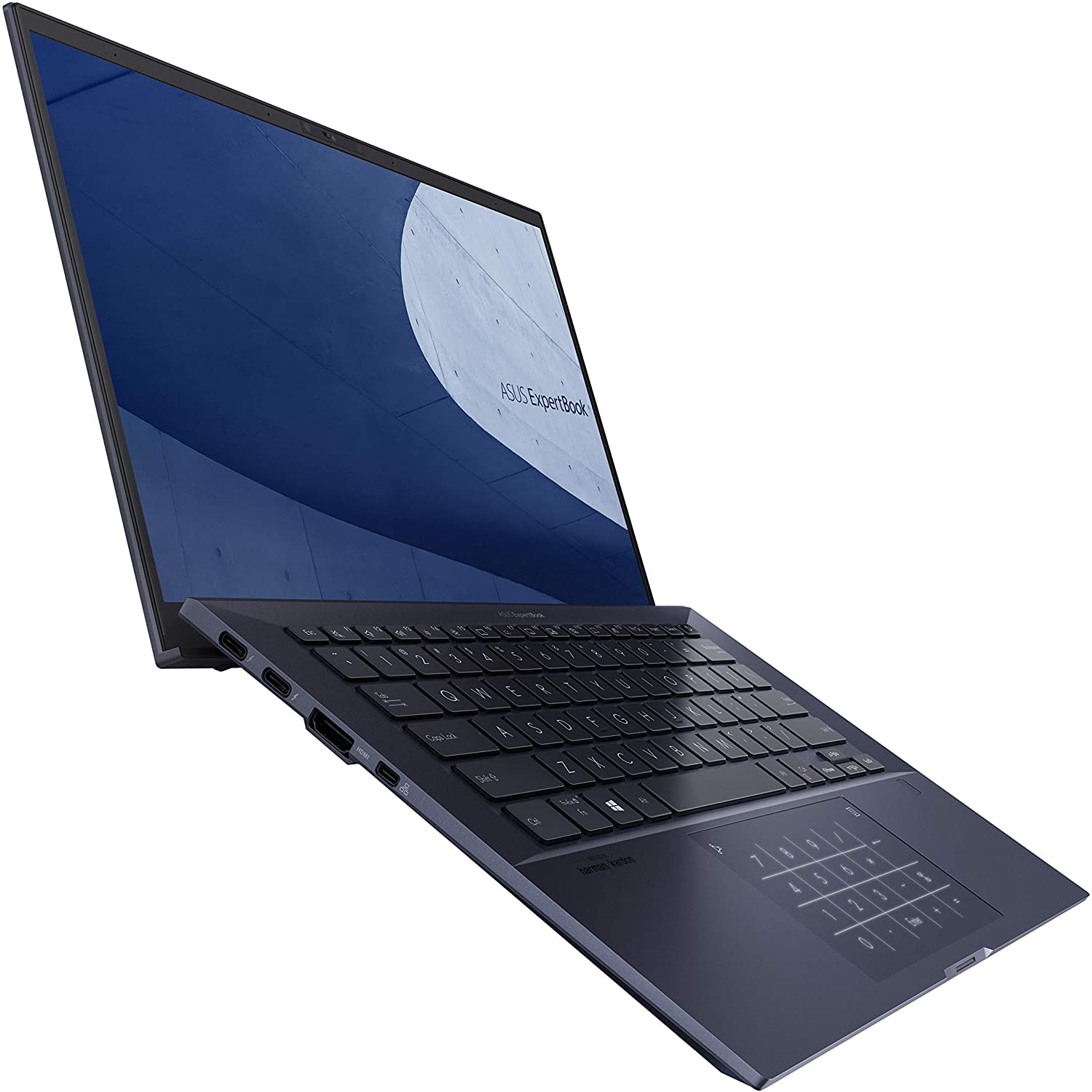
Asus ExpertBook B9450 -$1,670.98 at Amazon
(£1,632.97/AU$2968.79) You won’t find a lighter business laptop than the Asus ExpertBook B9450. It weighs less than 900g and has a massive 14-inch display, an estimated one-day battery life and runs on enterprise-grade Windows 10 Pro.
(Image credit: Apple)
2. MacBook Pro 16"
The best Apple laptop
CPU: 2.6GHz 6‑core Intel Core i7 to 2.4GHz 8‑core Intel Core i9 | Graphics: AMD Radeon Pro 5300M with 4GB of GDDR6 to AMD Radeon Pro 5500M with 8GB of GDDR6 | RAM: 16-64GB 2666MHz DDR4 | Screen: 16-inch 3072x1920 at 226 ppi | Storage: 512GB – 8TB SSD
Powerful configurations
Best MacBook to date
Big and beautiful screen
Expensive
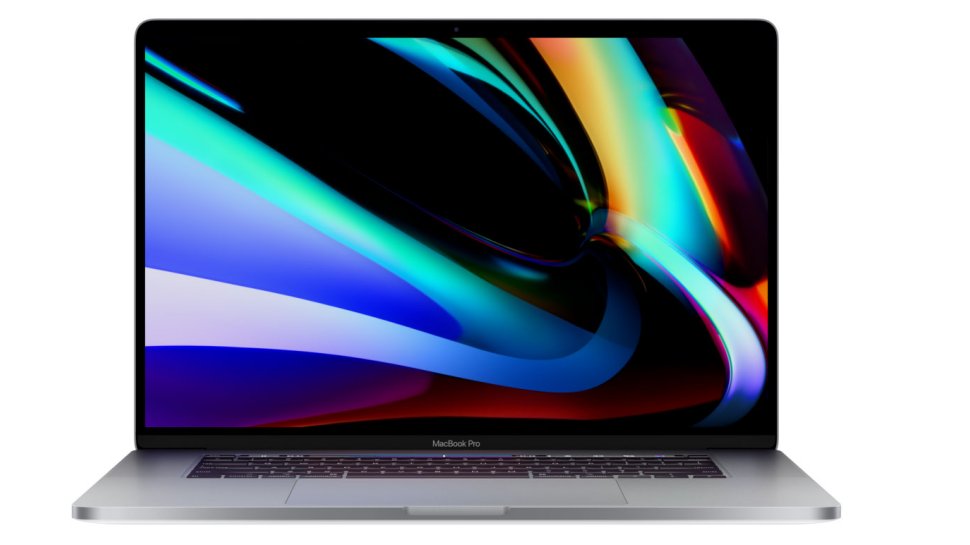
If you don't want a Windows laptop and you want only the best Mac laptop you can get, then the MacBook Pro 16" is truly the best laptop from Apple you can choose.
Aside from its large and beautiful 16" screen, the technical specifications make this probably the most powerful laptop on this list, and should provide many years of excellent use.
There's a choice of 6-core or 8-core processor, and for RAM the base model comes with 16 GB with the option to expand to 64 GB. There's also a choice of graphics cards available, allowing this laptop to handle even the most demanding applications.
All in all this is a beautiful and powerful machine, but as you'd expect, it comes with the biggest price tag of all of the laptops featured here. If you want only the best, then the MacBook Pro 16" should probably be at the top of your list.
(Image credit: Lenovo)
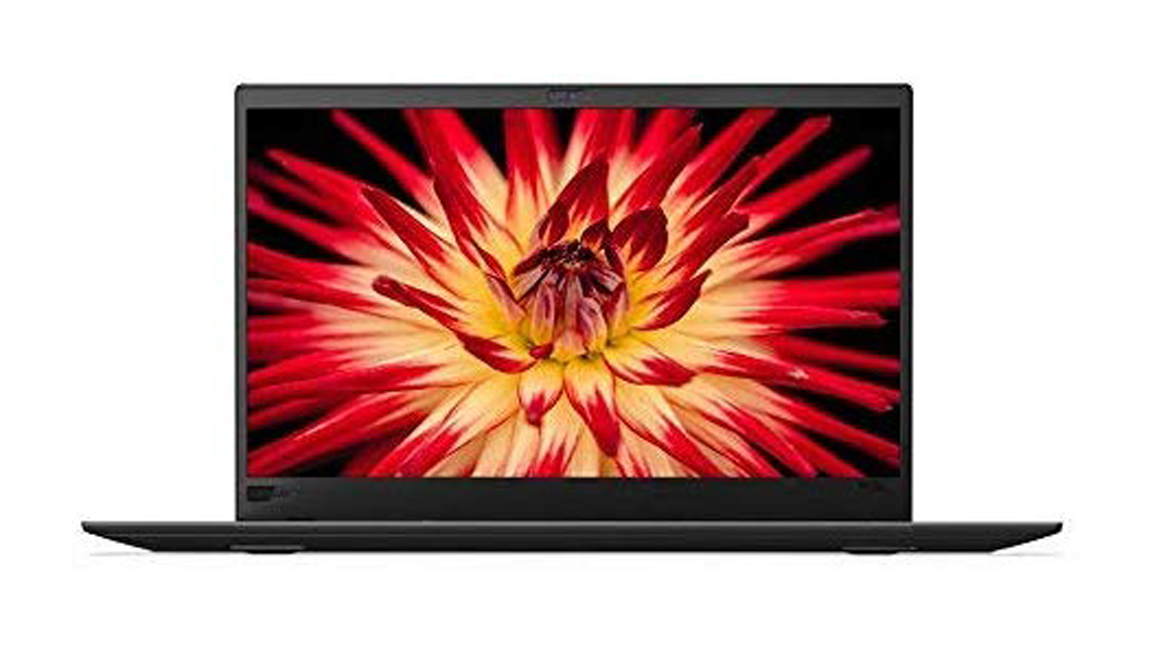
3. Lenovo ThinkPad X1 Carbon (6th Gen)
The ultra-thin business laptop that sacrifices nothing
Smaller and lighter in every way to previous versions
Improved Microsoft Precision Touchpad
Expensive
Previous versions of the Lenovo ThinkPad X1 Carbon have been the absolute best-in-class when it comes to business laptops, and this year's model is no exception, with Lenovo delivering a thinner and smaller design with practically no trade-offs.
If you're looking for one of the best Lenovo laptops with business grade capabilities, you've got an ace here. Despite its small size, the ThinkPad X1 Carbon comes with pretty much every feature you need in a productivity machine, making it the best business laptop money can buy. Thanks to a battery life of up to 15.5 hours, and a rapid charging feature that brings the battery back up to 80 percent capacity in only an hours, the X1 Carbon is an ultrabook that lets you keep on working while you're on the move.
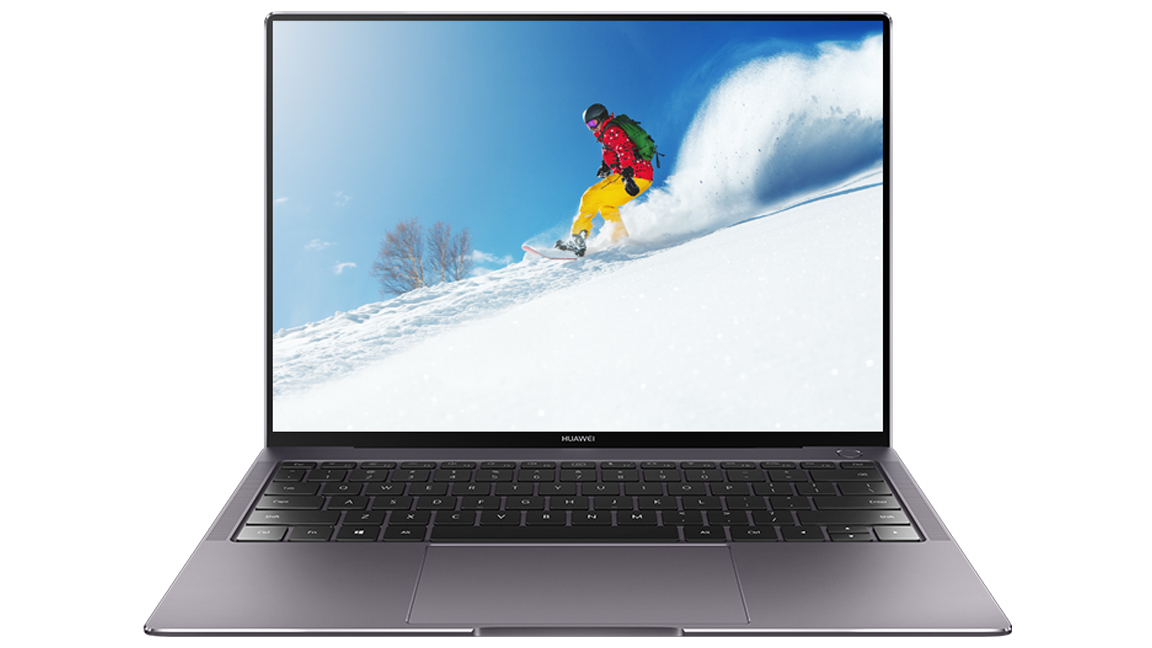
Huawei may not be the first name you think of when looking to buy a new business laptop - whereas Dell and Lenovo are two names you'd more likely associate with notebooks for work, but the Chinese company has proved to be an excellent laptop manufacturer with its new MateBook X Pro. It has a beautiful design that will get appreciative looks in the boardroom, it's light enough to carry around with you, and it has powerful components and excellent battery life. It's also one of the cheaper ultrabooks on the market.
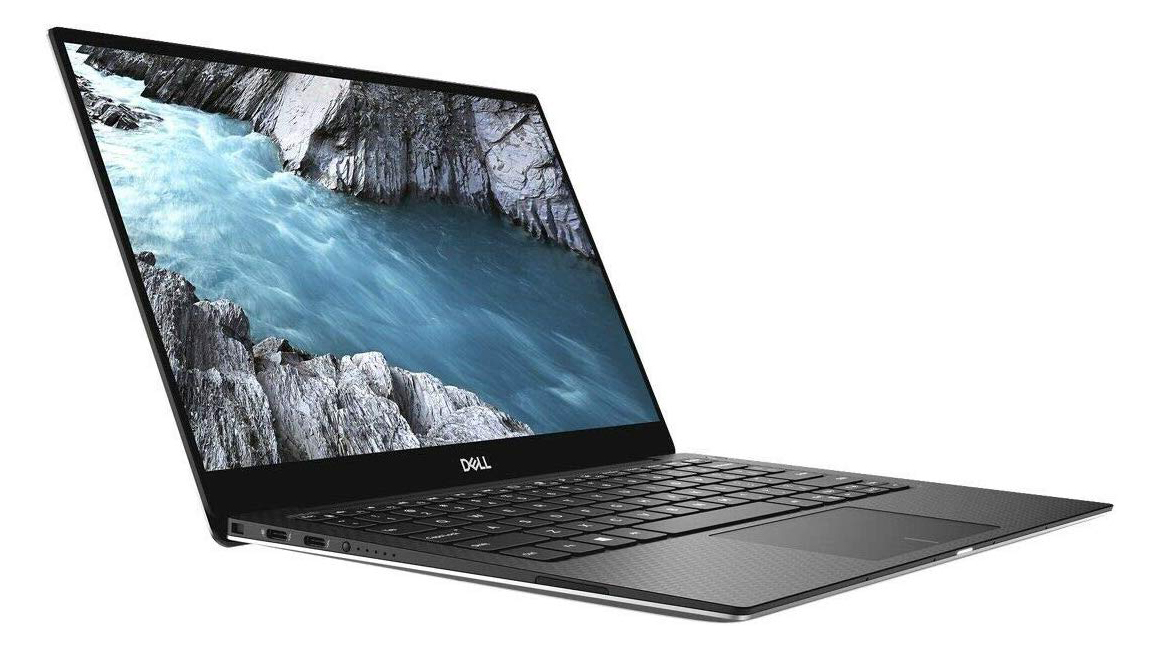
If the Dell XPS 15 is a little large or expensive for your needs, then the Dell XPS 13 makes for an excellent second.
This ultraportable laptop – as Dell puts it – punches above its weight with Windows 10 Pro across the entire range as well as rather attractive pricing.
This award winning laptop (it won best laptop of the year from us and many others) manages to pack a 13.3-inch display into the chassis of an average 11.6-inch model. It was also refreshed in 2019 with even better components, for a much improved business laptop experience.
The laptop can be upgraded to 16GB of RAM and a 1TB M2 SSD drive. Battery life is exceptional as well with almost 22 hours of continual use when using productivity applications.
Dell has once again given the Dell XPS 13 a boost when it comes to components, and the webcam is now placed above the screen for better video calls, which helps make the Dell XPS 13 once again one of the best business laptops money can buy.
(Image credit: Apple)
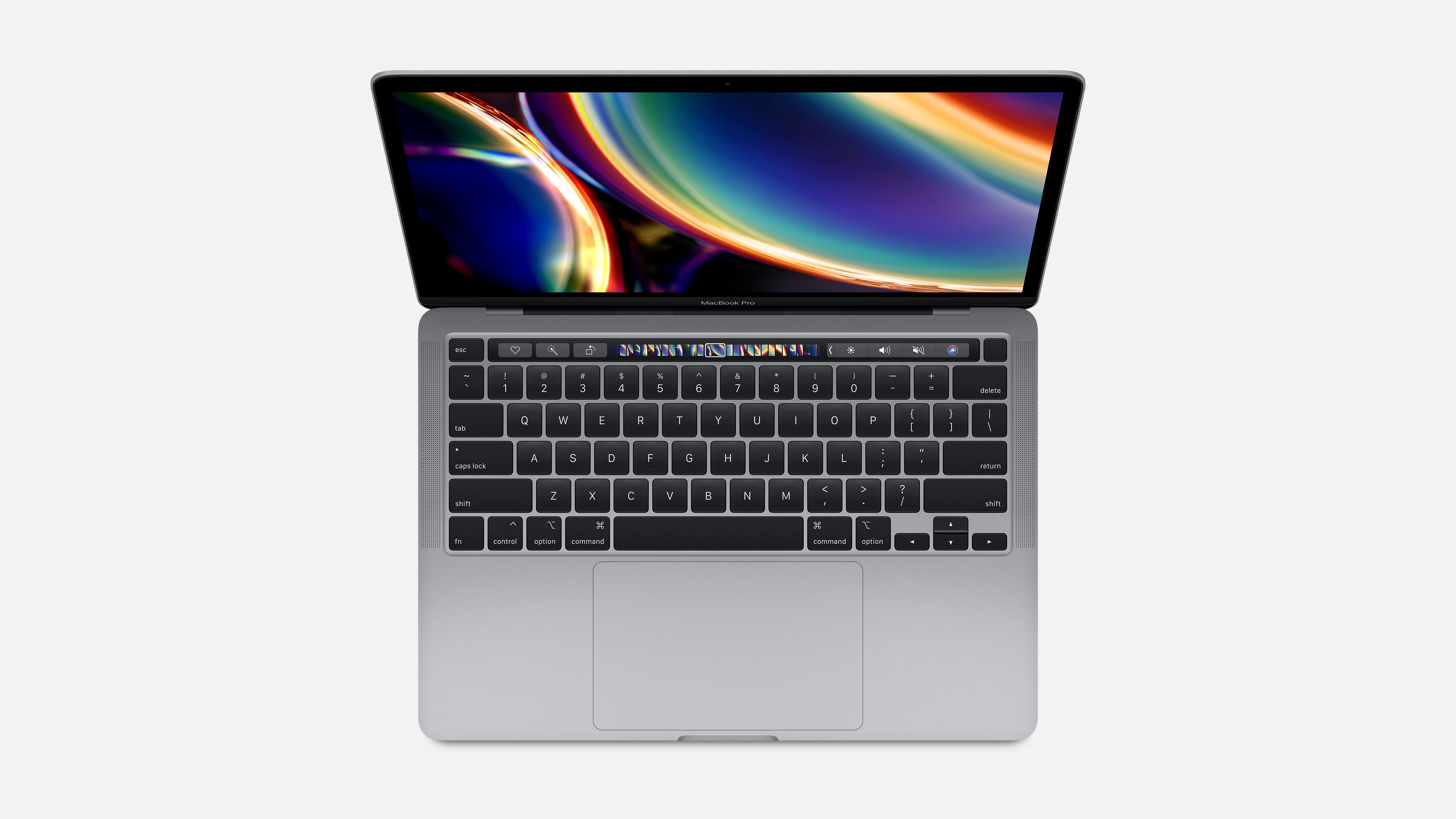
6. MacBook Pro (13-inch, 2020)
Worth the upgrade at the highest configuration
CPU: 8th-generation Intel Core i5 – 10th-generation Intel Core i7 | Graphics: Intel Iris Plus Graphics 645 | RAM: up to 32GB | Screen: 13-inch Retina display with True Tone | Storage: 256GB – 4TB SSD
Improved specs (on some models)
Larger capacity SSD for starting model
New keyboard is great
Entry-level model still has 8th gen Intel CPU
You still only get Thunderbolt 3 ports
The MacBook Pro (13-inch, 2020)’s entry-level model may miss out on some of the lineup’s new toys. However, going for the higher-end configurations will get you new (and powerful) Intel processors and improved RAM speeds for better performance, all packed in the 13-inch incredibly svelte body. Apple rounds it all out with that incredible Magic Keyboard from the new 16-inch, finally getting rid of that problematic keyboard. Even if you don’t go for the 10th-generation Intel Core configurations, you might still appreciate the fact that all models come with more storage capacity for the same price as their predecessors.
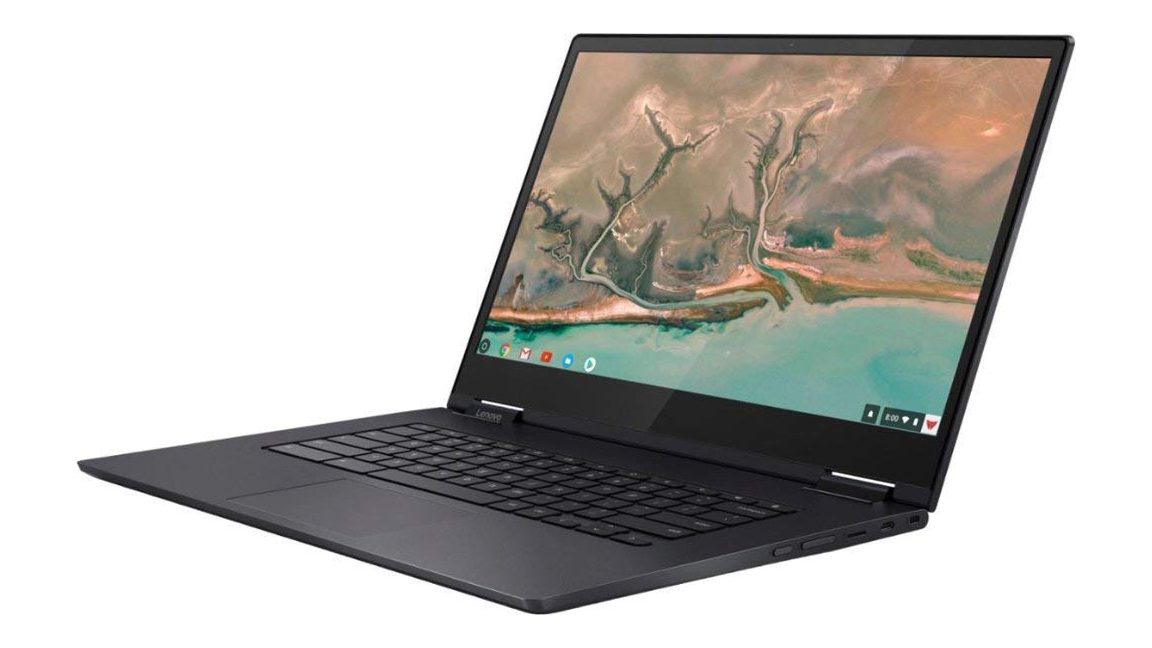
The Lenovo Yoga C630 is hands-down the best Snapdragon-powered laptop ever made. Unlike other Windows laptops that run on Intel or AMD hardware, the Lenovo Yoga C630 runs on Qualcomm's Snapdragon 850 SoC. This is usually found in flagship smartphones, and it allows the Lenovo Yoga C630 to have some of the best smartphone features – but in a laptop.
So, you get instant-on startup times and 4G connectivity. This makes it one of the best business laptops because it means you don't have to rely on Wi-Fi. You can be out almost anywhere, and as long as you have a 4G SIM installed, you can access the internet quickly and securely. The Lenovo Yoga C630 is also always connected, which means even when it is not being used, it's still connected to the internet. So, when you next turn it on, all your emails, messages and notifications will be there waiting for you.
Best of all, it's got a phenomenal battery life of almost 24 hours. That means it can go several work days on a single charge. The only problem is that because it doesn't run on traditional hardware, not all applications are compatible. Hopefully that will change in the future, but if your business relies on a certain program, make sure it runs on Snapdragon or ARM hardware before you buy.
(Image credit: Apple)
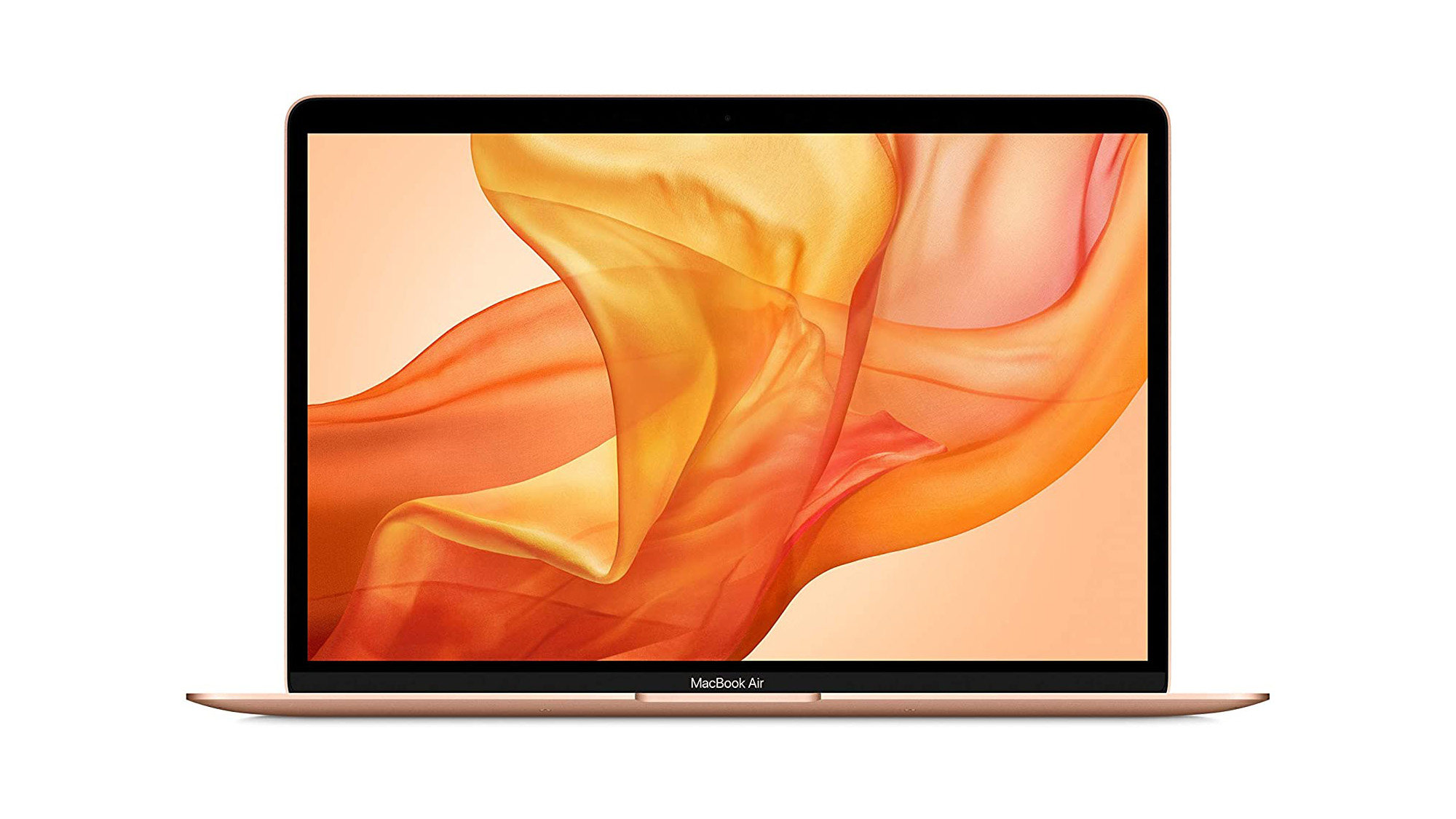
8. MacBook Air (2020)
New and improved for 2020
CPU: Intel Core i3 – i7 | Graphics: Intel Iris Plus Graphics | RAM: 8GB – 16GB | Screen: 13.3-inch, 2,560 x 1,600 Retina display (backlit LED, IPS) | Storage: 256GB – 2TB PCIe-based SSD | Dimensions: 30.41 x 21.24 x 1.61 cm
Lower price of entry
New 10th generation processors
Improved keyboard
Screen colors a little muted
Battery life only OK
Webcam still just 720p
Apple’s thinnest and lightest MacBook came back with a vengeance in 2020. Not only did it fix a lot of the complaints with its predecessors – namely, that problematic keyboard, replaced by a drastically improved keyboard. But it also came with new and more powerful internal components, even more storage space options, and a lower price of entry. There are a couple of things we’d do better, like the muted screen and the average battery life. However, all things considered, this model of the MacBook Air is better than anything we’ve seen from the line to date, and among the best business laptops for Apple fans who want to travel light.
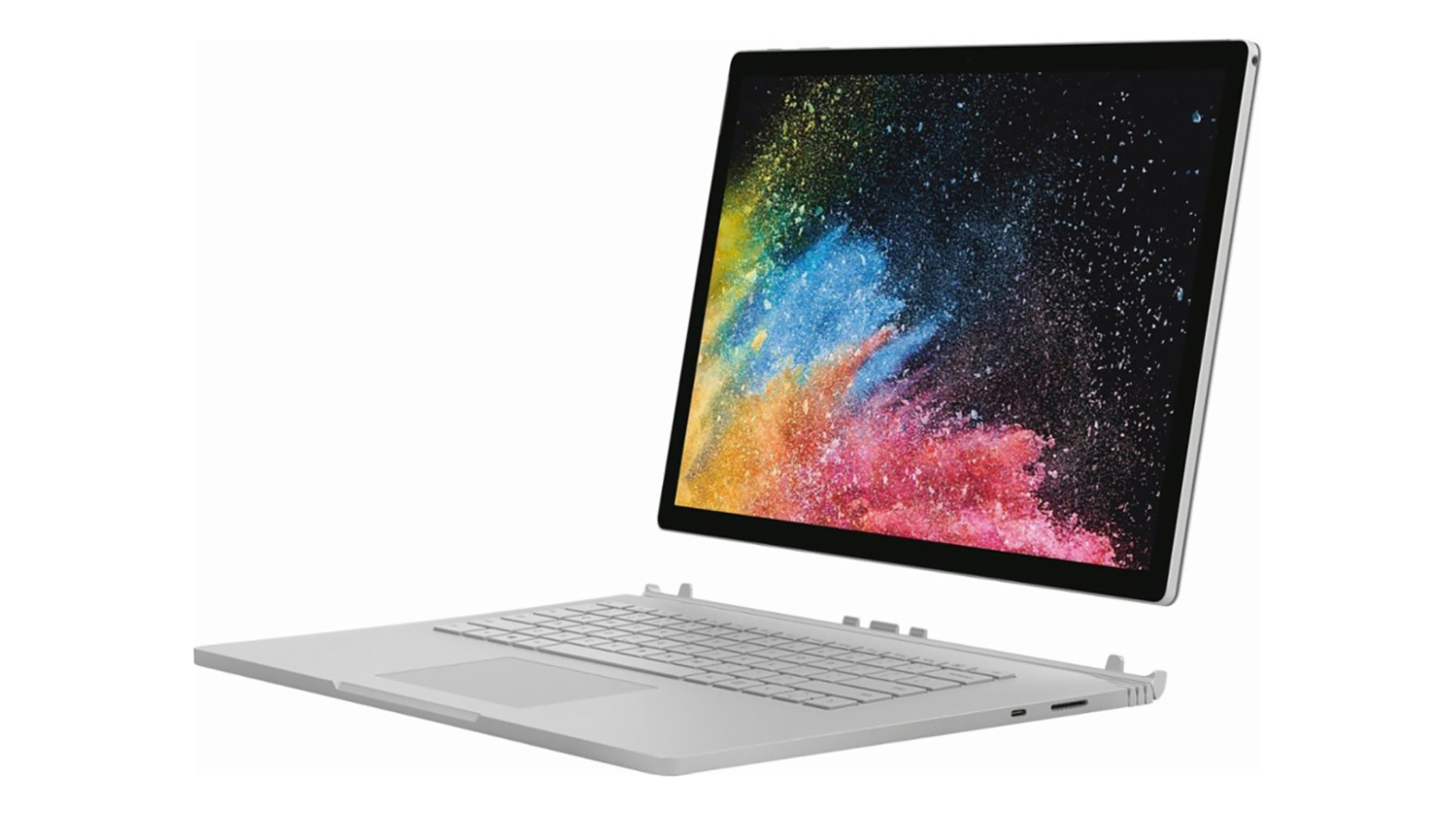
The Surface Book 2 (13.5-inch) is another entry from Microsoft in our best business laptop list, and it's worthy of its spot, as Microsoft has crafted one of the most powerful 2-in-1 laptops in the world. The Surface Book 2 has some powerful enough components to handle most day-to-day tasks, and even some light gaming and video editing if you go for a model with a dedicated graphics card. If you want a bigger screen, then there is also a 15-inch version of the Surface Book 2, which comes with more powerful components.
CPU: Intel Core m3 - Intel Core i7 | Graphics: Intel UHD Graphics 615 | RAM: 8GB - 16GB | Screen: 13.3-inch Full HD (1,920 x 1,080) or 4K LCD touchscreen | Storage: 128GB - 256GB eMMC
Incredible battery life
Amazing ‘Hush’ keyboard
Iffy pricing at mid- to- high-end
No biometric login
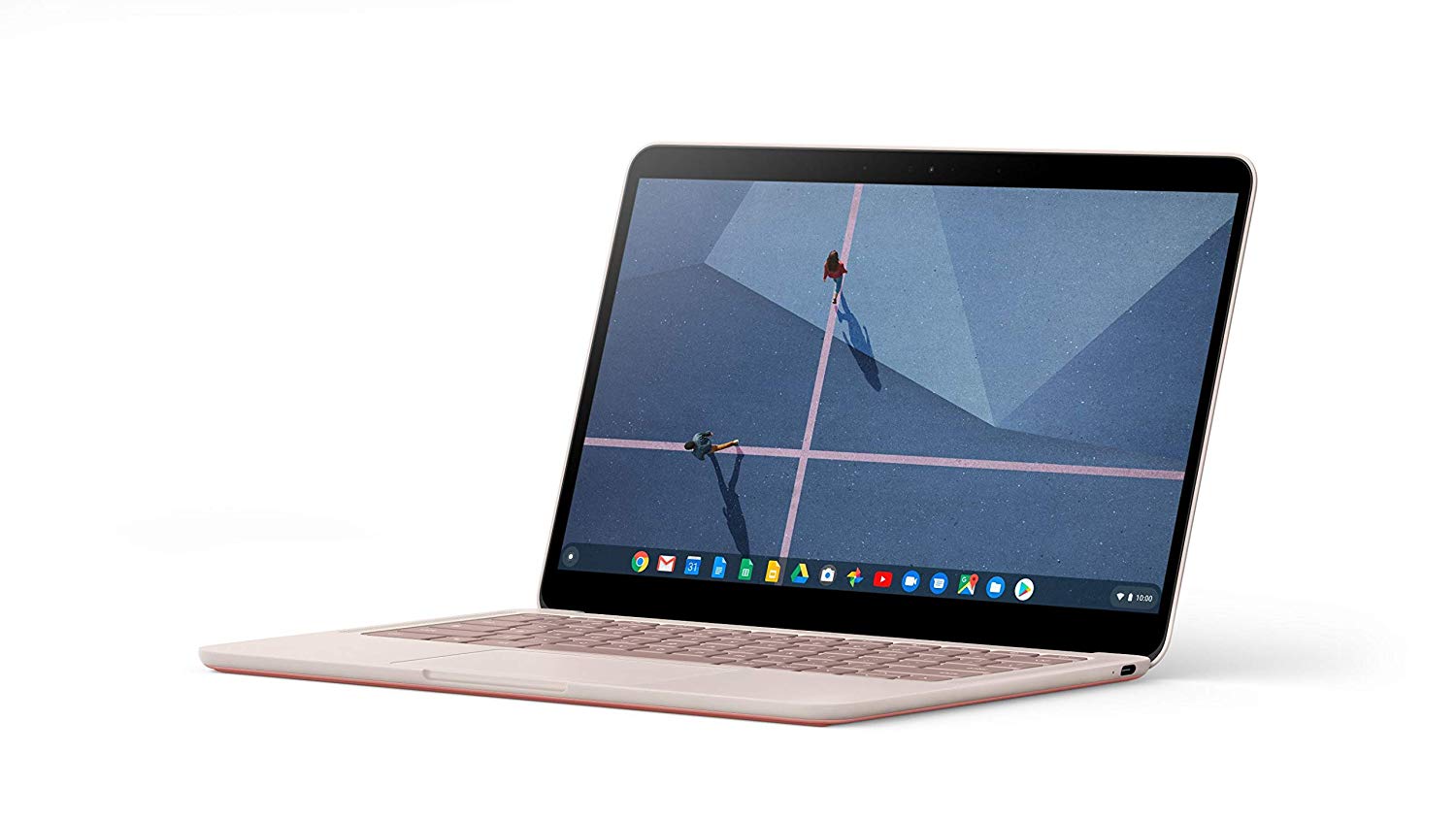
Google continues its tradition of making the best Chromebook in the world. This is a Chromebook that proves that these devices can be just as stylish and powerful as traditional laptops, and the Pixelbook Go brings a lot of the original Pixelbook's premium features to a more affordable device. It also features a fantastic battery life and a brilliant keyboard that makes typing on a pleasure. This is among the best business laptops for professionals looking to save some cash.
Scouring the internet for a fantastic broadband deal this weekend? While there are plenty of discounts to be had, the best looks like it will be coming from Virgin right now.
The brand is offering its M100 fibre package at a price of just £24 a month. That plan offers speeds averaging 108Mb - roughly double most contracts at this price point. And to top of an already tempting offer, Virgin will also throw in a £75 Amazon voucher.
However, Virgin is listing an end date of Sunday 31 for this deal meaning you don't have long to get it. There is also the point that Virgin isn't the most readily available internet provider in the UK.
Can't get Virgin where you live or you'll miss the end date? TalkTalk has an excellent alternative offer. We've listed both of these broadband deals down below for you to see, offering the best broadband prices this weekend.
Virgin M100 Fibre Broadband| 18 months | 108Mb average speed | £24 per month | FREE activation + £75 Amazon voucher Right now, Virgin has the best broadband deal on the market. It costs you just £24 a month while supplying some incredible speeds averaging 108Mb. That is almost double what most other plans are able to secure you for this price. On top of that, Virgin is also throwing in a £75 Amazon voucher. View Deal
An alternative offer from TalkTalk:
TalkTalk Fibre 65 Broadband:24 months | Avg speeds 67Mb | FREE activation | £24 per month + £80 voucher Can't get Virgin where you live? The next best choice comes from TalkTalk, offering speeds averaging 67Mb for just £24 a month. That alone is a brilliant offer but then TalkTalk is including an £80 voucher on top. That voucher can be used as a Mastercard, at M&S, Tesco or on Amazon.co.uk. View Deal
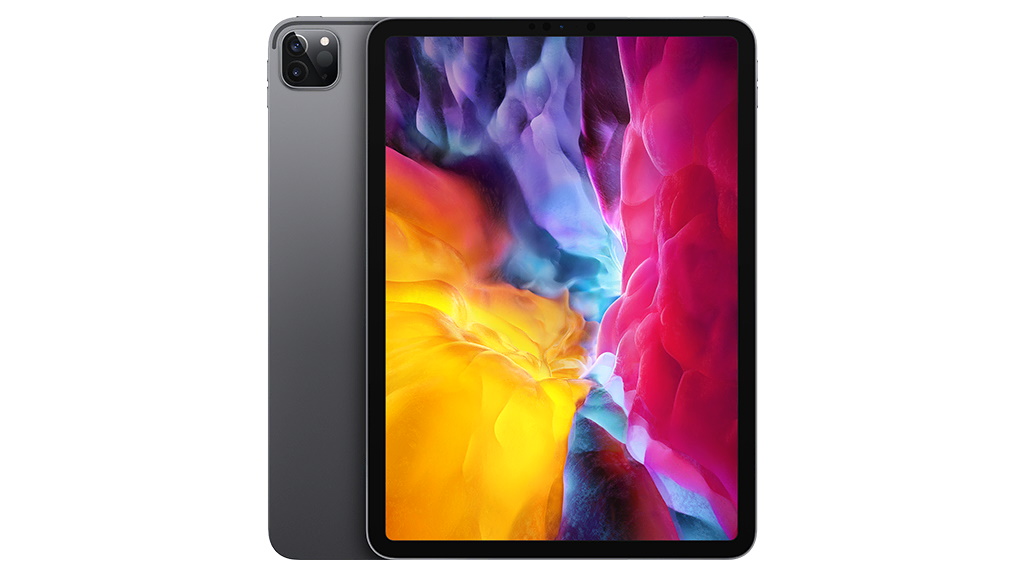
You'll usually find some pretty strong iPad deals if you know where to look, and this weekend we're showing you exactly where to hunt to find the best discounts of them all. Amazon has the top spot for the strongest iPad deals right now, on everything from the 8th generation entry-level model to the most powerful of iPad Pros.
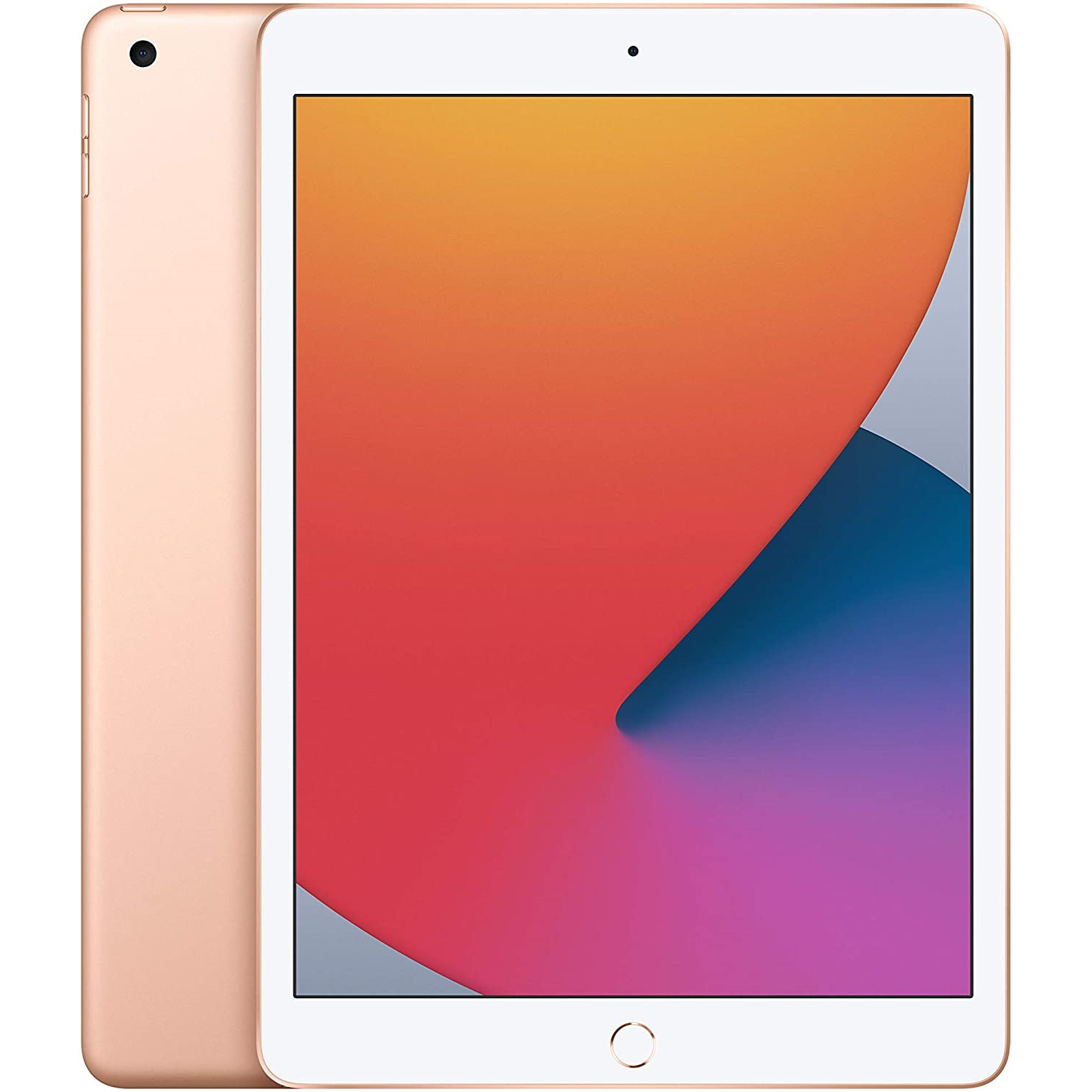
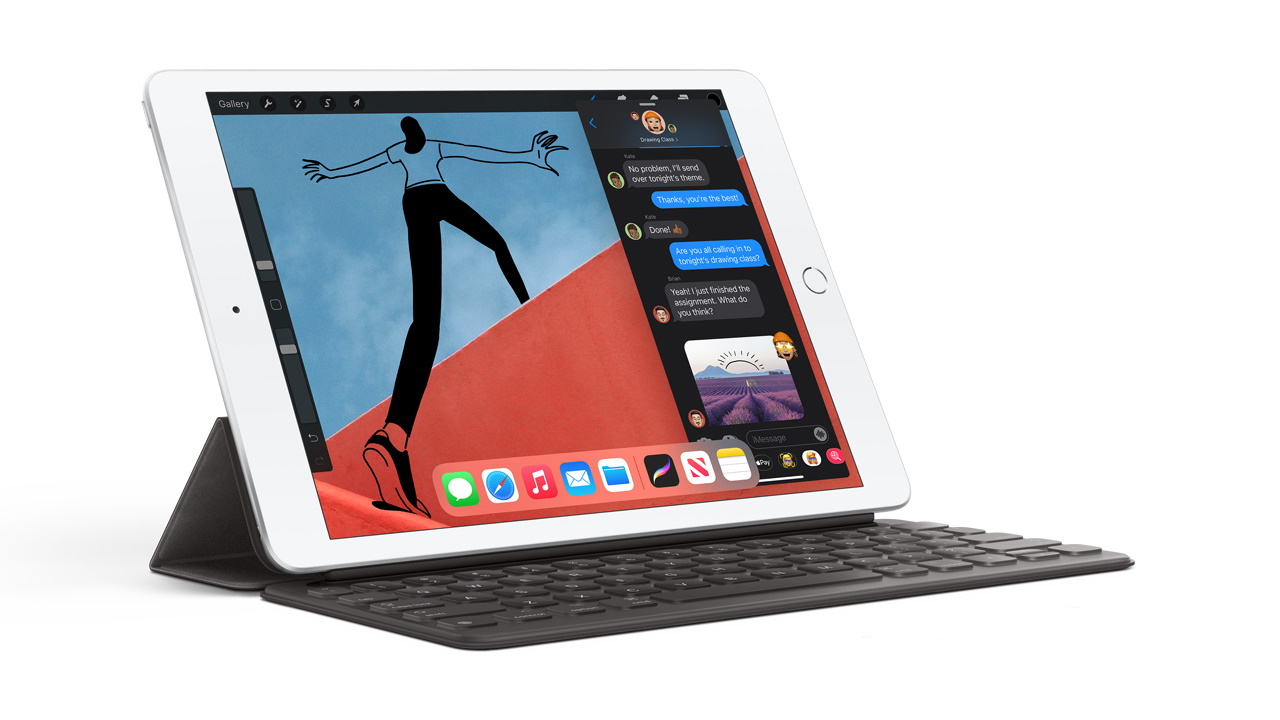
You'll find that 8th generation device down to just $299 once more, though only the Gold model is holding onto its stock at this price. That's a $30 saving over the usual $329 MSRP, so while not a massive discount and certainly one we've seen a lot of over the last few weeks, it's a popular option that fits most wallets perfectly.
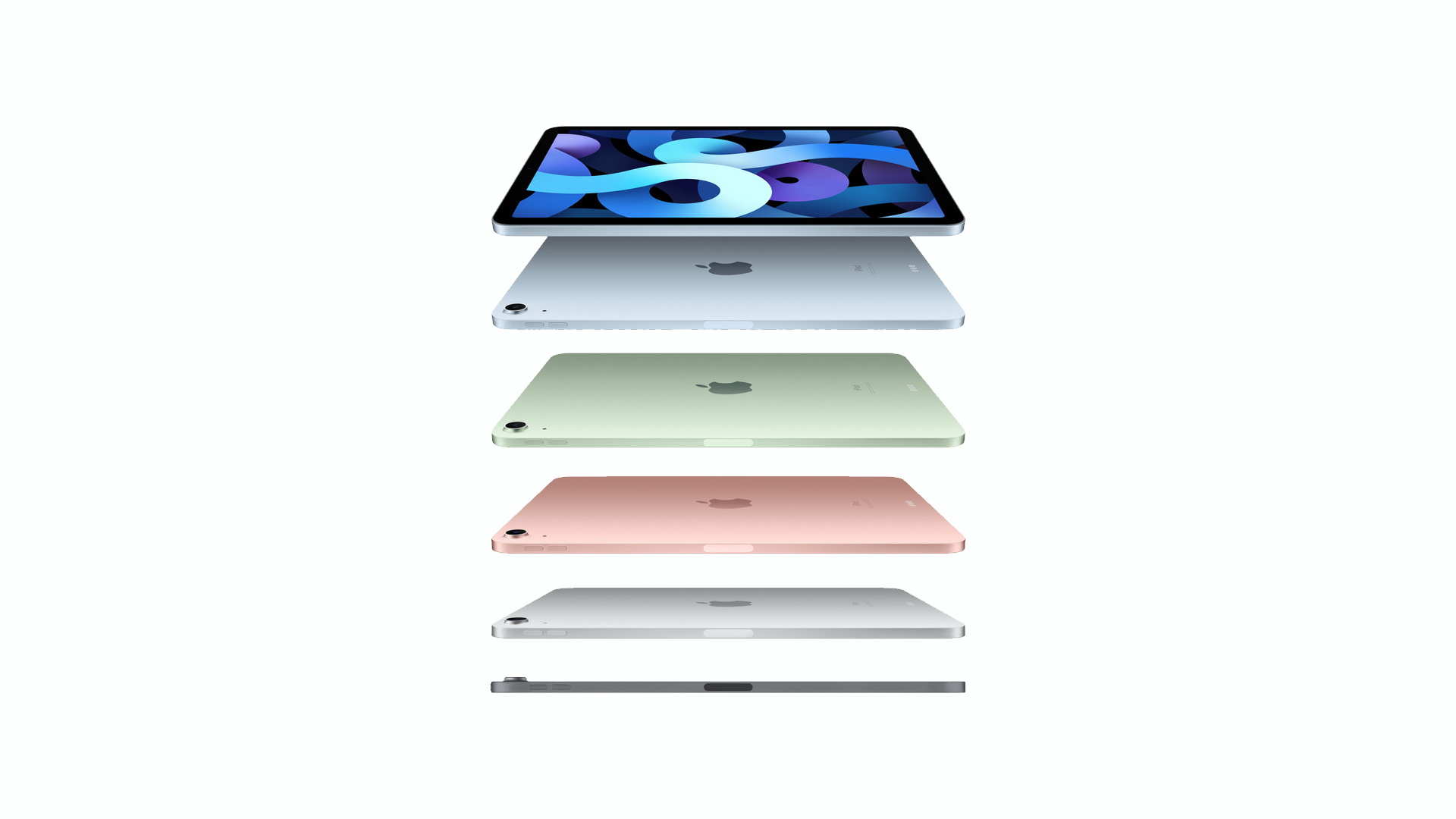
However, if you're after something a little more powerful, you'll also find a record low price returning on the iPad Air 4. The latest Air model offers a halfway house between the traditional iPad and the Pro - with big processing power and a whole suite of features geared towards creative professionals. You'll find it back down to its record low sales price of just $559 right now - a $40 improvement over the $599 asking price.
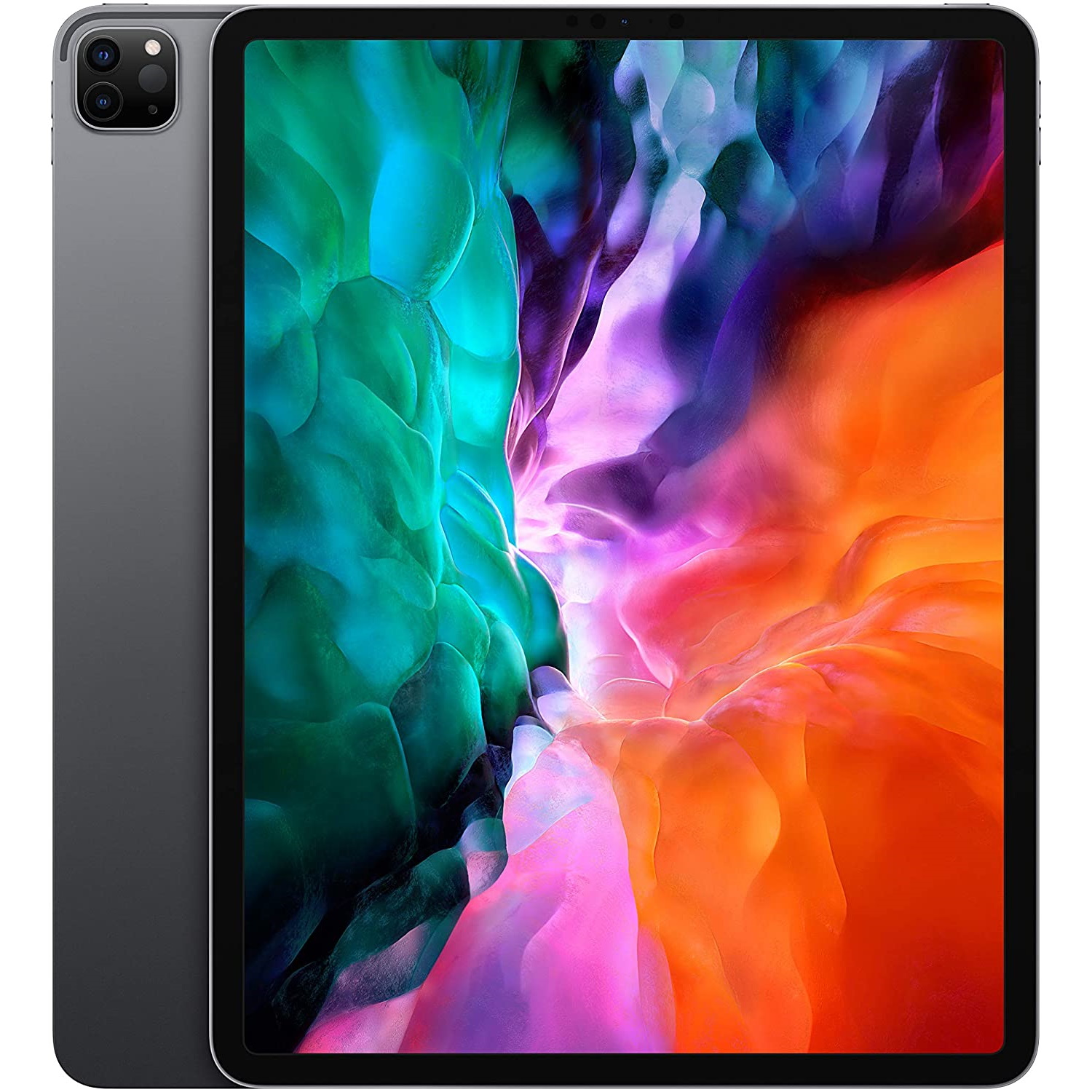
If you're in it for the big guns, though, you'll be glad to know that iPad Pro deals are being just as forthcoming this weekend. The best deals lie with the 256GB models, with the 11-inch coming in at $50 off (now $849, was $899) and the 12-inch version returning to its cheapest position yet with $100 off (now $999, was $1,099). However, you'll find iPad deals available on every iPad Pro configuration right now, so there's plenty of wiggle room if you need bigger or smaller specs.
Not in the US? Scroll down for moreiPad dealsin your region.
This weekend's best iPad deals
2020 iPad 10.2-inch (32GB):$329$299 at Amazon We're only seeing the Gold model available for under $300 this week at Amazon, and even that model isn't due to ship until the second week in February. However, this is a record low price that always proves popular so we'd recommend jumping on this one before that stock is up. View Deal
iPad Air 4 (64GB):$599$559 at Amazon Save $40 on the latest iPad Air 4 at Amazon, with that $559 price tag marking a return to the lowest cost we've seen on the premium machine so far. The Space Gray model will run you an extra $10, but we're seeing the Green, Rose Gold, Silver and Sky Blue versions available for this excellent price.
2020 iPad Pro 11-inch (256GB):$899$849 at Amazon The 256GB model offers the best 11-inch iPad Pro deal this weekend. You're saving $50 on a device perfect for more power intensive tasks, without requiring the space of the larger (and more expensive) configurations. Of course, you'll find discounts across the range this weekend, so if you are looking for more or less space there's a deal out there for you.
2020 iPad Pro 12.9-inch (256GB):$1,099$999 at Amazon You're saving $100 on this 256GB 12.9-inch iPad Pro - an excellent deal if you don't want to spend the next few months watching out for a few dollars more in savings (we previously saw this model at $949). However, you'll find a variety of iPad deals up for grabs this weekend, with prices dropping on a range of configurations as well.
If you're after the Windows treatment you'll find a range of Surface Pro deals up for grabs right now. However, if you're budgeting a bit further down the price scale there are plenty of cheap Android tablets that will handle everyday streaming and web browsing at a lower cost. Or, take a look at the latest Samsung tablet deals for a similar (if slightly cheaper) price range on an Android device.
from TechRadar - All the latest technology news https://ift.tt/2Mg8mWr
via IFTTT
Popular online trading and investing app Robinhood has turned to its investors to infuse additional capital to the tune of $1 billion amidst the ongoing turmoil on its platform.
Earlier on Thursday, the platform restricted the purchase of several stocks including GameStop, which had been driven to unusually high prices, mostly due to the r/WallStreetBets subreddit.
As per reports, strained by this coordinated effort, Robinhood has turned to its investors to raise money in order to pay its customers as well as to shield its trading partners from losses.
As it grappled to fulfill the orders of GameStop and other heavily traded stocks, Robinhood was forced to borrow a line of credit from six banks, reportedly to the tune of $600 million. Even that wasn’t enough according to reports that got the information from anonymous sources who were privy to the internal briefings at Robinhood.
The platform then turned to its investors, including the venture capital firms Sequoia Capital and Ribbit Capital, who have reportedly agreed to pool together $1 billion for the platform in exchange for additional equity in the company at a discounted valuation.
“This is a strong sign of confidence from investors that will help us continue to further serve our customers,” wrote Robinhood’s spokesperson Josh Drobnyk in an email to The New York Times.
Meanwhile, Robinhood’s decision to restrict purchases was met with significant backlash, and there are reports of several U.S. lawmakers expressing displeasure and pledging to investigate the actions of the platform.
An internal audit report by the African Network Information Centre (AFRINIC) which has been publicly released shows how 4.1 million IP addresses were misappropriated in the massive heist.
It is a saga which has been unfolding for years but has finally been publicised. AFRINIC, which is responsible for allocation and management of IP addresses in Africa began its investigation in 2019 after being ordered to by the Supreme Court in Mauritius following an application by the FBI about anomalies spotted among the addresses.
“Internal employees of AFRINIC may have, without any lawful authority, acted in collusion with other third-parties on the unlawful misappropriation of IPv4 resources, held by AFRINIC, which resulted in prejudice to the company and by extension to AFRINIC’s resource members and its community at large," explains the report.
Reclaiming the addresses
Following the two years since the investigation, AFRINIC has begun reclaiming the misappropriated addresses.
So far 44.7% have been reclaimed. This amounts to 1,060,864 IPv4 resources. These have been deregistered from the WHOIS database since February 2020 and have been in "quarantine". Following 12 months in this state, they are expected to be added back into AFRINIC's pool of resources.
"A total of 1,310,720 IPv4 resources are yet to be reclaimed due to ongoing diligence being carried out," said the report.
January 29, 2021 at 12:42PM from TechRadar - All the latest technology news https://ift.tt/3oumXdY
via IFTTT
Free blogging sites have come a long way in recent years, and it’s now easier than ever to create a professional-looking blog to share a hobby with like-minded people, express your opinions, and establish an online presence.
These free blogging sites are aimed at hobbyist bloggers – blogs are created and managed online, and hosted on the blogging platform’s own servers. If you want to create a self-hosted blog, the downloadable version of WordPress is an excellent option, with total flexibility, support for third-party plugins, and as much storage as your hosting plan allows.
If you're interested in making a static website rather than an online journal, take a look at our guide to the best free website builders.
Take your blog to the next level with Bluehost
Free blogging sites have their limitations which is why you should consider hosting your blog with Bluehost instead. If you sign up for the company’s Shared Plan for $2.75 per month for the first term only, you’ll get $175 in offers, 24/7 support, as well as a free domain and site builder.
Wix has a range of paid-for subscription plans, but also a free offering, although it’s best to note upfront that this has some caveats. With the free product, your site will have Wix branding, and you’ll be limited to 500MB of data transfer per month, so it’s not for heavily-trafficked sites. You also only get 500MB storage, too, so bear that in mind.
Those limits aside, you are free to build a blog with an unlimited number of pages, and where Wix really distinguishes itself is with its powerful blog functionality. The editor may be simple, but you get access to all the stuff you need – from image galleries through to videos and music – and there are a ton of ways to customize a post.
There’s also a lot of flexibility in the way you can schedule posts, and neat touches like being able to set up things so that posts are automatically pushed to Facebook when they’re published. For instance, there's a feature called Wix Bookings that allows customers to schedule appointments and classes right on your website.
And what makes Wix truly compelling is that on top of this, you get the run of the rest of what this website builder offers aside from blog support. That includes using Wix’s ADI (Artificial Design Intelligence) editor, which will ask for some basic info regarding the kind of site you wish to create, and features you want, and will swiftly produce something along those lines for you. That’s an impressive feature for novices, of course.
There’s also commendably diverse support for various different types of media, and quality customer support to boot (yes, even on the free plan). The Wix Turbo feature is also on hand, and this increases the speed and performance of websites considerably.
When you consider what you’re getting for nothing, the bandwidth and data limits don’t seem like such a heavy set of shackles. And you can always upgrade at a later date if you want to break free of them in the longer run.
Advanced features, plugins and a generous storage allowance
Powerful customization options
Useful analytics
Active support community
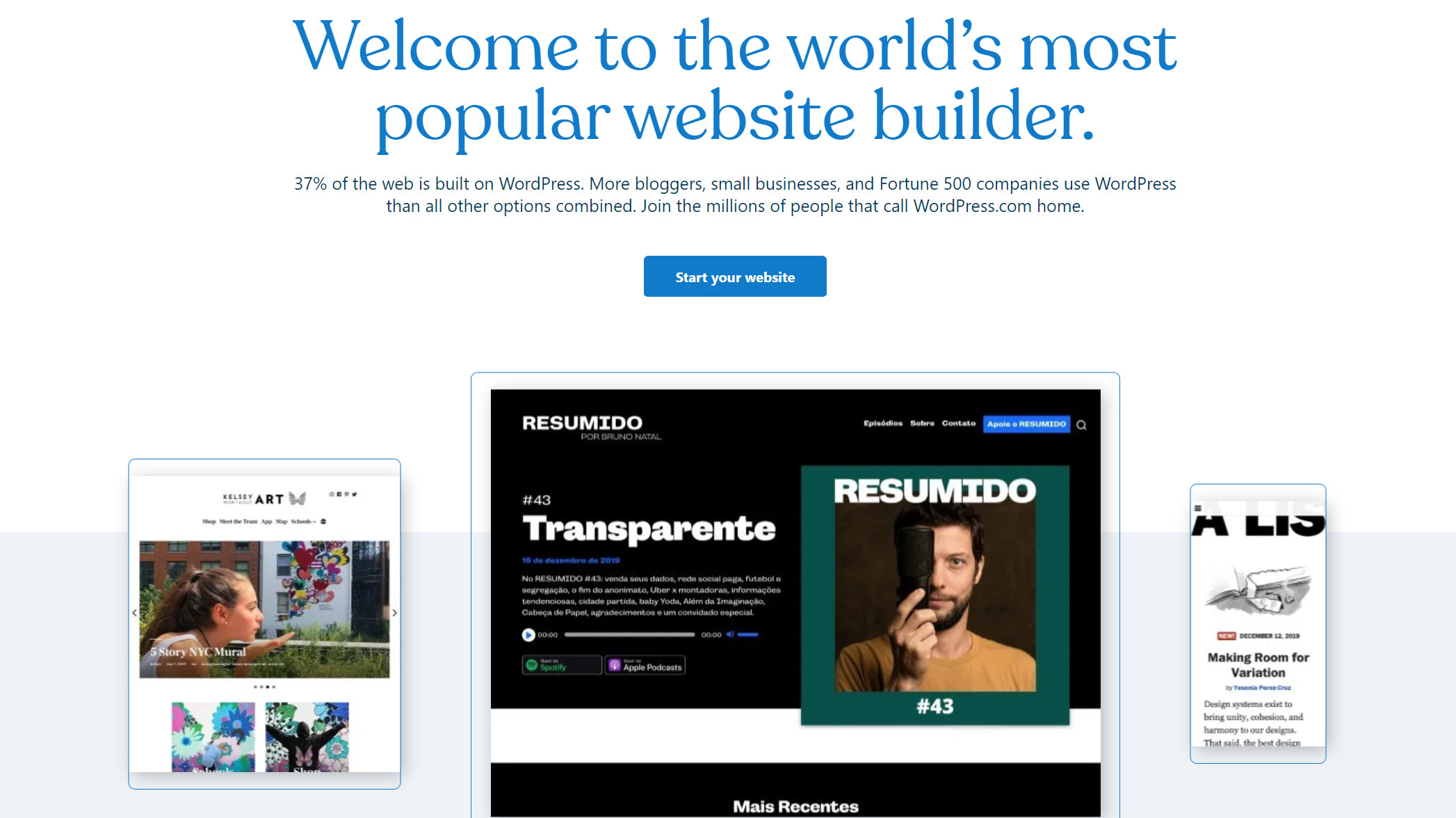
Powerful and highly customizable, WordPress is a brilliant platform for blogs of any size, and bloggers of all levels of experience.
Creating your first blog is very straightforward, with a simple wizard that guides you through the process of choosing a name and suitable theme. You can leave it there and begin writing posts immediately, but the real fun lies in the more advanced editor, which lets you customize virtually every aspect of your blog’s appearance.
Unlike some blogging sites, WordPress isn’t a drag-and-drop affair, and you’ll have to familiarize yourself with its system of menus. Doing so is well worth the effort, though, and enables you to create something truly personal. The editor also allows you to create static pages – like a writer’s biography, for example.
The post-writing interface is much like an ordinary desktop word processor (though some options are presented in a toolbar at the top, while others are in a menu at the side, which can be a little confusing at first). Again, time spent getting to know the interface is rewarded with advanced features like customizable social media sharing buttons, geotagging, and the ability to pick a custom style for individual posts.
Sometimes you might want to create a photo gallery, for example, and other times a more text-focused style would be more appropriate. You can also view and edit the HTML source.
As your blog grows, WordPress lets you track its stats, including page views, visitors, likes and comments over time. You can also see how readers reach your site, which content they viewed, and where they are in the world, all of which is very useful in terms of being able to tailor your content accordingly.
Your site is hosted on WordPress servers, with an address in the format yoursite.wordpress.com. Users of the free service don’t get email or live chat support, but the WordPress community forums are very active and questions are usually answered within a few minutes. Additionally, privacy protection for domains that are registered at WordPress.com is free.
WordPress displays ads on free blogs, but provided you can live with that, it’s a top-notch solution for a free blogging site.
Boasts mobile-friendly features and Google app integration
Very accessible for newbies
Impressive selection of templates
Not as powerful as WordPress
Blogger is another superb blogging platform. It’s not quite as powerful as WordPress, but on the other hand, it is more accessible for new users, which comes as no surprise when you learn that it’s owned by Google.
Blogger offers an excellent selection of templates, all of which include mobile versions optimized for smaller screens – a very sensible addition with so many people accessing online content through smartphones these days. Blogger is also web responsive.
Blogger’s post-editing tool is much like WordPress, but offers fewer options. As a result, its toolbars are less confusing – a trade-off between power and usability.
One of Blogger’s best features is its integration with other Google apps and services. For example, it uses your Google Drive account to store images and other files for your blog. Google Drive gives you 15GB of space free, so Blogger is a good choice if you’re planning to share a lot of high-res photos.
Spam comments are a big problem on blogs, so Blogger’s automatic spam filter can help save your sanity. You can monitor comments via Blogger’s dashboard, which also lets you see visitor stats. There are some handy visualizations here, including a world map to show the global distribution of your readers.
Your blog will have an address in the format yoursite.blogger.com, and, like all Google services, will include ads. Support is available through the Blogger user forum, which is very active but has a strange layout that can be a little off-putting.
In all other respects, Blogger is brilliant – in short, it is one of the best free blogging sites if you prioritize ease of use over flexibility, particularly if you are a fan of the Google ecosystem too.
Weebly takes a modular approach to blog building, with a drag-and-drop editor that lets you choose which elements to add to your site, and where.
Pick a basic template, then plonk various types of content onto the page, including social media links, text, images, maps, and sections of code. It’s a refreshingly simple way to build a blog that feels unique to you, but doesn’t require any messing about with menus.
It’s worth noting, however, that certain content blocks can only be positioned in certain areas; it isn’t a total free-for-all. This makes sense – forcing you to stick within the confines of your chosen template stops the page looking messy – but you might find it limiting.
Blog posts are made in the same way: drag text boxes, picture frames, buttons and page breaks into position, then click to edit them. One particularly nice feature is the ‘secret draft link’, which lets you preview your unpublished post, and even share it with others via email before releasing it into the wild.
Weebly has some other interesting tricks up its sleeve, including an area for pasting in Google Analytics tracking code (though it doesn’t offer analytics itself).
You’re only given 500MB for uploaded content, so photographers might want to look elsewhere. Weebly puts an ad in your site’s footer, but it doesn’t obscure any of your content.
Whereas the other free blogging sites we've looked at here are designed to get as many eyeballs on your posts as possible, Penzu takes the opposite philosophy, and is the equivalent of a locked diary stashed in a safe.
Penzu is a journal platform that makes your posts private by default and locks them down with at least one password (even after you’re logged in, you need a second one to read or edit your posts). That’s because it’s designed for private thoughts and personal reflection. There are free apps for iOS and Android that enable you to update your Penzu diary anywhere, but the contents are for your eyes only.
Penzu isn’t a tool for self-promotion, so although it’s far from ugly, it understandably focuses on function rather than looks. Custom colors and backgrounds come at a price – currently $20 per year.
It’s a shame that 128-bit AES encryption is also limited to the paid-for version, and there’s a fair amount of pressure to upgrade applied by Penzu. Extra options are often dangled under your nose then yanked away, but the core offering is a good one, and if you simply want a place to record your thoughts and practice writing, Penzu could be just the ticket.
In a hurry? Our top pick for best cloud storage service isiDrive, our Editor's choice. $3.48 for 12 months is what you will pay for the first 12 months.
Looking for the best cloud storage provider around right now? Well, we've got you covered with the most extensive, thoroughly-researched and complete buyers guide on all things cloud. Nobody has tested and reviewed more cloud storage services online than us
We have researched nearly 50 cloud storage services to provide you with our curated list, ranking on aspects such as capacity, price, file size, security and ease of use.
What is a cloud storage service?
To understand what cloud storage means, you need to grasp what the cloud is. In one line, that's a resource (usually computing power or storage) that you can access remotely online either for free or for a fee.
Think of it as the self-storage services - cherished by home movers and renters - but instead of filling them up with boxes, you fill cloud storage accounts with your own files.
There are dozens of services that fall under that umbrella term (cloud storage) and many users interchangeably call them cloud backup, online storage, online drives, online backup, file hosting, file storage and so on.
At its simplest, it is a secure virtual space that you will usually access via your browser or an application (or a mobile app). The actual location of your files is usually in a data center somewhere, in a server, on a hard drive or solid-state drive.
Our experts have worked on a list that represents our top picks for the best cloud storage: most offer a free tier allowing you to see if they're right for you before handing over any hard-earned cash. Just make sure you read the terms and conditions.
Whether you need to store a couple of files, an operating system or entire collections of pictures, images or videos, we have something for everyone.
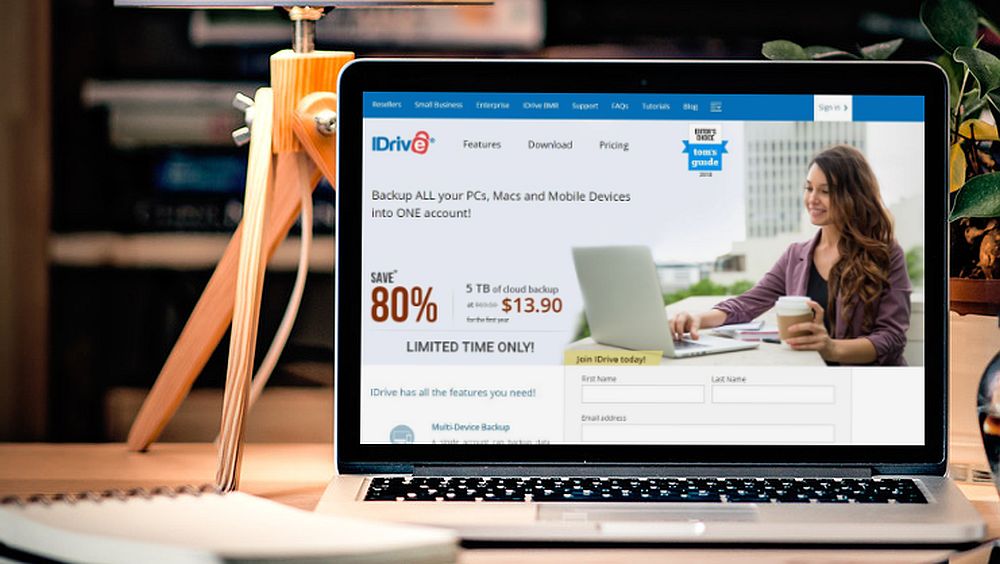
1.IDrive is the best cloud storage provider IDrive, the cloud storage veteran, delivers tons of storage online for an incredibly small outlay. 5TB for $3.48 for the first year is unmatched till now and so is the support for unlimited devices and the extensive file versioning system available. View Deal
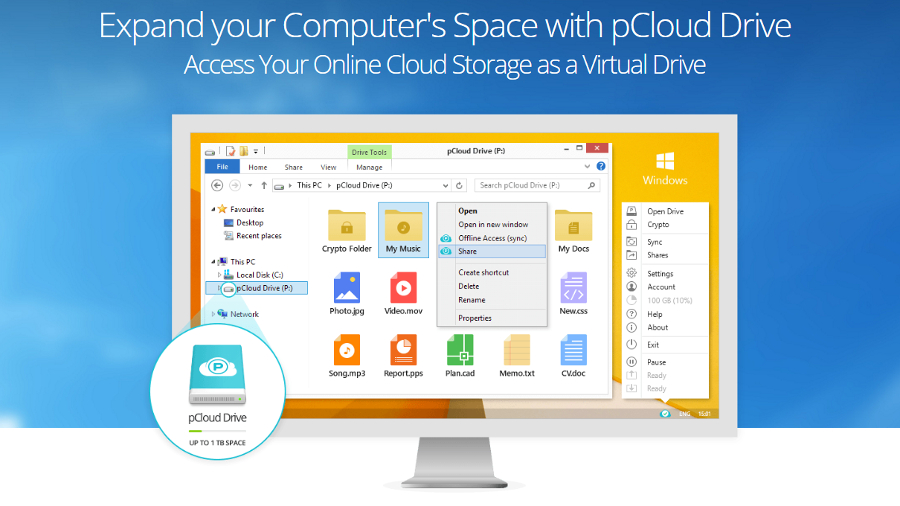
2.pCloud provides a lifetime cloud storage subscription The Swiss-based company is more expensive than the competition but the one-off payment means that you won't have to worry about renewal fees that can be very horrendously expensive. $350 for 10 years is less than $3 per month.
Free tier: 5GB | Storage size: 5TB | Number of devices: Unlimited
Fast and capacious
Easy to use
Good Security
No two-factor authentication
IDrive offers continuous syncing of your files, even those on network drives. The web interface supports sharing files by email, Facebook and Twitter. Cautious or click-happy users will be pleased to hear that files deleted from your computer are not automatically deleted from the server, so there's less danger of removing something important by accident.
Up to 30 previous versions of all files backed to your account are retained. Another thing to note is that IT admins have access to the IDrive Thin Client application, which allows them to backup/restore, manage settings, and more for all their connected computers via a centralized dashboard.
For photos, you have a neat facial recognition feature that helps you to automatically organize them as well as syncing them across all your linked devices. IDrive also offers IDrive Express which sends you a physical hard disk drive if you lose all your data, allowing for the swift restoration of all your backed up files.
An enhanced version - aptly named IDrive Business - exists and offers priority support, single sign-on as well as unlimited users and server backup. While IDrive Personal offers 5TB or 10TB per user, their professional counterparts get between 250GB and 12.5TB of online storage.
EXCLUSIVE IDrive 5TB plan |$69.50$3.48 for 1 year | 95% off $69.50 may seem a bit expensive for a year's worth of cloud storage but $3.48 for a whole 12 months is ridiculously cheap. Not to mention 5TB should go a very long way in covering even the most demanding storage needs. View Deal
Free tier: 10GB | Storage size: 2TB | Number of devices: 5
Affordable
Elegant, intuitive interface
Simple to use
No collaboration tools
pCloud is one of the very few cloud services that offer lifetime subscriptions; you essentially get a virtual, permanent cloud drive. It describes itself as a "personal cloud space where you can store all your files and folders. It has a user-friendly interface that clearly shows where everything is located and what it does."
pCloud comes with 30-day trash history and unlimited remote upload traffic (you only need the URL of the file); you are - as expected - limited on the download link traffic: 500GB for the Premium package and 2TB for the Premium Plus package every month.
While some bandwidth limits apply, there seems to be no limit to the size of files you can upload, so feel free to sync large media files. The service is available for all desktop and mobile platforms – users can also log in via the website.
Note that as of August 2020, pCloud now allows its users to choose where they want their data to be stored, either EU or US. The company itself is registered in Switzerland which has strong privacy laws and you can also pay a premium of $4.99 a month for pCloud Crypto to lock (and unlock) individual files with passwords.
There's also a family option that allows you to share your space with up to four other family members and a superior option - pCloud Business - that offers 1TB per use with pCloud Crypto included.
pCloud 2TB lifetime cloud storage - $350 At face value, you might think pCloud's offering is a little on the expensive side. However, a one-off payment will be cheaper in the long run, because you won't have to worry about outrageous renewal fees. Plus, you can rest easy in the knowledge your data is secured by strong encryption and extensive redundancies.View Deal
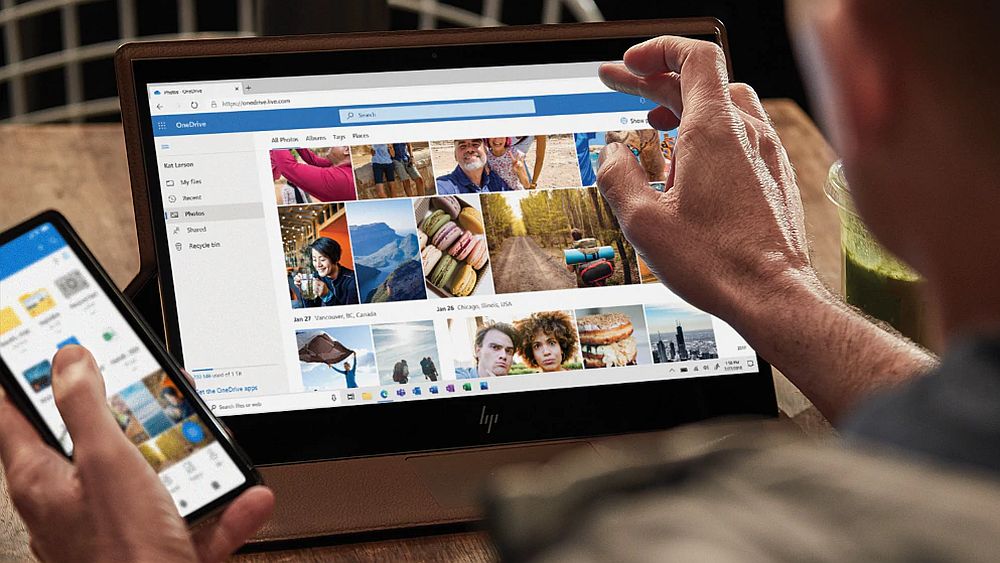
Like Google Drive's appeal to Google users, OneDrive will be a good fit for anyone who is committed to using Microsoft's services, offering neat integration with Outlook.com, the company's popular email platform, for instance.
OneDrive also ties in nicely with Windows 10 and there is a selection of reasonable mobile apps to facilitate access on the move. It's also integrated with non-Microsoft services like design behemoth AutoCAD.
It's possible to share files with other people even if they aren't OneDrive users (complete with customizable permissions), and the ability to edit files online without downloading them is a welcome touch.
Coming from Microsoft – a company with plenty of money to throw at the cloud – it's a little disappointing to find that OneDrive doesn’t include more space free of charge. Free users get a mere 5GB of storage, although it's relatively inexpensive to increase this to 100GB.
If you have Microsoft 365 (formerly known as Office 365) either through your work, educational institution or private purchase, you'll automatically get 1TB of space per user for free with an option to boost it up. Just bear in mind that this is cloud storage at it simplest with barely any advanced features here.
The Pro version has a dark mode and tighter integration with Microsoft Teams. Note that Microsoft upped the upload file size limit on OneDrive from 100GB to 250GB.
Microsoft 365 Family |$99.99 for 1-year This is the best value for money offer from Microsoft. 365 Family costs only $99.99 per year and provides you with 6TB of cloud storage in all, spread across six separate users. Other than the apps included (Outlook, Word, Excel, Access, Publisher, OneNote and PowerPoint), you get AI-powered creative tools and 60 minutes of Skype calling per month. View Deal
Free tier: 15GB | Storage capacity: 2TB | Number of devices: Unlimited
Generous amount of free storage
Integrated with Android devices
Web interface isn’t the best
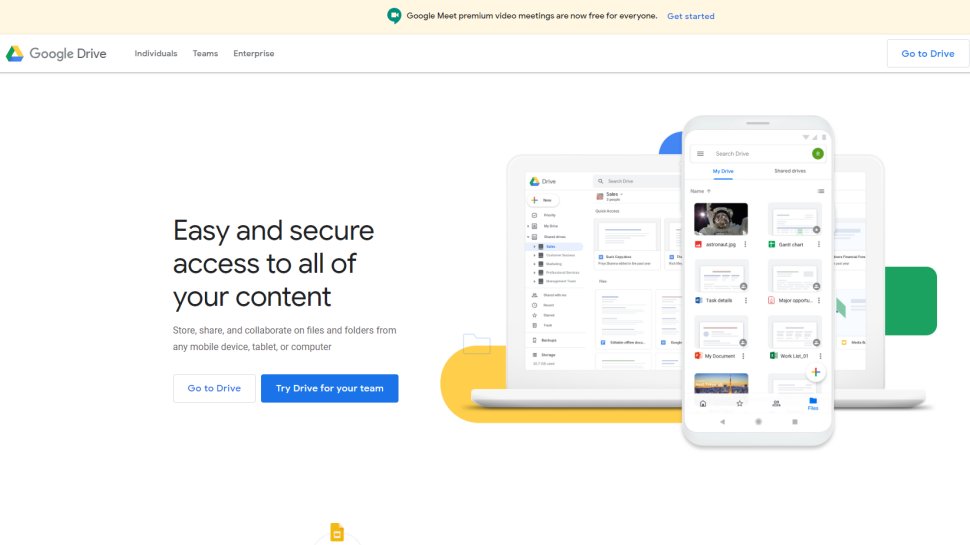
Google Drive is a natural choice for owners of Android devices as it's already integrated, but users of other platforms may appreciate the generous free storage too.
You can also store unlimited high definition photos on your mobile phone with companion app Google Photos, and make use of Google's own office suite (now known as G Workspace). Also, individuals upgrading to paid Google Drive plans will join Google One (although it might not yet be available, depending on the region).
The array of features delivered by Google Drive via One - which ties into Google's Cloud platform - is bewildering and evolves continuously. At the time of writing, Google engineers were rolling out the ability to request approvals for Drive items and lock approved versions.
The 2TB tier - which offers 10% back in Google Store credits - allows the main account holder to invite up to five other additional members and costs $99.99 per year.
Downsides include the fact that the web interface isn't very easy-to-use, although Windows and Mac users can download a desktop app to drag-and-drop files easily. Drive also integrates Google's powerful AI and search technology, probably one of the best in the world.
Google One (2TB) |$99 for 1-year Google offers One as a membership, a quasi-lifetime commitment that's not unlike Amazon Prime. Although you get unlimited storage for your photos (terms and conditions apply), you "only" get 2TB to play with via Google Drive. You can share it among up to six members and Google Experts are only a phone call away should you want to.View Deal
How does cloud storage work?
Believe it or not, the concept of cloud storage has been around for a long, long time. Amazon popularized the concept with its S3 (Simple Storage Service) launched in 2006 but the ability to upload and save files remotely on a service provider's disk drive can be traced back to 1983's Compuserve offer.
At the end of the day, you are simply using someone else's resources (part of whole of a hard drive, a solid state drive or even tape) to store your information.
That resource is usually located in a server housed in a data center (but not always) alongside potentially hundreds of others. The process is done over the internet over a secure connection via a dedicated app or via a web browser.
Almost everyone who has a smartphone or an email address has a cloud storage account of some sort. One might even consider Facebook to offer a limited version of cloud storage to its members as videos and photos can be uploaded free of charge to its servers.
Stay safer online with a Virtual Private Network - discover the best VPN
January 28, 2021 at 09:20PM from TechRadar - All the latest technology news https://ift.tt/36Hvyom
via IFTTT