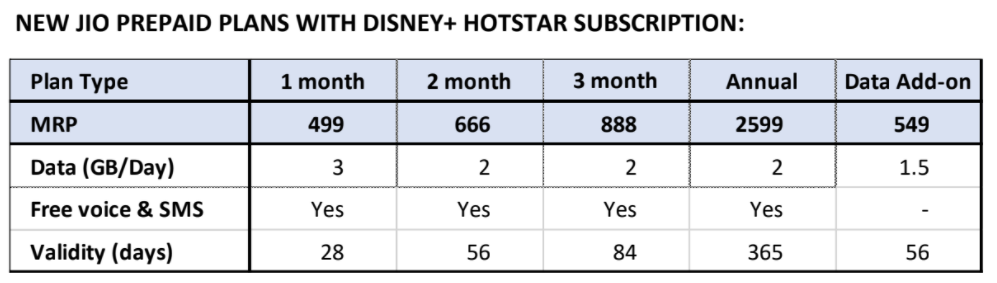
India's largest telecom operator Reliance Jio is offering a new range of prepaid plans that come bundled with unrestricted access to all content on Disney+ Hotstar, starting from Rs 499.
Jio’s new plans, in addition to offering 1 year subscription of Disney+ Hotstar, comes bundled with unlimited voice, data, SMS, Jio Apps and other benefits, a company statement said.
Jio earlier bundled Disney+ Hotstar VIP subscription (access to live sports, Hotstar specials, movies and TV shows and dubbed content in 3 Indian languages) in its plans that started from Rs 401.
The new Jio plans will offer all the old benefits on Disney+ Hotstar plus new library of international content in English language including Disney+ originals, TV shows from Disney, Marvel, Star Wars, National Geographic, HBO, FX, Showtime.
(Image credit: Reliance)
The new plans will be available for recharge from today (September 1, 2021.)
All Jio customers on active Disney+ Hotstar plans will continue to enjoy the existing benefits until their current subscription expires.
Want to know about the latest happenings in tech? Follow TechRadar India on Twitter, Facebookand Instagram!
September 01, 2021 at 06:13AM from TechRadar - All the latest technology news https://ift.tt/3mMywA5
via IFTTT
Standard shared web hosting packages are cheap and user-friendly, but they're also slow, inflexible, and don't have the power or functionality that professional and business users often need.
If you need more than a basic host but can't afford a dedicated server or don't want to deal with the complexity of these beasts, VPS (Virtual Private Server) hosting could be a smart choice.
Buying a VPS plan means that you get your very own virtual server environment. You have full control over the operating system, the extensions and apps you install, and all their settings. Each physical server will still host multiple VPS customers, but not as many as with shared hosting, and typically each VPS will be allocated a share of key resources – RAM, storage space, CPU cores – for their use alone.
This can be easier to manage than you might think. Many VPS plans include standard tools like cPanel to help monitor and configure your site. Some hosts will manage the service for you, monitoring for problems like a crashed service, and fixing them as soon as they're detected.
VPS prices and specs vary from a few dollars a month to hundreds, depending on your requirements. There's a lot of choice out there, but don't panic – our list of five best VPS providers will point you in the right direction.
Exclusive: This cheapest VPS starts from $0.50 per month
Save an incredible 90% on yearly plans. Starts from only $6 per year for one CPU core with 1GB of RAM, 40GB NVMe disk capacity (SSD) and 1TB bandwidth transfer. Note that the offer is applicable for the first year only. For subsequent years, normal charges are applicable.
Hostgator delivers an impressive range of hosting services, ranging from domains to dedicated servers at very competitive prices and backed by a 99.9% uptime guarantee. This applies as much to their VPS hosting as any of their other hosting options.
Hostgator offer three specific VPS hosting plans, starting with the Snappy 2000, which comes with 2GB RAM, 2 cores of CPU, and 120GB of diskspace. The allocations are generous and should accommodate all but the most demanding websites.
An upgrade from that, if required, is the Snappy 4000, which upgrades RAM to 4GB and storage to 165GB. For more demanding sites that don't yet require their own server, you can opt for the Snappy 8000, which comes with 8GB RAM, 4 cores CPU, and 240 GB storage.
Pricing depends on whether you pay monthly or commit to one of their annual plans. For example, the Snappy 2000 VPS hosting plan costs $29.95 if you only want to pay from month to month, but if you commit to a 3-year contract it comes down as low as $19.95 a month.
Additional benefits include a 45-day money-back guarantee, not to mention free transfers for new accounts within the first month after you’ve signed up. There’s lots to like here considering the minimal impact on your wallet, if you're happy to commit.
Bluehost has been around for quite some time and always offered powerful plans for a variety of users, and their VPS range is no different.
You have three plans to choose from, with the cheapest plan starting at $17.99 per month for the first term and $29.99 per month on renewal. That gets you 2 CPU cores (2x Xeon Gold 5220), 30GB SSD storage, 2 GB RAM, 1 TB bandwidth and one IP address. The top-tier plan called Ultimate, gives you 4 CPU cores (2x Xeon Gold 5222), 120GB SSD storage, 8 GB RAM, 3 TB bandwidth and two IP addresses, and it’s priced at $57.99 per month for the first term and $119.99 per month on renewal.
All plans come with a free SSL certificate and a 1-year domain. You also get unlimited subdomains and email accounts, and cPanel is included too. Domain privacy and protection, and SiteLock are categorized as optional add-ons, so you’ll have to pay extra if you need them.
Support is available 24/7 so if you encounter any difficulties you’ll be able to call them at any time of the day. All in all, Bluehost is a capable provider for both newbies and experienced users so they are definitely worth a try.
iDrive is an amazing cloud storage provider and with iDrive Compute, the company has a great VPS offering as well.
There are shared CPU plans and dedicated CPU plans. Naturally, shared is less powerful but more affordable and it’s a good choice if you don’t need too many resources. The least powerful configuration you can get with a shared CPU is 1 CPU, 1 GB RAM, 40 GB NVMe storage, and 1 TB bandwidth. The most powerful configuration available gives you 32 CPU, 64 GB RAM, 1280 GB NVMe storage, and 12 TB bandwidth. The pricing starts at only $6 for the first year.
On the other hand, dedicated CPU plans are more expensive but you get more resources and you’re not sharing it with anybody. Dedicated CPU pricing starts from $48 for the first year, renewing at 480$ per year. The packages range from 2 CPU, 4 GB RAM, 25 GB NVMe storage, and 72 TB bandwidth, to 8 CPU, 32 GB RAM, 480 GB NVMe storage, and 480 TB bandwidth.
The company has servers in over 20 locations, and all plans come with secure backup, user management, block storage, and on-demand snapshots. If you encounter any problems the customer support can be contacted via email, 24/7 live chat, and phone. Unfortunately, the phone support isn’t available 24/7.
VPS poetry? InMotion is certainly a strong provider…
Good hardware
Generous resource allocations
Smart features
Check out a few VPS hosting providers and it's easy to be tempted with low headline rates, but don't be fooled – companies use a range of tricks to keep their charges down.
The hardware specs of a starter product are often kept unrealistically low, for instance, to keep the price right down. Important items – backups, cPanel – may be expensive extras. And even then, the headline rate may only apply if you pay for two or three years upfront, increasing dramatically on renewal.
InMotion Hosting is refreshingly different. Its baseline VPS 2GB plan has a special 6 month term price of $17.99/mo! The product has a better specification – 2GB RAM, 45GB SSD storage, 4TB bandwidth, 1 dedicated IP – than some high-end plans from other providers, backups and a cPanel licence are included for free, and there's a 90-day money-back guarantee.
A recent VPS refresh from InMotion Hosting brings dedicated CPU cores to their VPS plans. The 2GB VPS offers two full CPU cores with options ranging up to 14 Cores!
Welcome bonus touches include a feature called Launch Assist, which essentially means you get two hours of free time with one of InMotion's server administrators. Whether you need to change domain settings, configure cPanel, migrate WordPress or database files, they can help you get the job done.
Put it all together and you're getting a very capable set of VPS hosting plans. If you'd prefer a package that comes with unexpected surprises, rather than hidden catches, we'd give InMotion a try.
Some VPS hosts focus on first-time users, others go for big business, but Hostwinds does its best to appeal to everyone. This means offering both managed and unmanaged plans.
Additionally, along with support for the usual Linux variants – CentOS, Ubuntu, Fedora, Debian – you can choose Windows Server 2008, 2012 or 2016 for only a $5 a month premium. That's very good value, and if you're more familiar with Windows than Linux, it could save you from lots of management hassles later on.
Managed Linux VPS plans start from $8.24 for 1 core and 1 GB RAM, which is a little low but decent for starter websites, with plans increasing resource allocations at a reasonable pricing rate.
For unmanaged Linux, plans start from just $4.99 for the same 1 core and 1GB RAM spec. However, there are far more VPS hosting plans available for unmanaged Linux, with the top tier offering as much as 16 cores and 96 GB of RAM.
Windows plans follow a similar pattern, though for managed VPS with a single core and 1 GB RAM pricing starts a little more at $12.74. Unmanaged options are similar in terms of specs to the unmanaged Linux, though pricing again is a little higher at $10.99 a month.
Whichever you're after, Hostwinds offers plenty of choices.
An outfit that focuses on quality, albeit at a cost
Top-notch configuration options
Quality service and support
On the expensive side
Liquid Web is a premium web hosting provider which has been offering top quality managed solutions for more than 20 years, and now handles 500,000 sites for more than 32,000 customers worldwide.
The company doesn't try to beat the competition on price, instead focusing on delivering comprehensive products which will deliver quality results.
The cheapest Liquid Web plan may cost $59 a month (you can reduce that to $15 a month by paying for 2-years), for instance, but that gets you 2GB RAM, 40GB storage, a very generous 10TB of bandwidth, and 100GB backup.
There are lots of configuration options. Instead of just telling you that you're getting CentOS 7, Liquid Web allows you to select CentOS 6, Debian 8, Ubuntu 14.04 or 16.04, and often with multiple options of their own: cPanel, Plesk, CloudLinux and more.
This is a managed product, too. Liquid Web fully supports the base operating system, and the support team will proactively restore failed services as soon as they're detected. Getting a managed VPS with other providers could cost you an extra $30 a month, or more.
If your VPS still has issues, there's speedy 24x7x365 support from knowledgeable professionals who will do their best to solve your problems at speed.
Liquid Web may not have the most appealing headline prices, but it's still cheaper than many others considering the features you get, and the excellent support will help keep your site running smoothly down the line.
The pandemic has changed a lot in the business world, with many companies moving to partial or full remote working. With that, their needs are changing - office space is out, and technology to operate from anywhere is in - especially when it comes to business laptops.
The business laptop used to be a means to an end, accompanying and assisting an employee on any given task. Now, the business laptop provides any given employee with a connection to their entire organisation, and is often the only way to get work done.
When searching for the right laptop to fill every need presented throughout the workday, you’ll need to consider a number of key items. Although not exclusive, we think these are the main features that should be taken into consideration.
Three main operating systems are dominating the laptop world right now - Windows, Linux and MacOS. While all have their pros and cons, they both get the job done, and for the average employee, there may be no right or wrong answer, although for some industries, and some specific job roles, one may be a necessity.
The choice can come down to which operating system integrates best with the workflows and applications you utilize the most. For insurance, medical firms may see Windows as the better option due to its software capabilities - whereas for creative fields, such as video editing, photography, music creation, and so on, MacOS is often the preferred choice.
Depending on what tasks, applications, and workflows are being tackled, processing power is another vital consideration when finding the right business laptop. If workers are simply performing Google searches and occasionally typing a document, an entry-level, cheaper laptop can be an ideal solution. However, if 4K video editing, music production or image rendering is required, the processing demands can rise dramatically.
One thing that is always wise in purchasing technology that will be relied upon for work of any kind is to buy with the future in mind, if possible. In practice, this means buying a computer that will last some time and potentially support future software updates, as software often outpaces hardware, and eventually most software will not be supported on dated hardware.
No matter what work is being done on a business laptop, it’s important to make sure that there is enough internal storage to house the activity. If you do need a boost, there is always the option of external hard drives or cloud storage through any number of providers (Google Drive, Box, Dropbox, OneDrive, iCloud, etc.) - although this can take longer to find and work on files, and the time to load, save and edit can also be affected depending on the type of external storage used.
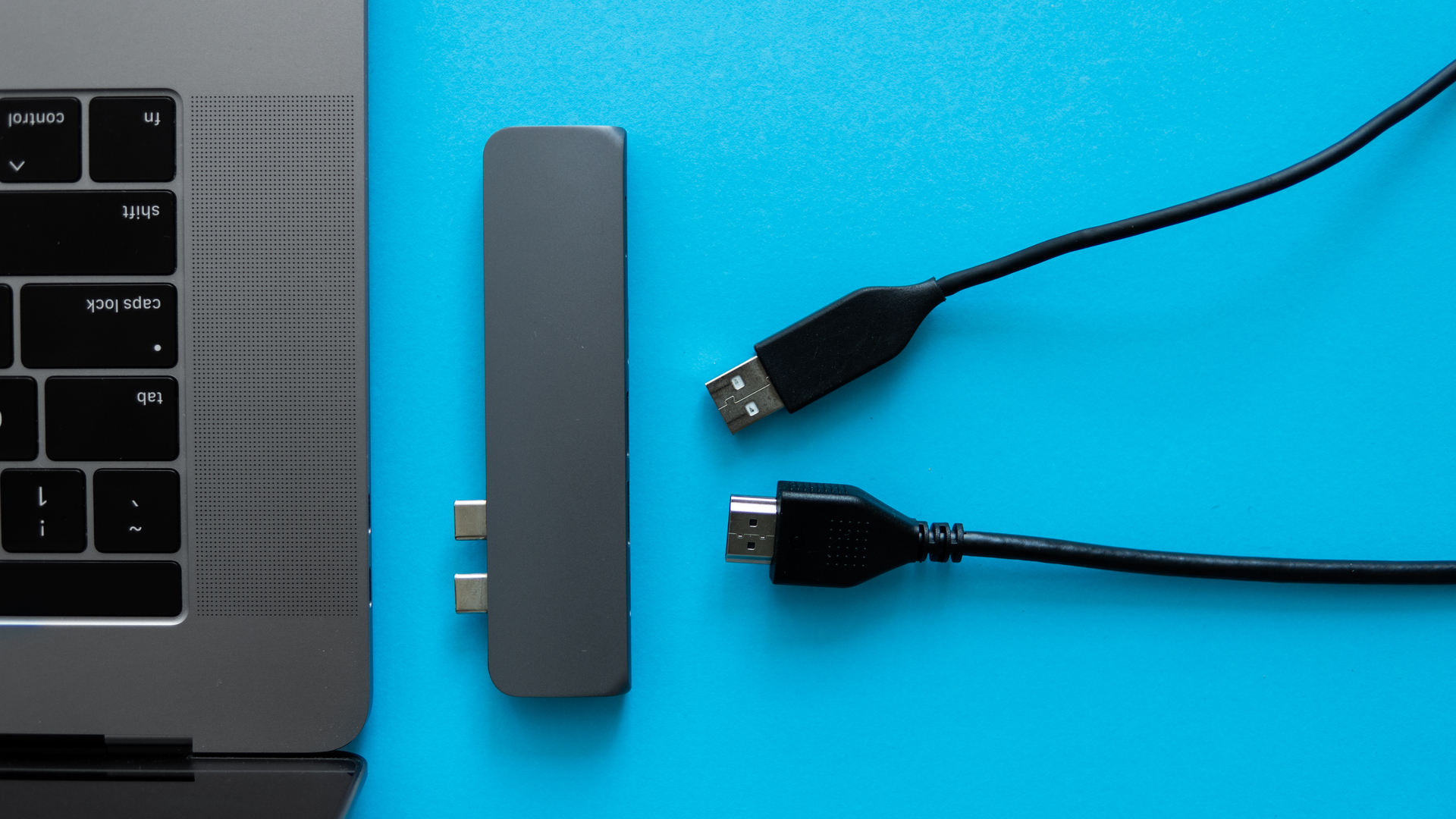
The amount of laptop connectivity options can vary drastically, as some laptops pack just a singular USB-C port, whereas others have a wide array of ports available. Once again, keeping in mind what workflow will be utilized with a laptop can help in the decision-making process for what device to get. If you will not need a lot of peripherals plugged into the laptop, a single USB-C (or similar) could be ideal . However, for those job roles that demand the likes of a full size HDMI output, SD card reader, USB-A ports, and an Ethernet port, this will alter the type of laptops to consider.
One thing to keep in mind is that with the rise of USB-C, Thunderbolt 3 and Thunderbolt 4, the expansion via a singular USB-C (or Thunderbolt) port is nearly limitless. Where an HDMI port can only ever be an HDMI port, USB-C (Thunderbolt) can be video or audio out, power and Ethernet in, data transfer, and more. In many cases, all of this can be run via one USB-C (Thunderbolt) port utilizing dongles, hubs, and/or adapters, making it ideal for a range of work purposes. All this, while keeping the clutter down to a minimum.
As the business world changes working conditions, the future of laptops will have to adapt as well. Now, one of the most frequent and common things that any individual working remotely does throughout the workday is take part in virtual meetings. This requires a camera, a microphone, and speakers. Speakers have been a focus of laptops in the past, but the camera and microphone have always just been adequate. The next wave of laptops are going to need to make the integrated camera and microphone a priority to appeal to the next wave of customers — remote workers. And, if the camera is being upgraded, may as well make the laptop able to unlock with my face.
Regardless of the laptop, every worker is going to have to find the right solution for them. A data processor is going to have different needs than someone who edits movies on their laptop.
Labor Day is less than a week away, and we've spotted an early deal on Apple's powerful iPad Air 4. Right now, you can get the 2020 iPad Air on sale for $499.99 (was $599). That's a massive $100 discount and the lowest price we've seen for the 10.9-inch tablet.
Today's best iPad deal
iPad Air 4 (64GB):$599$499.99 at Amazon
Save $100 - Amazon has the iPad Air 4 on sale for $499.99 - that's the lowest price we've seen and $20 less than Prime Day's best-ever deal. The 2020 iPad Air tablet comes with 64GB of storage and includes Touch ID, Apple Pay and provides up to 10 hours of battery life.
The iPad Air 4 features a stunning 10.9-inch Liquid Retina display, an impressive camera system, and Touch-ID for secure authentication. Perfect for students, the versatile iPad delivers more power than most laptops thanks to Apple's A14 Bionic chip, which allows you to run the latest apps and stream high-quality video. You're also getting 64GB of storage, Apply Pay, and an impressive 10 hours of battery life.
While we've recently seen Amazon drop the iPad Air to this record-low price, we typically don't see all colors on sale as we do with today's deal. As of right now, Amazon has all colors in stock, so we recommend taking advantage now before it's too late.
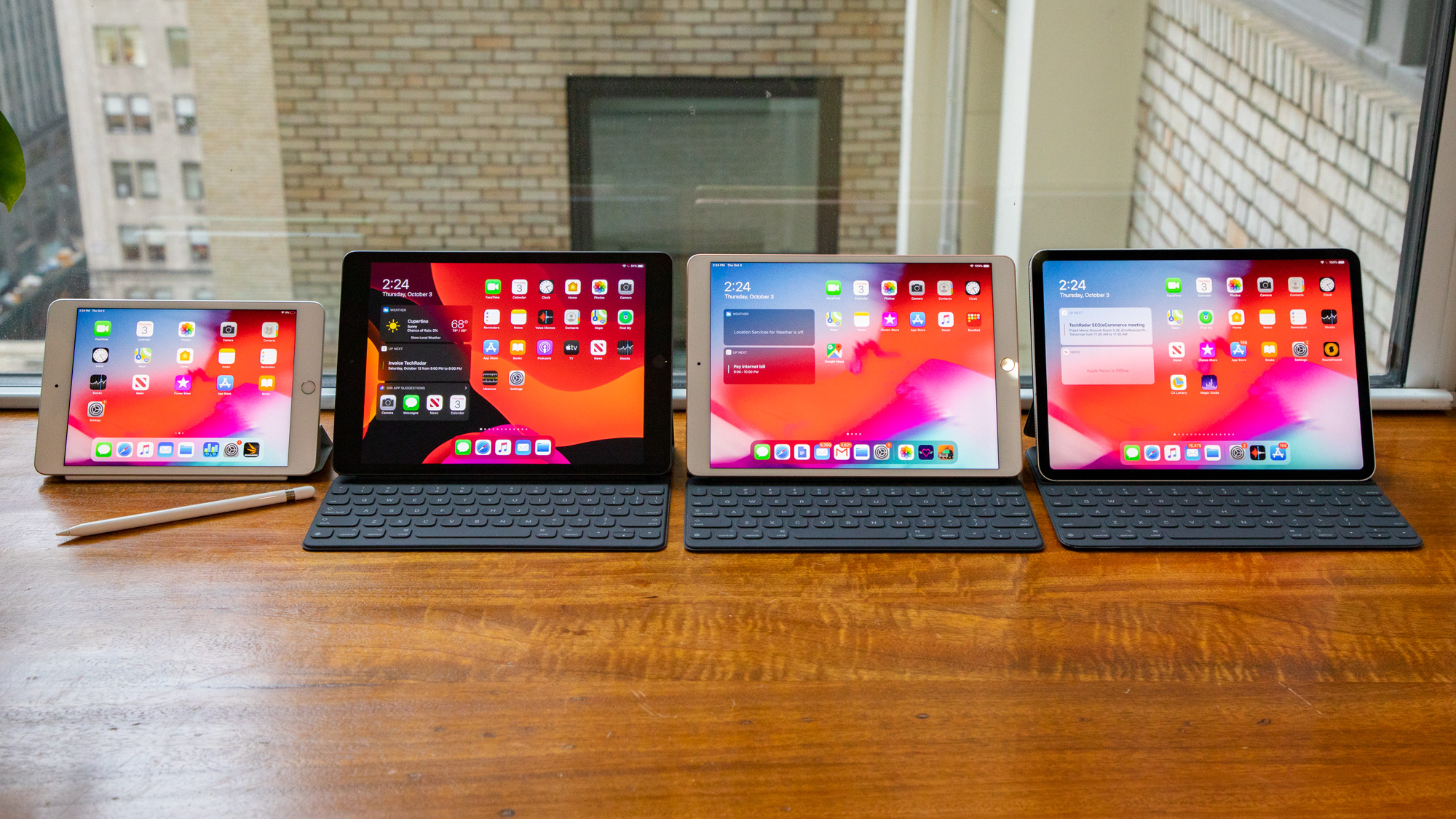
Going by past years' performances, Apple will likely debut its new entry-level iPad alongside the iPhone 13 at an event in September. Rumors point to that event taking place on the 14th of the month, so that's our current best guess as to when we could see this device.
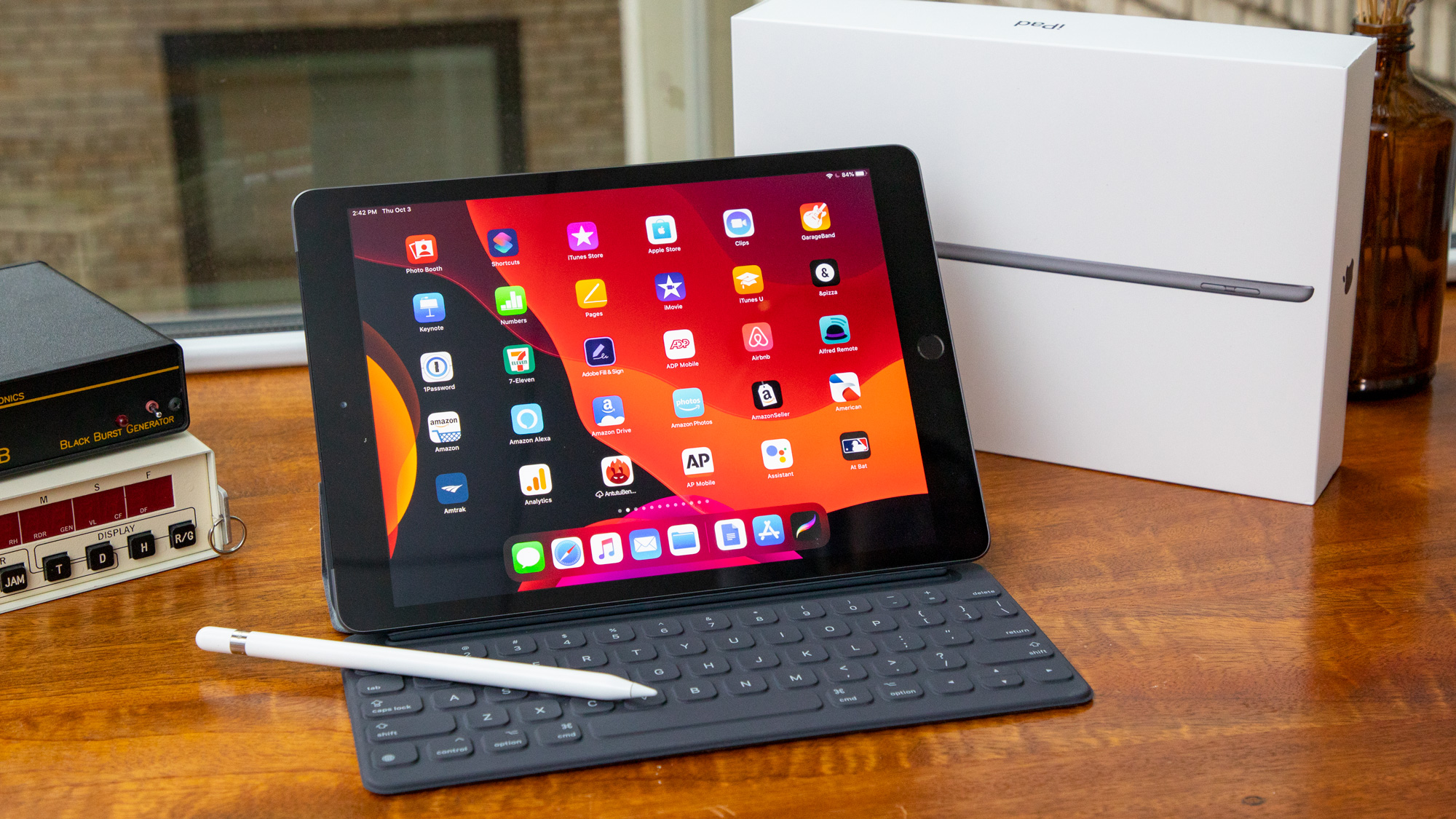
This isn't the first new iPad of the year, with the Spring Apple Event in April 20 bringing us the new iPad Pro, but this article is about the opposite of that pricey device. The entry-level iPad is the low-cost mid-size slate that most people end up picking up when they're looking for a new iPad.
This is the follow-up to the iPad 10.2 (2020), but we don't know how big it'll be, which is why we can't call it the new iPad 10.2 (2021) just yet. We're also expecting to hear about an iPad Mini 6 sometime soon, and possibly an iPad Air 5, but that's less likely.
And while the new iPad (2021) is likely a way off, we have an idea of what to expect from it, as the screen size, the processing power, the price and more details have leaked already - as time goes on, we'll likely hear even more.
Below, we've included all the details we've heard about the new iPad, to paint the current picture of the slate.
Before even more information comes out, we've also written a wish-list of all the changes we want the next iPad to make on its iPad 10.2 (2020) predecessor to make it a worthwhile upgrade.
How much will it cost? Apparently only $299 (roughly £220, AU$400)
New iPad (2021) release date and price
At the moment, September or October 2021 is our best bet at the new iPad's release date, likely alongside the iPhone 13 and Apple Watch 7. Reports suggest there will be a launch event on September 14 which seems a likely bet for the iPad launch, though that's just a rumor for now, and the release date will likely be in the following weeks anyway.
An iPad price leak suggests it could be the cheapest iPad we've seen so far, suggesting the slate could cost just $299 in the US, which converts to about £220, or AU$400.
That's only a touch cheaper than previous lower-end iPads - the iPad 10.2 (2020) cost $329 / £329 / AU$499, so only a tiny bit more - but some may appreciate the lower price.
Elsewhere we've heard that the price will be "consistent" with previous models, which the leak above more or less would be.
The first iPad (2021) rumor we heard suggested it'd come with the A13 Bionic chipset which we saw in the iPhone 11 phones, alongside 4GB RAM. The leak also suggested the tablet will have a 10.5-inch screen, 0.3 inches bigger than its predecessor.
It also said that it'll have 64GB storage in its most affordable variant, which would be a big step up from the 32GB currently available on the standard iPad.
Finally, that leak detailed the design, but it mostly sounds like the previous iPads with a Touch ID home button and big bezels.
A second leak repeated all this information, adding the pricing details we covered above. It also suggested the iPad's body will be thinner and lighter than that of the tablet it's succeeding.
The rumors of it being thin are coming thick and fast, as another rumor suggested as much, adding that the tablet will be designed with students in mind.
What we want to see
Here's a list of features we want to see in the next entry-level iPad (2021), including changes from previous models, extras from other iPad lines, and brand-new features for this model.
1. High resolution selfie camera
If you go to take a selfie with the iPad 10.2 (2020), or jump on a video call, you might find yourself looking a little grainy. That's because the tablet only has a 1.2MP front-facing camera, which is pretty low resolution.
Now a tablet doesn't need a super-high-res selfie snapper - you're probably going to take better-looking snaps with your phone, and if you want a professional portrait, a tablet isn't how you're going to do it.
Even still, 1.2MP is very low, and we feel Apple could bump that up to 8MP or so for improved selfies and video calling.
(Image credit: Future)
2. A big design change
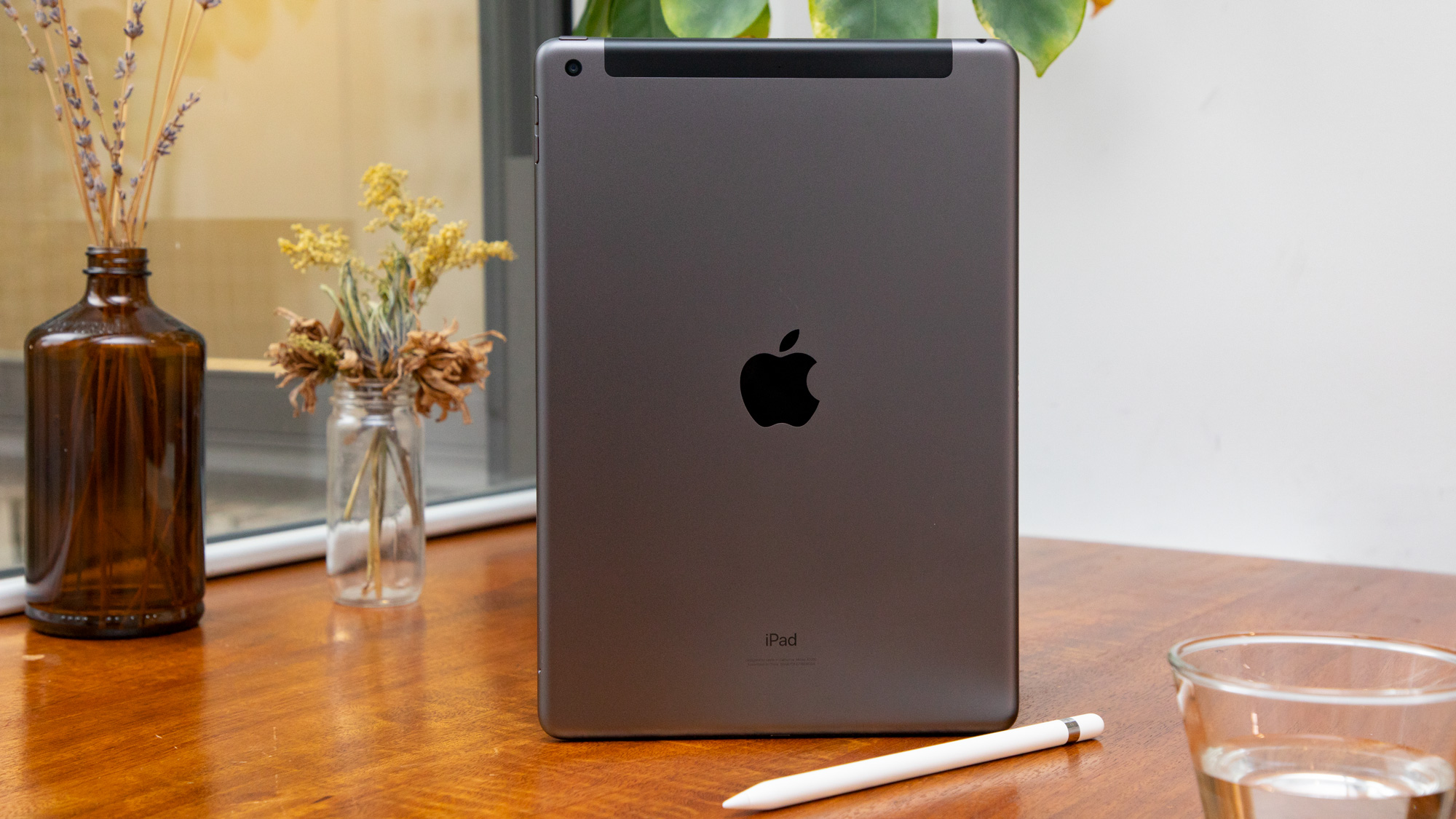
The 'main' iPad line has not fundamentally changed its appearance ever since the original debuted, over 10 years ago. The iPad 10.2 in 2020, the eight-gen model, looks positively outdated, even compared to affordable Android tablets, and the existence of more futuristic-looking iPad Air and iPad Pro models has done little to offset this.
The entry-level iPad line is well due a design upgrade, much like what the iPad Air 4 had, though we're not asking for an exact design replication. We just want a new entry-level iPad that feels modern in the hand, and is easily discernible from its myriad predecessors.
3. More storage space
Why do most smartphones have at least 128GB storage, yet Apple still sells tablets with only 32GB? In the modern age where people download games, movies, TV shows, music, work documents and more, that's just not enough.
Sure, you could opt for a higher-storage option, but the 2020 iPad only came in 32GB or 128GB options - a tiny amount, or a fair amount, but that might not be enough for some people who want to download loads of content. iPad Pro models come with up to 1TB or 1,000GB, after all.
4. Faster charging
(Image credit: Future)
Most entry-level iPads come with 10W charging, which is about as fast as a melting glacier. Even though the 2020 model came with 20W charging, that's still pretty slow, and it can lead to a slate taking a while to charge.
Apple products have never been good with battery life or fast charging, but we'd like the company to step up its game just a little bit. This would be helped with our next point...
5. A USB-C port
...a USB-C port is something we're scratching our heads over why it's not used in all iPads yet. Though iPad Pro models have them, and the newest iPad Air does too, Apple's entry-level and Mini series of iPads have so far stuck with the inferior Lightning port.
USB-C cables are much faster for charging than lightning, and have quicker data transfer too. USB-C is much more common for cables, so if you had an iPad with it you could use it with all your cables and gadgets that also use the standard, and the physical jack itself is just way more durable than a flimsy Lightning connector.
Apple likely uses Lightning Ports still as that's its proprietary tech, so it makes more money off selling you its own chargers and accessories instead of you buying cheaper third-party ones. But given how slow and flimsy they are, Apple can't keep dragging its boots with this antiquated technology forever.
It was in May last year that India and China engaged in a border skirmish that had its echoes in the economic firmament of both countries. The federal government in New Delhi curtailed Chinese investments in India and blocked mobile apps with even a remote connection to Beijing (260 Chinese apps) citing threats to sovereignty.
What began as an offshoot of a military skirmish morphed into a campaign that was fuelled by a Make-in-India slogan. A slew of Indian applications hit the market in the subsequent months serving as a launchpad for many more. There was Fau-G, Koo, Leher, Zoho Doc Scanner and ShareChat to name a few.
What it also meant was that several prominent mobile apps got booted out, in spite of the fact that they were hugely popular with the audience in India. Apps such as PUBG and TikTok boasted of more downloads and users in India than in their native country or in any other geography.
Where are they now?
More than 12 months down the road, most of these apps continue to be banned in India. However, a few have made a comeback, either in a new avatar or claiming new parenthood. Take the case of Battle Grounds Mobile India, which happens to be the old PUBG in disguise.
And then there were others such as TikTok that made repeated valiant attempts to relaunch with telecom and digital retail brands like Jio and Airtel. They even changed the parent entity to discard the Chinese connection. However, the plan did not pass muster with the Indian regulators.
On the face of it, India's response was termed as overly aggressive by some and necessary by others, given the ferocity of the border incursion and the casualties that it caused on both sides. However, what is also true now is that in recent months the border has become calmer and so have tempers in New Delhi.
Information available with TechRadar through conversations with senior officials in the federal government indicates that the Chinese companies are now seeking new means to reappear on the mobile screens of Indian users. They are either coming up with fresh investments or announcing new products to lure the market.
A Times of India report states that post-Covid, the user base of Chinese apps has grown multi-folds in the country. Apps like PLAYfit, Mast music status, Mivi, Resso, Tiki, Zili etc are some of the apps that have seen tremendous growth, adding over 115 million users compared to the 96million users that they had when the ban was placed on other apps.
Hidden Chinese connections
To keep the anti-Chinese sentiment at bay, these companies have made conscious efforts to keep their Chinese ownership under wraps. It is only after putting in some effort and connecting various dots that the original ownership of these applications could be established.
And it is quite obvious that some of these apps are owned by entities that still stand banned in India. Take the case of Resso, which has Moon Video Inc. listed as owner. What is left unsaid is that this entity is owned by Bytedance - the same entity that owns TikTok. That TikTok India's India head moved to Resso is also a dead giveaway.
However, the modus operandi isn't what it was a year ago. Media and entertainment is the current flavour with China, given the immense reach it gives them. Then there is micro-finance that Chinese companies appear to chasing as a vertical.
Recently, Google, following directives from RBI, banned several Chinese apps that were providing easy loans under vague terms and conditions. This resulted in users agreeing to exorbitant interest rates and policies that were designed to harass the users, the officials said.
Yet another high-profile example in this regard is the Singapore-based Shopee - an eCommerce platform that has steadily set up a strong base in India. It is owned by the Sea Group, a company that also owns the Garena Free Fire game. It has the backing of Chinese conglomerate Tencent with major control in its decision making.
Anti-China or pro-India?
When the federal government banned Chinese apps, the nationalistic sentiments were at an all-time high and India's actions were seen as anti-China, especially in the backdrop of the military skirmish. Curbs on investments from China also meant that they lost government and private contracts with the likes of Huawei and ZTE getting kicked out of the 5G infrastructure development project.
However, today the official stance appears to have changed. Government officials are holding the view that action around any new mobile apps would be taken only in conjunction with the security agencies, who would first need to sign off on the data security of these applications.
In the past 12 months, the government has also announced comprehensive data security and protection policies. The apps that were banned were perceived as a direct threat to India's sovereignty and integrity as they were seen to be collecting user data including location, contact information, phone data etc.
The data collected via these means can be used for snooping – another allegation that the Indian government levelled when it banned the Chinese apps initially, the officials said while underscoring the need for security sign-offs on any new app that comes to the market and has even a remote Chinese connection.
However, what is still unclear is how the government would tackle the ownership issues as evident from the Shopee example. In spite of its #VocalforLocal hashtag and repeated articulation of making in India as a panacea for economic growth, the fact remains that these apps are supplying goods from Chinese warehouses.
Which obviously then raised the moot question - were the Chinese apps dangerous or was it just use to create a smokescreen of nationalism to arm twist companies who saw a large market in India.
It may take a few more months before the scene clears itself out when government formally brings forth the new data security norms as an Act of Parliament.
At the risk of aging ourselves, Back to School prep in our day meant a trip to the stationery store for supplies, with the most technologically advanced item on the list being a calculator. Today, chances are your electric toothbrush is probably smarter than anything we had in our rucksacks. Not that we’re jealous or anything.
Thanks to advancements in tech which have come on leaps and bounds, essential items like laptops are now slimmer, faster, and better than ever, providing the ultimate learning and entertainment tools for today’s modern students.
There’s a giant, confusing world of options out there though, and sifting through all the specs, numbers and models practically requires a PhD in itself, which is where AO.com comes in. Handily sorting through all the noise to pick only the best ranges of laptops, the online retailer’s hand-picked selection will make your Back to School laptop purchase decision an absolute breeze.
Here’s a selection of some of the best deals around to help reach the lofty grades you or your children deserve - and the great news is, if you trade in your old working laptop, you’ll get at least £100 guaranteed cashback.
HP Pavilion: best for creatives
HP’s Pavilion range has everything a budding student needs to achieve their goals, including powerful processors for slick and effortless multitasking. Take the HP Pavilion 15-eg0032na — a 15.6-inch laptop with an 11th generation Intel Core i3 processor, 256GB of storage for files, 8GB of RAM, Bang & Olufsen-tuned speakers, and a Full HD touchscreen.
The latter makes it an ideal choice for creatives and note-takers alike, adding extra flexibility to your arsenal, while the processor’s power means you can comfortably bash out an essay while listening to music or watching a stream in the background without anything slowing down.
Despite all that tech it still manages to offer an impressive eight hours of battery life which should easily see any student out through a day’s work (or, of course, Netflix binging in some well-deserved downtime). Not only that, but a magical fast-charge feature means it’ll juice up from 0-50% in an incredible 45 minutes, so you’ll never be left in the lurch if you’ve forgotten to plug it in overnight. And at just £549, you’ll have more budget left over for accessories or app subscriptions too, with the confidence that your shiny new laptop will be able to handle them all.
You can find the HP Pavillion 15-eg0032na and the entire HP Pavilion range today at AO.com.
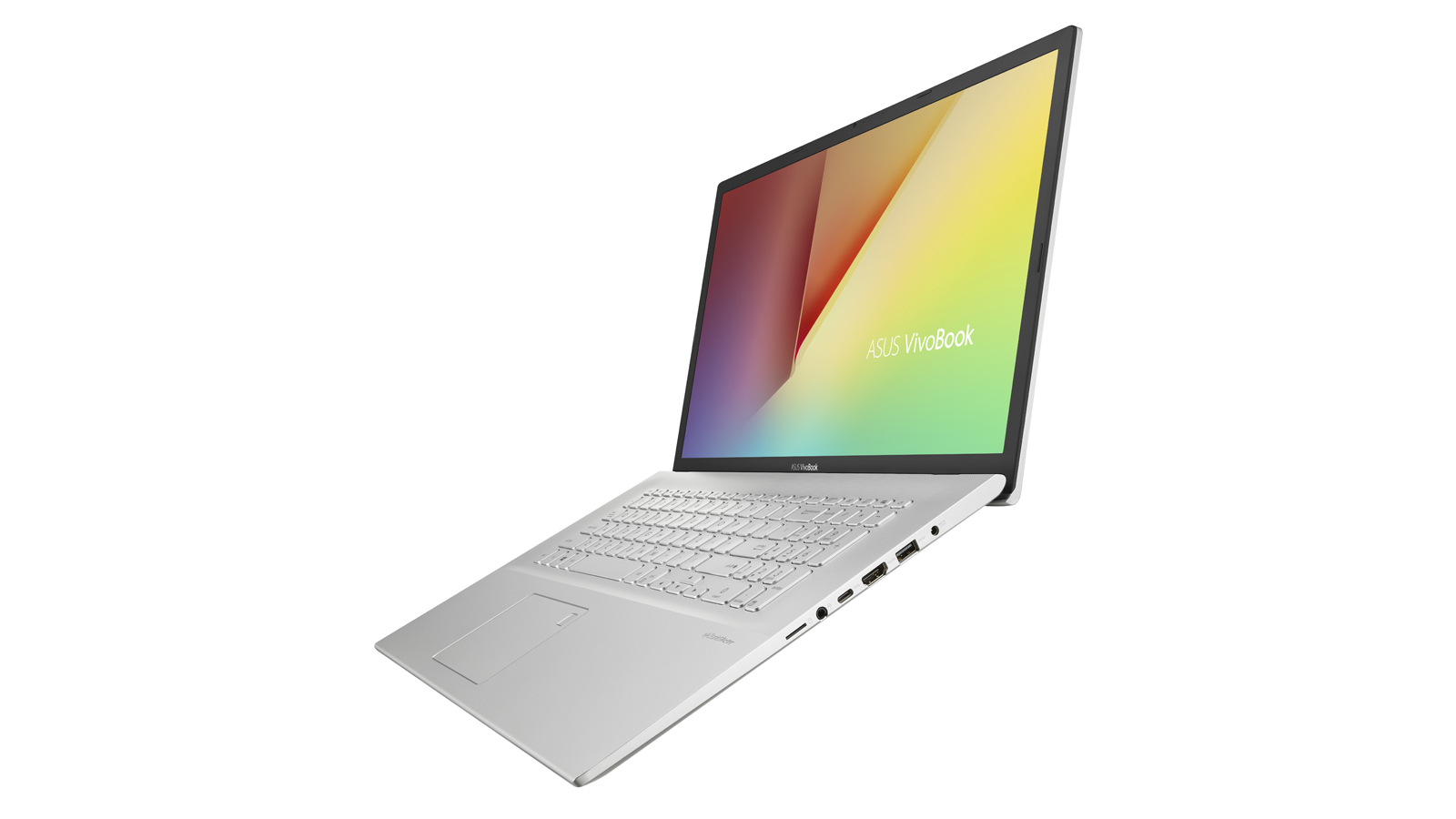
Asus Vivobook: best for big screen fun
(Image credit: HP)
If you'll be spending all of your time typing and browsing as opposed to designing and scribbling, you're probably better off saving a little cash and going for a laptop without a touchscreen. Enter the Asus VivoBook range.
Vivobooks are designed to be ultra-portable, so from working in the day to watching movies and casual gaming at night, their lightweight design and great battery life are sure to come in handy. They offer a heck of a lot for very little.
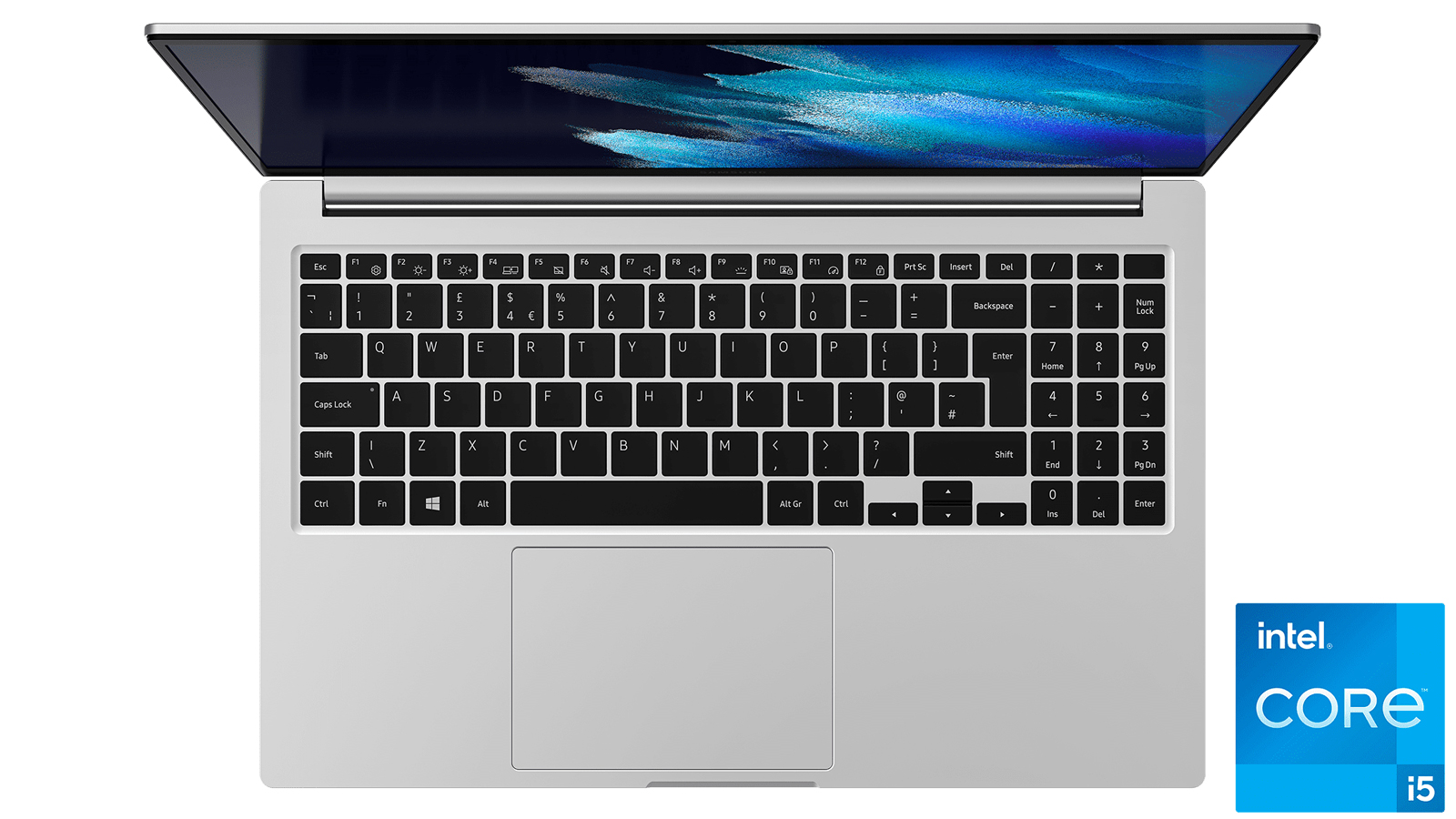
Those looking for the ultimate combination of power and portability need look no further than the Samsung Galaxy Book.
Offering style, performance and connectivity, Samsung Galaxy Book laptops are powered by Intel, meaning they also are speedy and reliable. If that’s not enough, you can also save up to £100 on Samsung Galaxy Book laptops at AO.com.
One to watch out for is the Samsung NP750XDA-KD2UK. Despite packing a generous 15.6-inch Full HD screen, this powerhouse weighs a mere 1.6kg - which is probably less than most of your textbooks, making it an ideal choice for students who are always on the move.
Given its portability you’d be forgiven for thinking that it lacks power, but you’d be wrong. The Galaxy Book is powered by a beastly 11th generation Intel Core i5. Coupled with 8GB of RAM, you’ve got enough power at your disposal to run multiple apps/tabs simultaneously, watch movies, play some games, and more. Its built-in Dolby Atmos speakers also mean that your ears will be treated to a loud, clear, and spacious listening experience each and every time.
If that wasn’t enough, it’s Intel Evo certified too, which means a bunch of clever hardware optimisations take place behind the scenes to ensure a full day’s use without scrambling for the plug socket, along with a handy Instant Wake feature which gets it ready for action in under a second from sleep mode. With three USB ports (including USB-C), a Micro SD slot and an HDMI port, it’s got all the connectivity options you’re likely to ever need to boot.
AO’s easy setup
Life’s hard enough as it is without faffing around setting things up. Thankfully, AO.com can help you easily get started with your laptop with a free remote set-up service with Windows devices, which guides you through all the steps you need to get up and running over the phone.
From connecting you to Wi-Fi to customising settings, installing software and connecting accessories, you’ll be good to go in no time.
Plus, AO has a price match promise if you find a model listed elsewhere for cheaper, offering 7-days a week delivery - whether it’s next-day or flexible bookings made to suit you.
With over 240k 5-star Trust Pilot reviews and free 100-day returns, too, AO hopes to take the risk out of ordering online.
Whatever laptop you choose, with at £100 guaranteed cashback when you trade in your old working device, you’re set for another great year of school when you shop computing at AO.com.Our personality: We are reliable, brave, full of beans and always with a smile
from TechRadar - All the latest technology news https://ift.tt/3yrL41L
via IFTTT
Instagram, which recently brought in new features to make things safer for youngsters on the platform, is taking more steps in that direction. It will now ask the users who’ve not previously entered their date of birth to do so in the app. This will help “create safer, more private experiences for young people” on Instagram. Those not complying will lose access to the platform.
But don't plan to cheat. For, Instagram will know. Or so it says.
At the time of log-in, users will be prompted to add their respective birthdays in case they haven't already. Apparently, there'll be many prompts to enter the birthday before users are locked out of their account.
Explaining the rationale behind such a demand from it, Instagram said in a blog post, "This information also allows us to personalize your experience, for example, we can apply recent changes we made to restrict advertiser targeting options for audiences under the age of 18, to more people. It also helps us show you more relevant ads."
It also said this info helps in crating new safety features for young people, and provide the right experiences to the right age group.
Recent changes that Instagram has brought about include preventing adults from sending messages to people under 18 who don’t follow them, and making default new accounts belonging to people under the age of 16 into a private setting.
But you can't lie and get away
Instagram will also flash warnings on age-sensitive posts. These warnings aren’t new, as they were previously seen on sensitive or graphic posts. But now users will have to provide their birthday in order to see them if they had not already shared it.
But beware, users can't get away by giving false info. Instagram will put to use artificial intelligence to estimate how old people are based on a variety of things. "In the future, if someone tells us they’re above a certain age, and our technology tells us otherwise, we’ll show them a menu of options to verify their age," it said.
Want to know about the latest happenings in tech? Follow TechRadar India on Twitter, Facebookand Instagram!
August 31, 2021 at 06:38AM from TechRadar - All the latest technology news https://ift.tt/3sYhpw6
via IFTTT
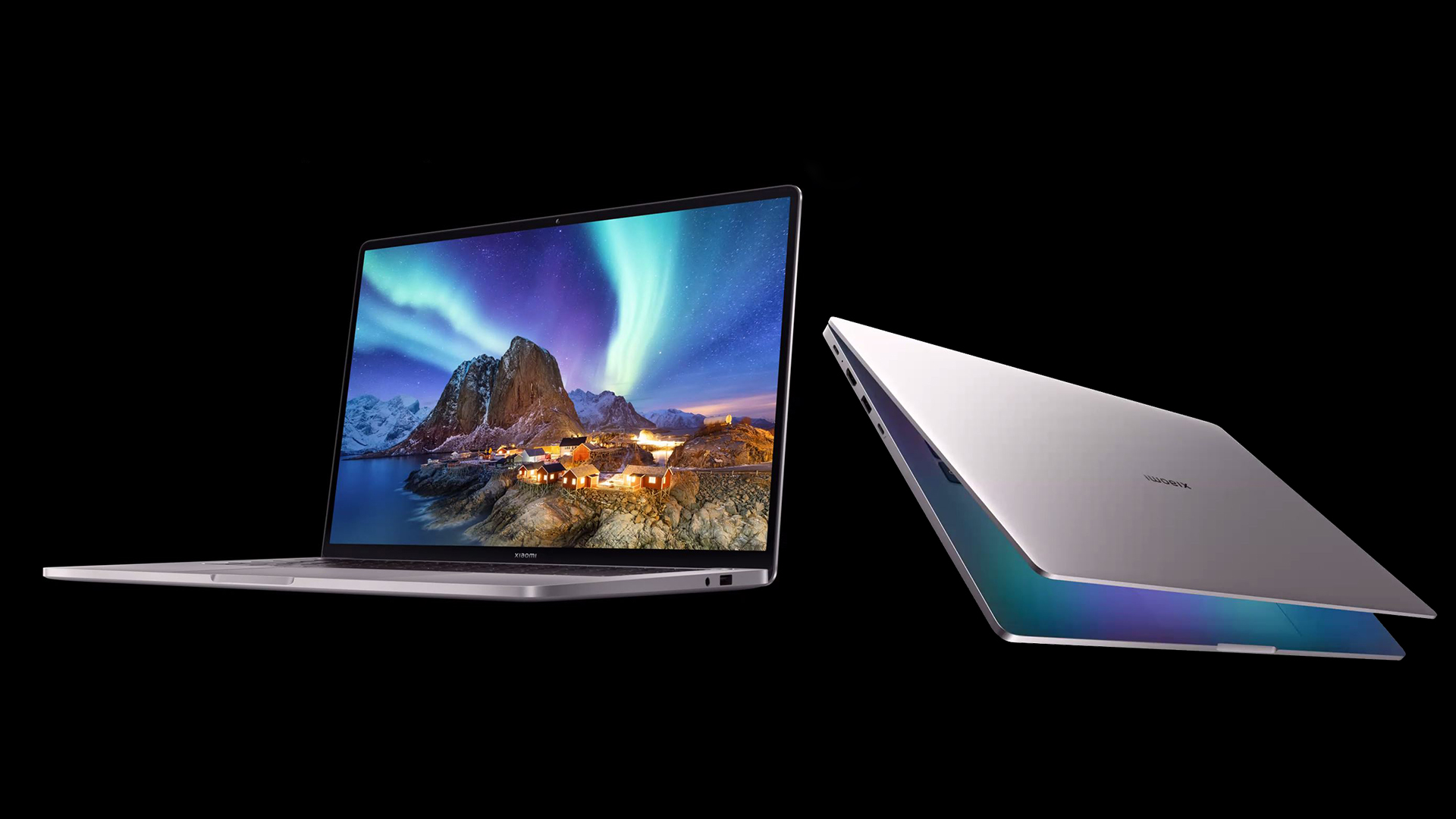
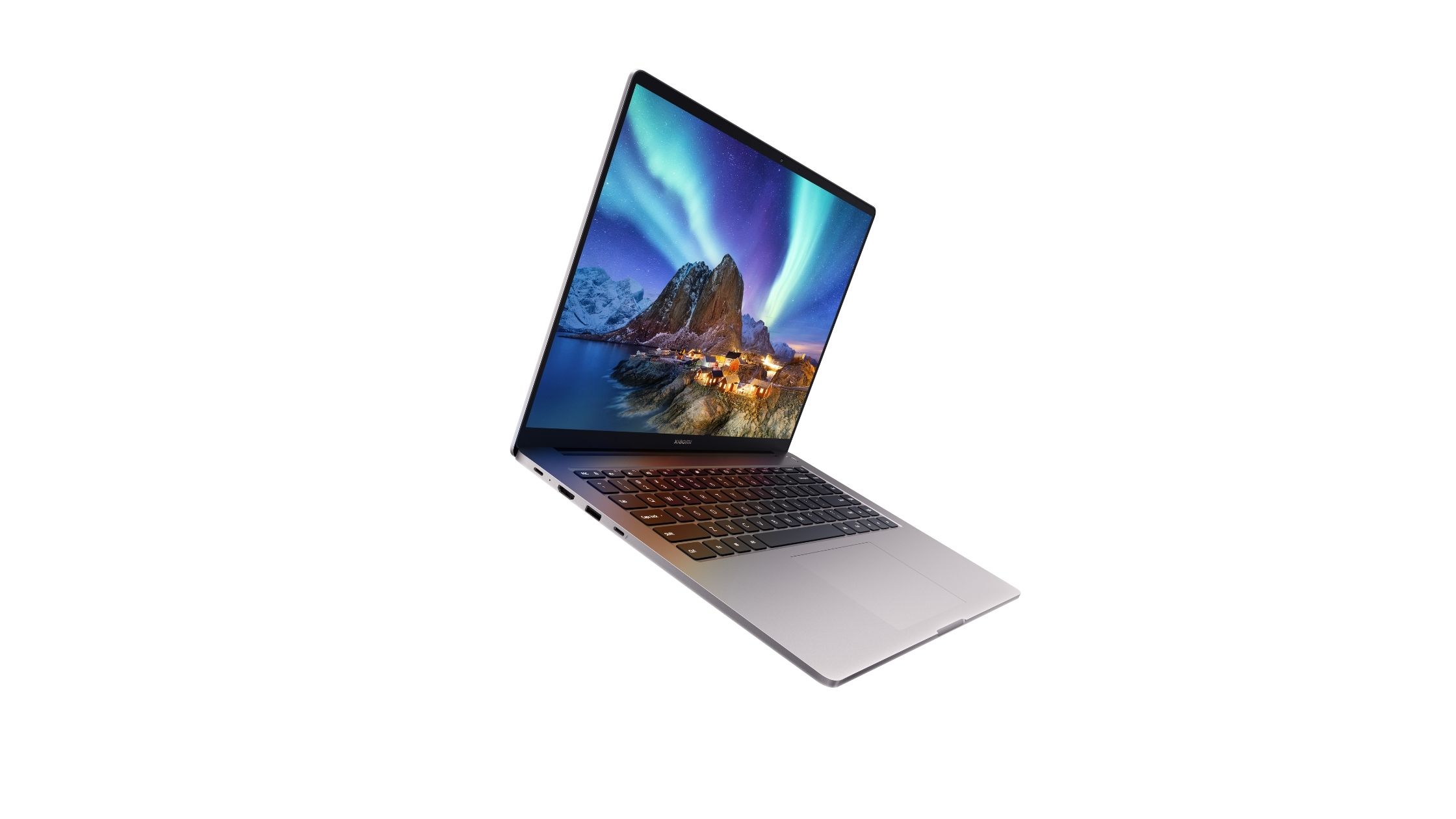
The Mi Notebook Pro and Mi NoteBook Ultra laptops will go on sale in India starting today. Xiaomi announced the two premium laptops in The Mi NoteBook series last week along with the Mi Band 6, smart router, Mi TV 5X, and more at the Smarter Living 2022 event.
The Mi NoteBook Pro and Ultra are a big jump from last year’s Mi NoteBook 14 series in terms of display, CPU, keyboard, port options, and much more. Here is how much these new laptops will cost and the early bird discount you can avail
Mi NoteBook Ultra price, offers, and specs
Mi NoteBook Ultra
Mi NoteBook Pro
i5 + 8GB
Rs 59,999
Rs 56,999
i5 + 16GB
Rs 63,999
Rs 59,999
i7 + 16GB
Rs 76,999
Rs 72,999
(Image credit: Xiaomi)
The Mi NoteBook Ultra comes in three configurations 一 the Core i5 and 8GB variant costs Rs 59,999, the Core i5 and 8GB RAM will cost you Rs 63,999 while the top of the Core i7 and 16GB RAM costs Rs 76,999.
The Mi NoteBook Ultra will be available starting today on Amazon, Mi.com, and Mi Home stores across India. In terms of offers, you get Rs 4,500 instant discount for the i7 variant while you can get Rs 3,000 instant discount for the Core i5 variants with HDFC bank credit card.
The Mi NoteBook Ultra packs in a 15.6-inch IPS display with a 3.2K resolution (3,200 x 2,000) and a 90Hz refresh rate with a 16:10 aspect ratio. It weighs 1.7 kgs and is just 17.9mm thick. The NoteBook Ultra is powered by Intel Core i5 (11300H) and i7 (11370H) processors with Intel Iris Xe graphics, up to 16GB RAM and 512GB NVMe SSD.
The laptop also comes with a three-level backlit full-sized keyboard and a 720p HD webcam. In terms of port options, you get a Thunderbolt 4 port charging, USB 3.2 Gen 1, an HDMI port, Type-C, USB 2.0, and a 3.5mm headphone jack. Other features include Windows 10 Home OS, MS Office 2019 suite, dial heat pipes, Wi-Fi 6, Bluetooth 5.1, 12 hours battery with 70Whr battery and fast charging.
Mi NoteBook Pro price, offers, and specs
(Image credit: Mi India)
The Mi NoteBook Pro costs Rs Rs 56,999 for the base variant, Rs 59,999 for the middle variant, and Rs 72,999 for the top-end variant. The configurations across the three remain the same as the Mi NoteBook Ultra. It will be available on Amazon, Mi.com, and Mi stores starting at 12 noon today.
You can get Rs 4,500 instant discount for the i7 variant while you can get Rs 3,000 instant discount for the Core i5 variants with HDFC bank credit card.
The Mi NoteBook 14 comes with an a14-inch 2.5K resolution screen with a 16:10 aspect ratio, 100% sRGB coverage and a 60Hz refresh rate. It is rated to last up to 11 hours with its 66Whr battery unit. There is also fast charging which can fuel up the laptop up to 50% in just 34 minutes. The Mi NoteBook Pro weighs 1.4 kgs and measures 17.3mm. The rest of the specs remain the same as the Ultra variant.
Take into account your gaming needs and budget when choosing from the best gaming laptops 2021 has to offer. More important than any cool design, funky RGB lighting and the newest features are just how much power you need and how much you can stretch your budget, after all. Especially because these days, you need not have the priciest and most powerful internals to see you through an immersive gaming experience.
In fact, thanks to this ongoing battle amongst component manufacturers, processors and graphics cards are getting more powerful while also getting cheaper. That means that the best gaming laptop for you could mean a laptop under $1000, something that has the greatest innards and all the trimmings, or one that sits somewhere in between.
So, first thing’s first: figure out what kind of gaming experience you want and how much you can afford to spend. The rest, you can leave up to us as we gathered a short list of the best laptops for gaming right here for every need and budget, alongside tips on how to choose the right one for you. Guaranteed, you’ll find something here that ticks off most, if not all, of the things on your checklist.
How to choose the best gaming laptop for you?
Choosing the best gaming laptop is easy when you’ve got deep pockets or have a couple of thousand dollars to spare. It’s when your budget is more limited that getting a great gaming laptop becomes trickier.
Lucky for us, we’re getting plenty of more affordably-priced CPUs and GPUs that don’t compromise on power. The latest internals like the Intel Comet Lake, AMD Big Navi and the Nvidia RTX 3000 series are more capable yet also cheaper than ever. That means that gaming notebooks under $1000 can be just as capable as any gaming PC while keeping things portable and space-saving like the best Ultrabooks.
Still, some components are more powerful or cheaper than others. While it’s no longer a hard and fast rule, AMD’s offerings are generally more affordable, which means that AMD Ryzen-powered laptops tend to be slightly cheaper.
In terms of graphics cards, Nvidia is still king when it comes to performance, although which RTX card you should go for depends on the type of gaming experience you want. The RTX 3060, for example, is a terrific mid-range contender with lots of power for 1080p gaming. However, if you want that 4K goodness, an RTX 3070 or higher is the way to go.
Consider the RAM as well. There are many gaming laptops that start you off with an 8GB DDR4 memory, which is the minimum these days. However, if you play a lot of demanding AAA titles, at least 16GB is recommended for the smoothest experience.
Other things to look at are the amount of storage, type of display, and type and variety of ports. Take a look at the battery life as well, especially if you plan on gaming on the go. Know that just because something is premium doesn’t automatically mean it’ll deliver a long battery life – the Alienware laptops are a cautionary tale. And, of course, since you do have to like how your gaming notebook looks, think about the design and whether or not you want RGB lighting.
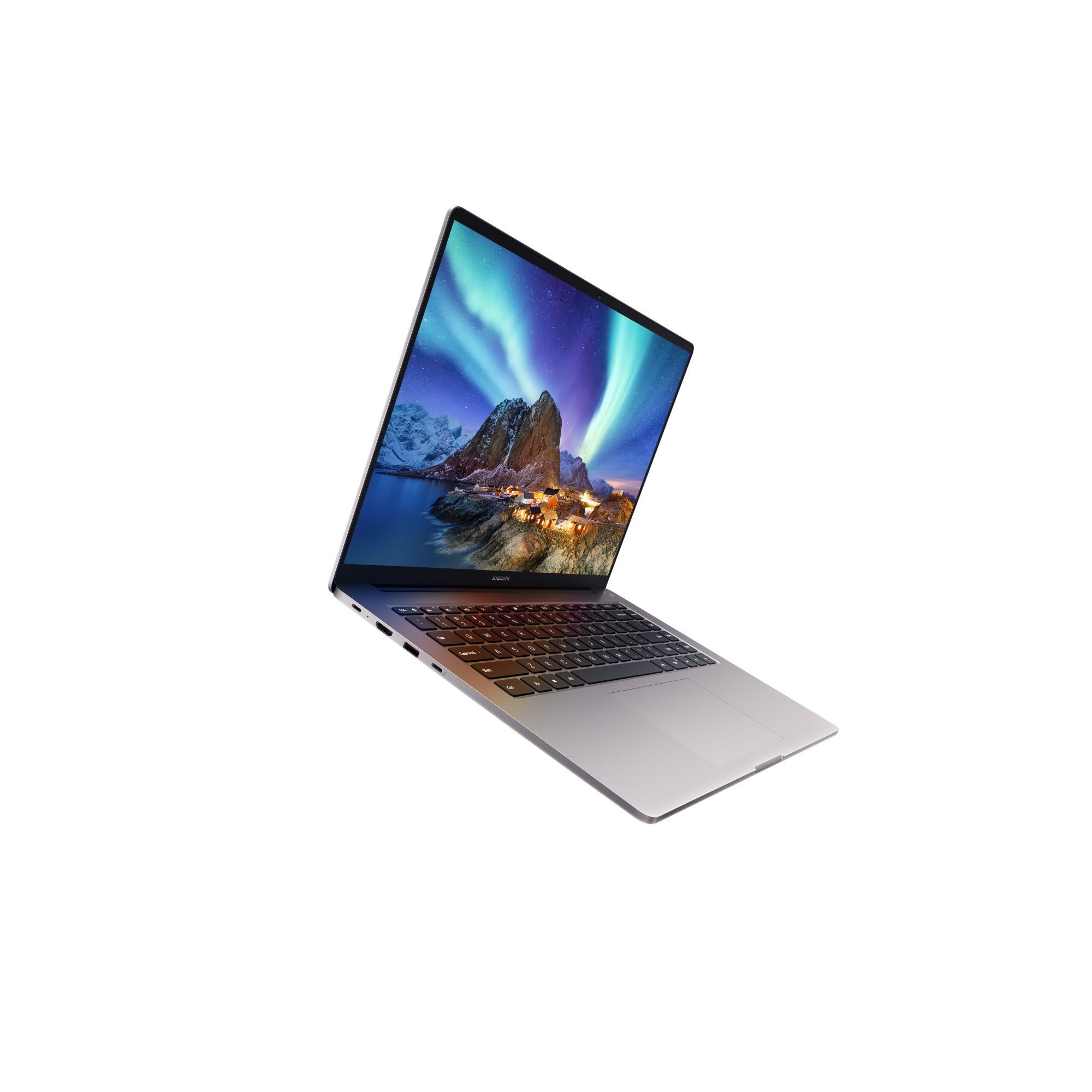
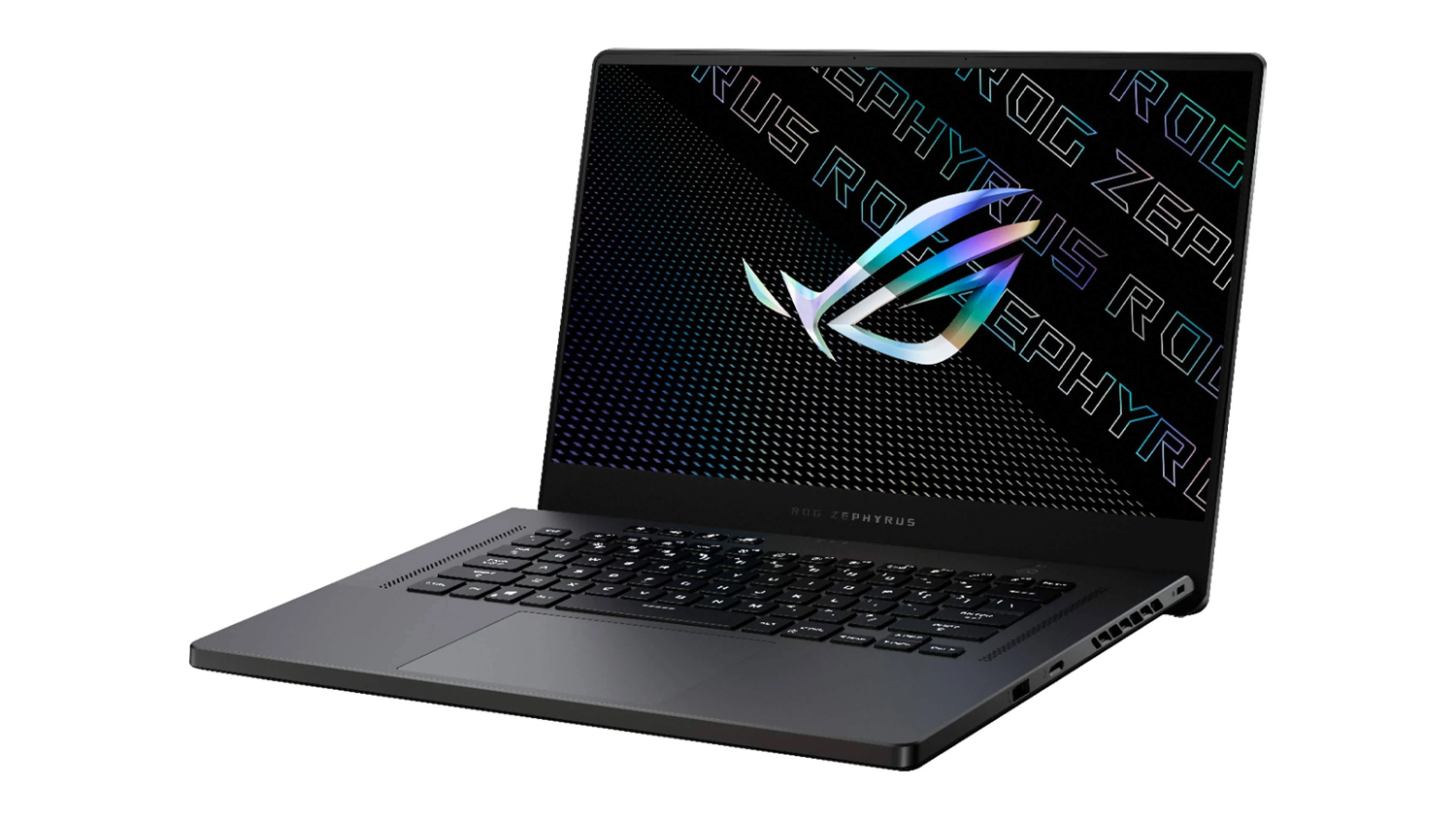
The Asus ROG Zephyrus line has produced some of the best gaming laptops out there, and the new ROG Zephyrus G15 is no exception. Fitted with the latest and most powerful AMD Ryzen and Nvidia RTX 3000 series, they’re incredibly powerful and able to see you through the most demanding games. Of course, that legendary battery life has made an appearance, as well as that stylish chassis. If you want a high performing gaming laptop that’s affordably-priced to boot, nothing beats this one.
CPU: Up to Intel Core i7-11375H | Graphics: Up to NVIDIA GeForce RTX 3070 | RAM: Up to 16GB DDR4-3200 | Screen: Up to 15.6-inch WQHD anti-glare 165Hz IPS-level display with Adaptive Sync | Storage: Up to 1TB SSD
Battery life up to 10 hours
Strong gaming performance in a thin chassis
Keyboard lighting color can't be changed
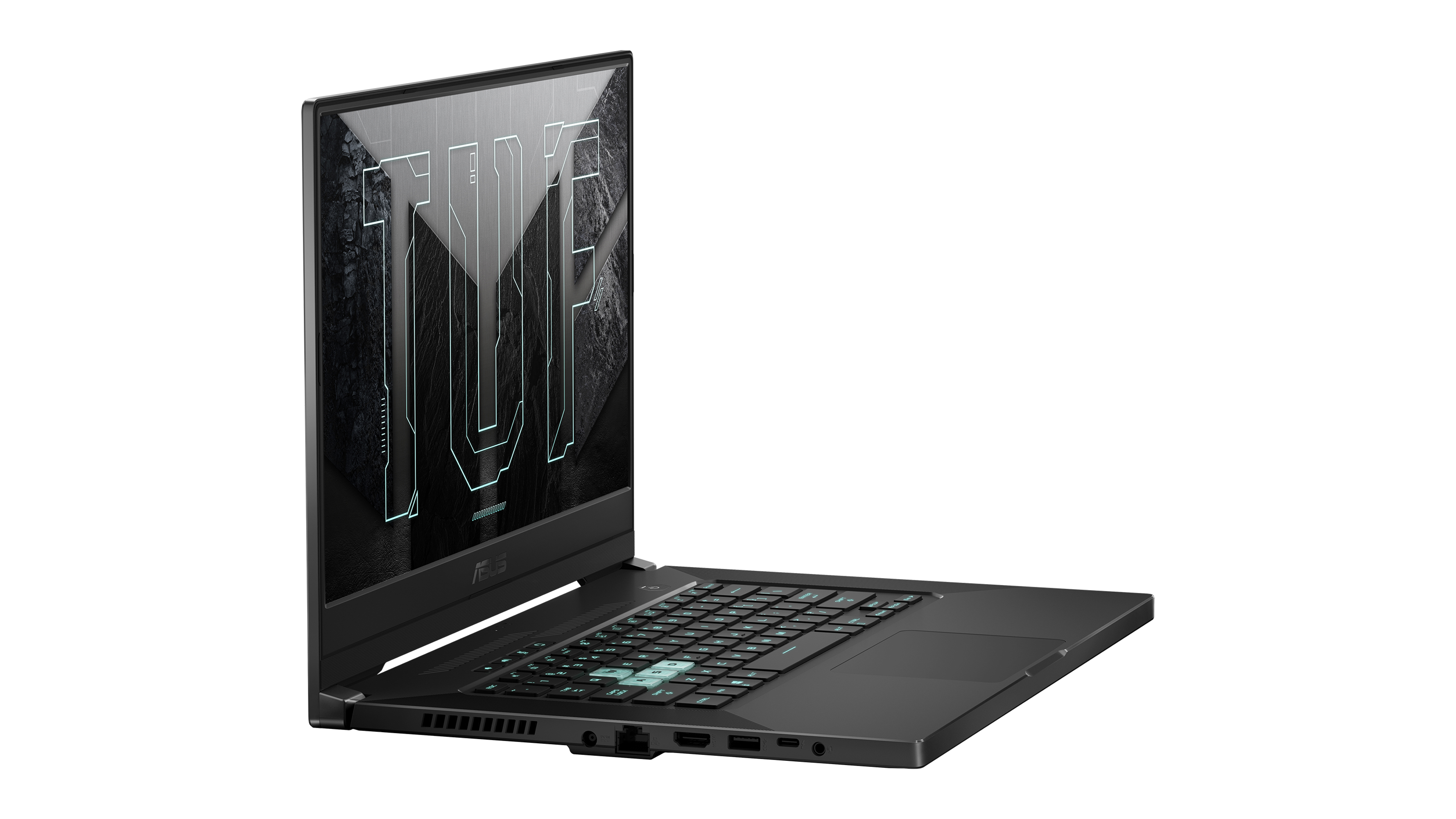
The Asus TUF line is no stranger to affordable great performers. Last year’s Asus TUF A15, for instance, was simply brilliant while keeping things accessible to budget-conscious gamers. The Asus TUF Dash F15 is back to preserve that affordability while also delivering brute strength. It brings in Intel Tiger Lake processors, Nvidia GeForce RTX 3000 mobile GPUs, and up to a 240Hz 1080p display without costing a fortune while also keeping things light, thin, and military-grade durable.
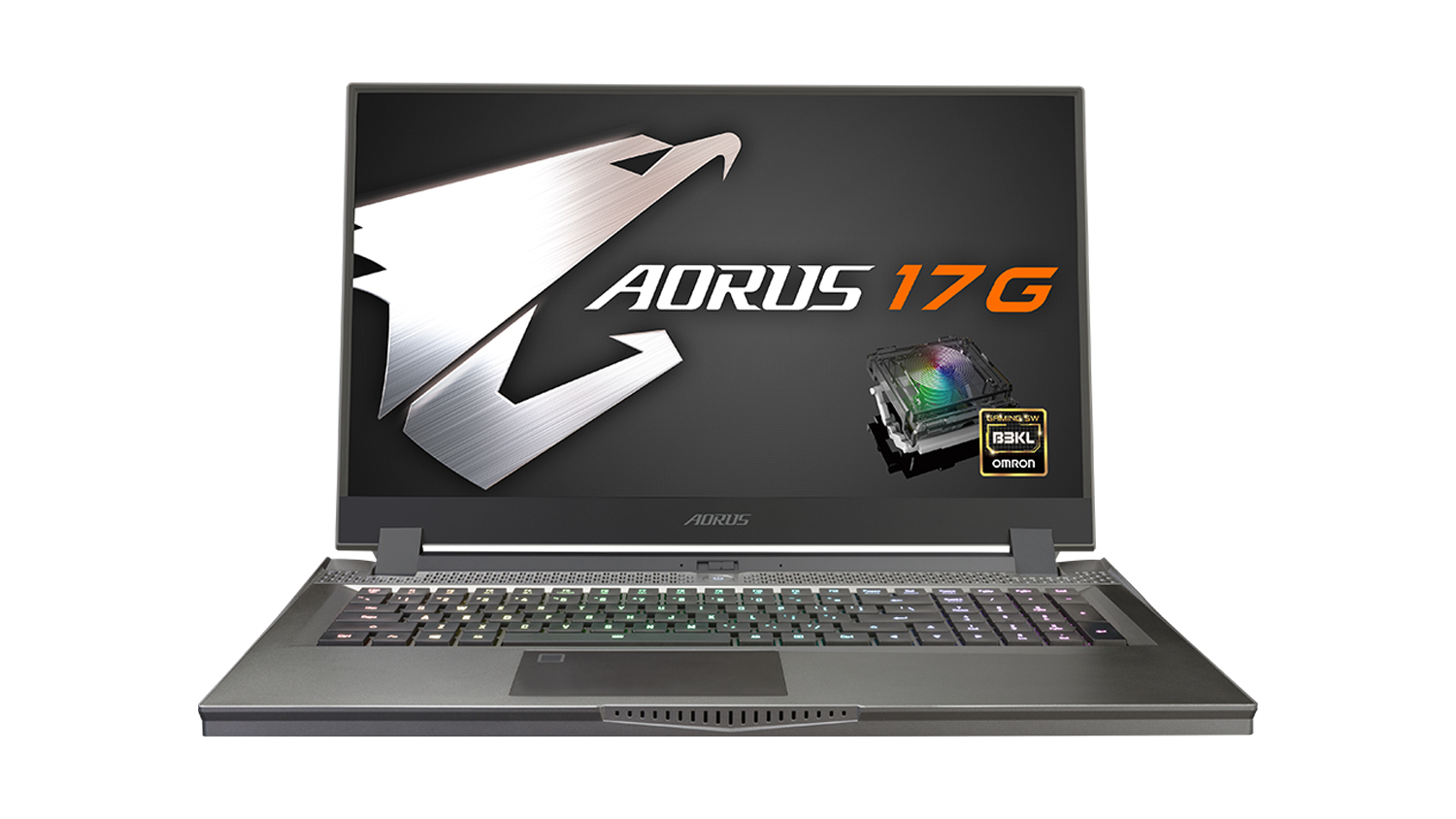
A tactile mechanical keyboard and a 300Hz refresh rate display are just the beginning. The Gigabyte Aorus 17G (2021) touts an incredible gaming performance that might just be worthy of desktop gaming PCs. With one of the RTX 3000 GPUs under the hood, this will see you through the most graphics-intensive games, including competitive ones. And, because of its impressive battery life, you can do so away from a power source.
CPU: Up to 10th Generation Intel Core i9-10980HK | Graphics: Up to NVIDIA GeForce RTX 3080 | RAM: Up to 32GB DDR4 2933MHz | Screen: 17.3" UHD 60Hz 25ms 500-nits display | Storage: Up to 4TB SSD + 512GB SSD
Blazing fast performance
Stylish chassis with plenty of ports
Battery life of less than 3 hours
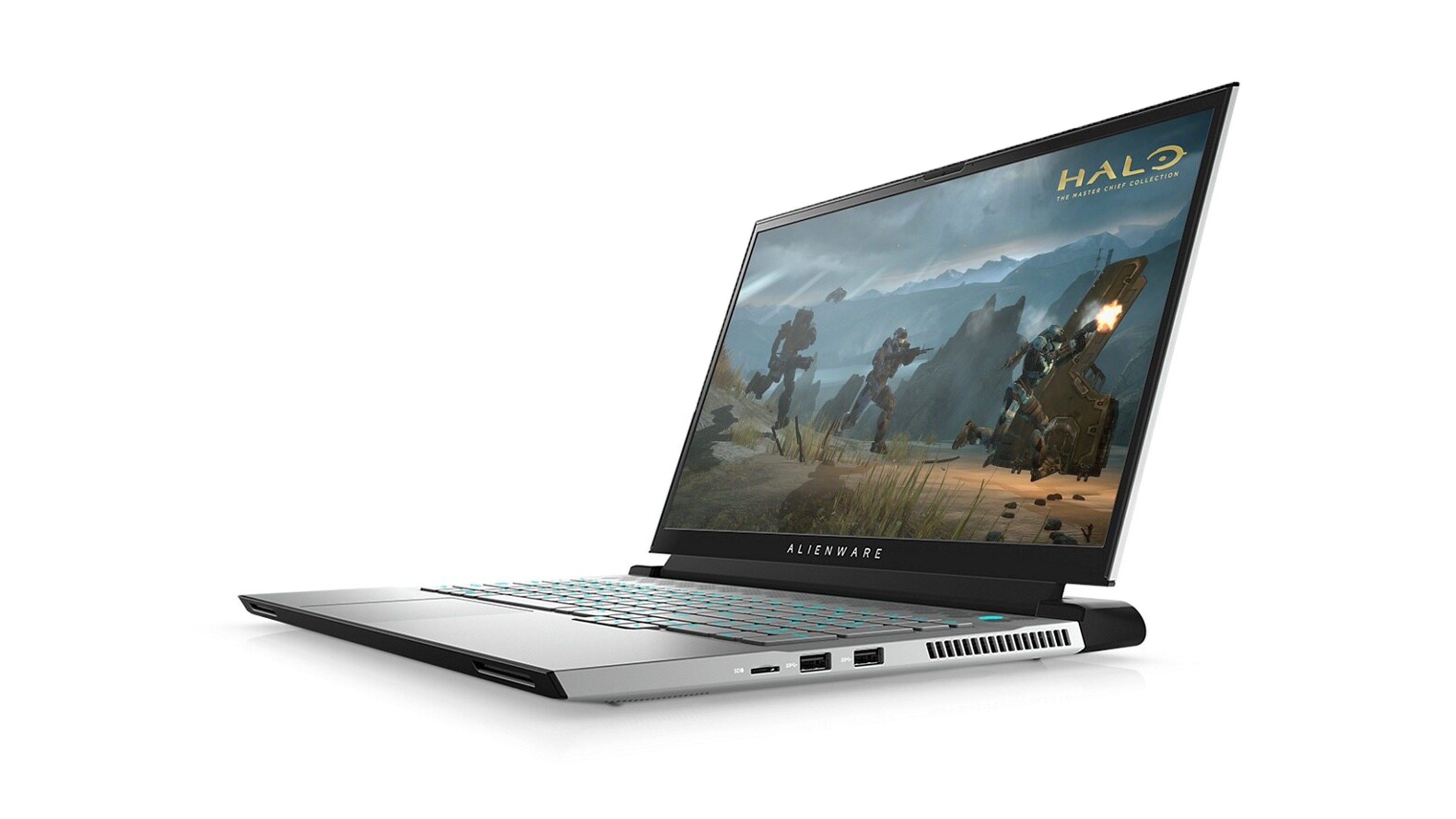
It’s not always going to be substance over style. The Alienware m17 series continues to prove this with the new Alienware m17 R4, an extremely powerful gaming laptop with plenty of ports and an extremely stylish chassis that lights up like a Christmas tree. That way, you can play all the latest AAA games smoothing and in style. Of course, this being one of the fastest gaming laptops in 2021, it won’t be cheap. However, if you have the money, you’ll be glad you chose this.
Has some kinks and bugs that need to be worked out
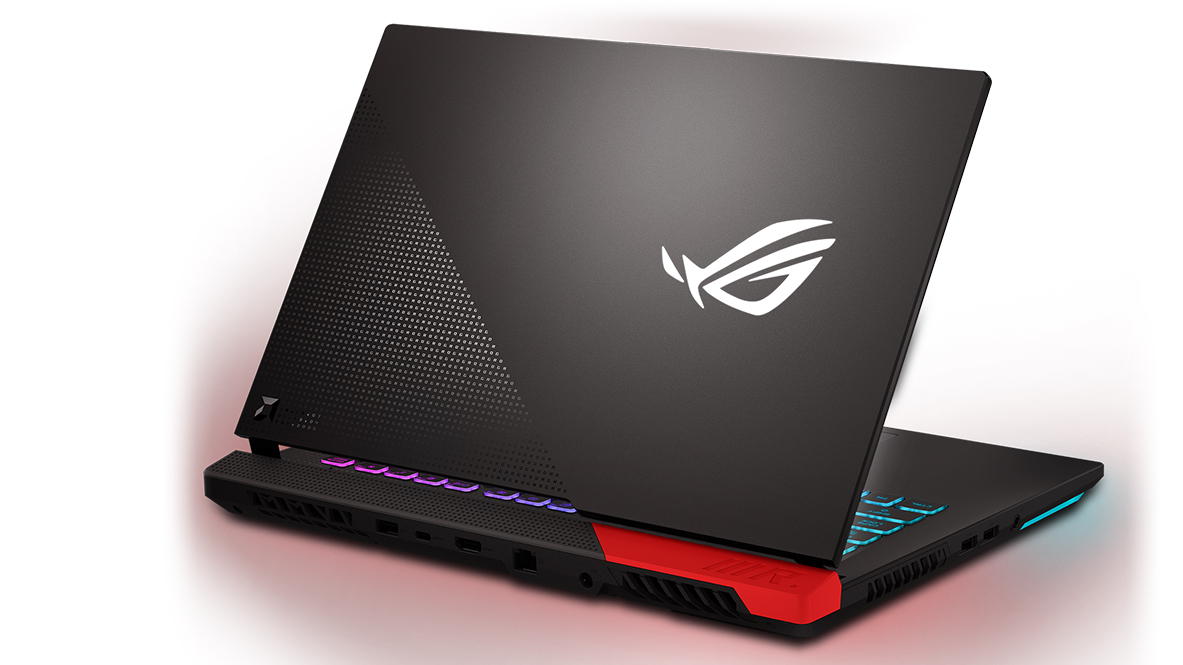
Powerful great-value laptops aren’t exactly a dime a dozen, so when one does come out every now and then, we’re only too happy to test it out. The Asus ROG Strix G15 AMD Advantage Edition, one of the latest best value laptops to hit the streets, is AMD’s successful swing at the high-end, boasting AMD’s top processor and GPU. But, it isn’t just its performance that takes center stage here. That battery life is astounding as well, especially considering those powerful specs.
CPU: 10th-generation Intel Core i7 | Graphics: NVIDIA GeForce RTX 3060 – 3080 | RAM: Up to 32GB | Screen: 17.3" Full HD 360Hz – 17.3" 4K Touch 120Hz | Storage: 512GB – 1TB SSD
Gorgeous, speedy display
Great performance at 1080p
Gaming at 4K needs tweaking
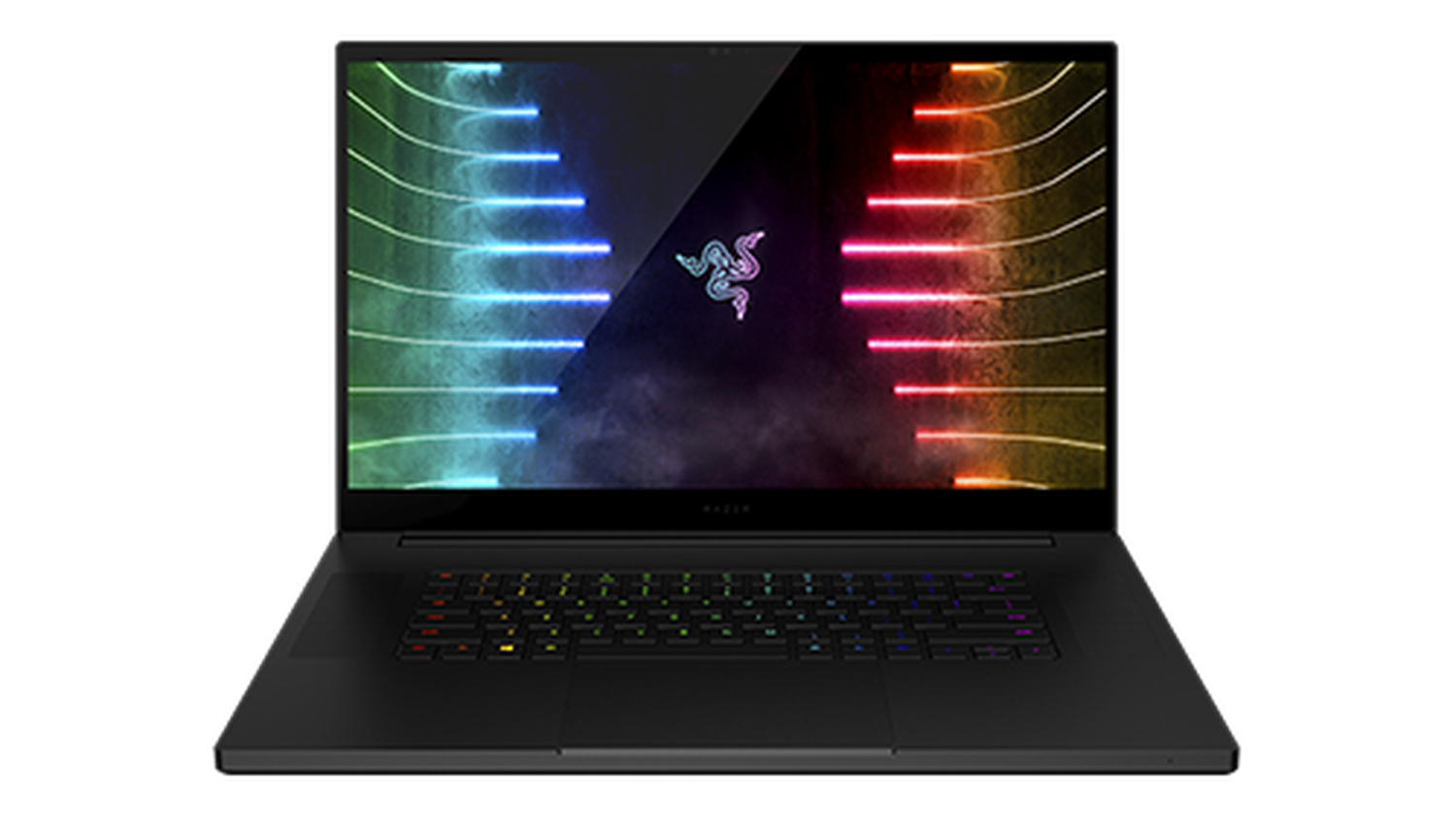
If you’re looking for an absolute beast, the best gaming laptop for you might just be this follow-up to Razer’s 17-inch leviathan. More than just a gaming portable, it makes for an excellent mobile workstation for creators as well – although gamers who have the cash will appreciate the RTX 3000 GPU, up to 64GB of memory, and display with fast refresh rates. It’s pretty expensive, though, so unless you need all that power or you just have the money to throw away, you really have to make sure you’ll make the most of it.
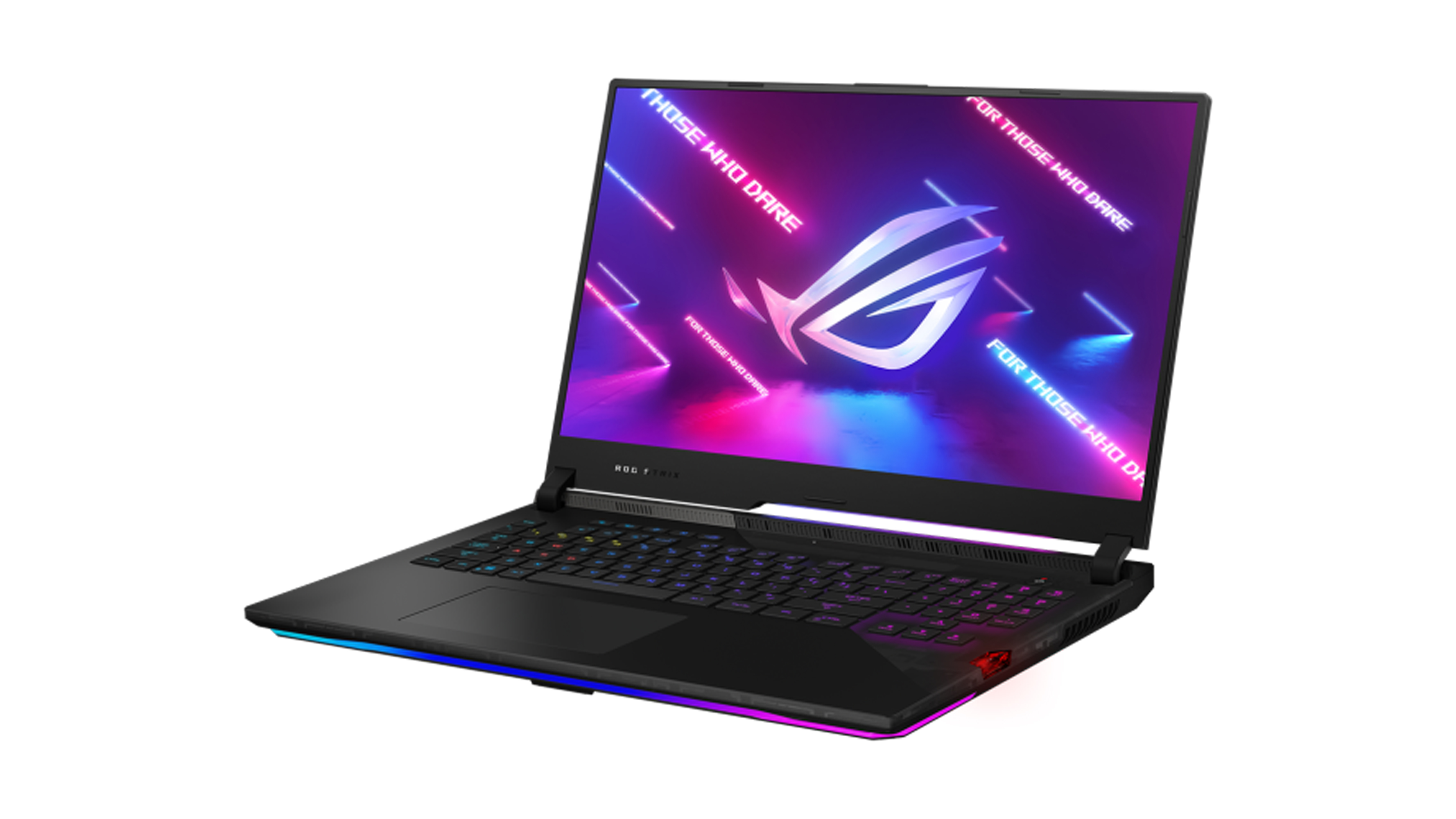
One of the most powerful gaming laptops that money can buy in 2021, the Asus ROG Strix SCAR 17 G733 barely breaks a sweat. That excellent performance is due to the impressive specs it’s kitted out with, which also sadly put out of most people’s reach, price-wise. If you can afford it, however, there are a few other things you’ll love about it, including that unapologetic design that lights up like Christmas due to its resplendent RGB lighting and that optical mechanical keyboard that’s simply one of the best we've experienced on a laptop. This is among the best of the best out there, and a worthy consideration if you’re not limited by your budget.
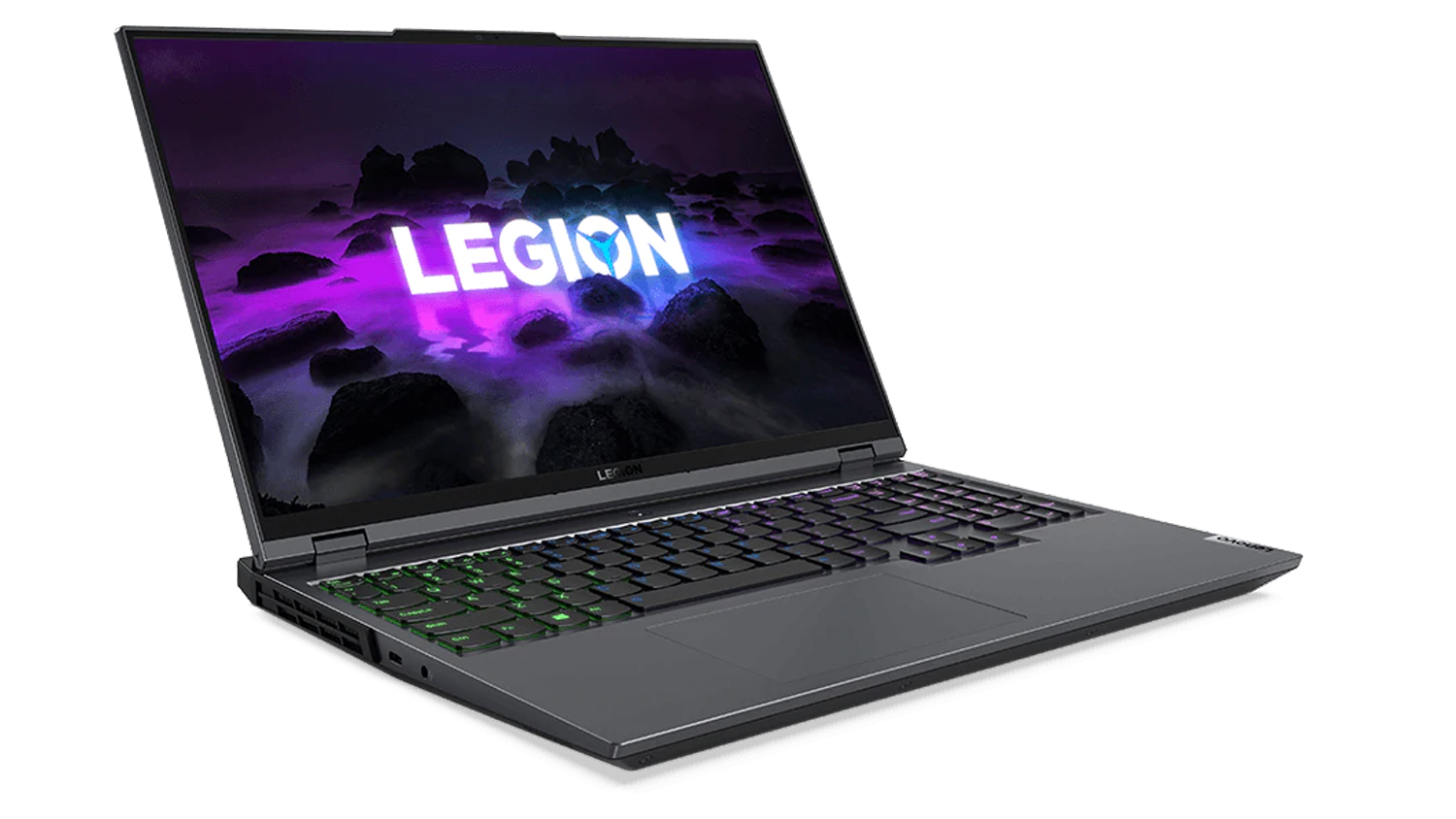
Hands down one of the best gaming laptops we’ve tested, the Lenovo Legion 5 Pro comes with all the makings of a nearly perfect portable for gaming. Its incredible performance is matched only by that gorgeous QHD IPS screen with up to 500 nits of brightness, Dolby Vision, and up to a 165Hz refresh rate. It also boasts excellent hardware controls, admirable battery life, and a full-sized keyboard. Budget-minded gamers will also appreciate the fact that while it’s among the best in its class, it’s also reasonably priced, making it a better value than its peers.
CPU: Up to 10th-gen Intel Core i7 | Graphics: Nvidia GeForce RTX 3050 – 3060 | RAM: 8GB – 16GB | Screen: Up to 15.6" QHD (2560x1440) 165Hz IPS-Level | Storage: From 512GB NVMe SSD
Great gaming performance to match older gaming rigs
The full-sized keyboard is a nice touch
Battery life is only at a little over 3 hours
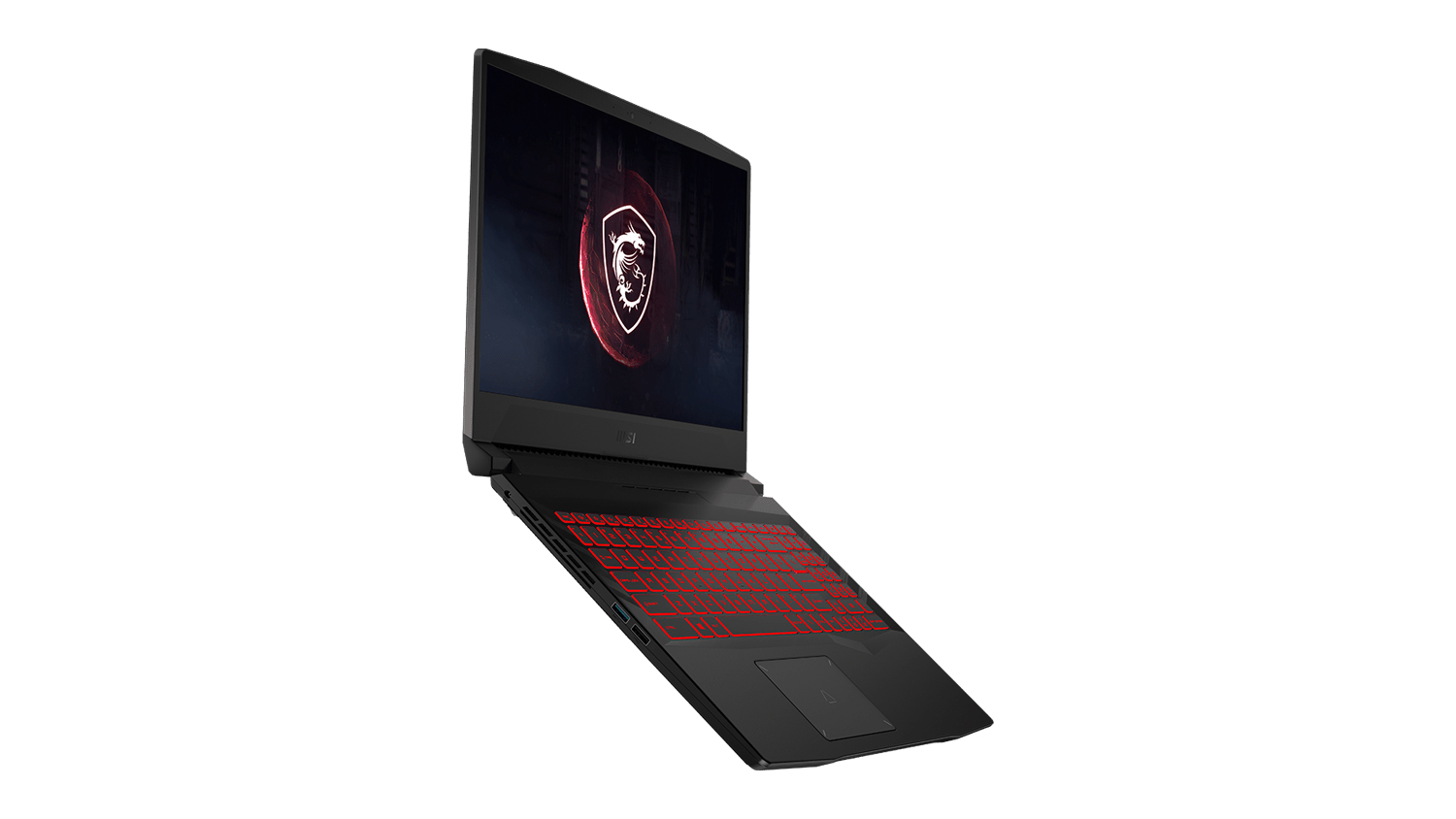
If a powerful mid-range gaming laptop that does the job and doesn’t burn a big hole in your pocket is what you had in mind, the MSI Pulse GL66 might prove to be an appealing option. This affordable prospect still boasts some of the latest and greatest components without stepping into the premium sphere, giving those who’ve been wanting an RTX 3000 GPU an easier way in. Naturally, sacrifices had to be made, as is always the case. That battery life, for example, is sad by today’s standards – but considering the pricey Alienware line is plagued with the same issue, it’s not a deal-breaker here. Just remember to pack that charger.
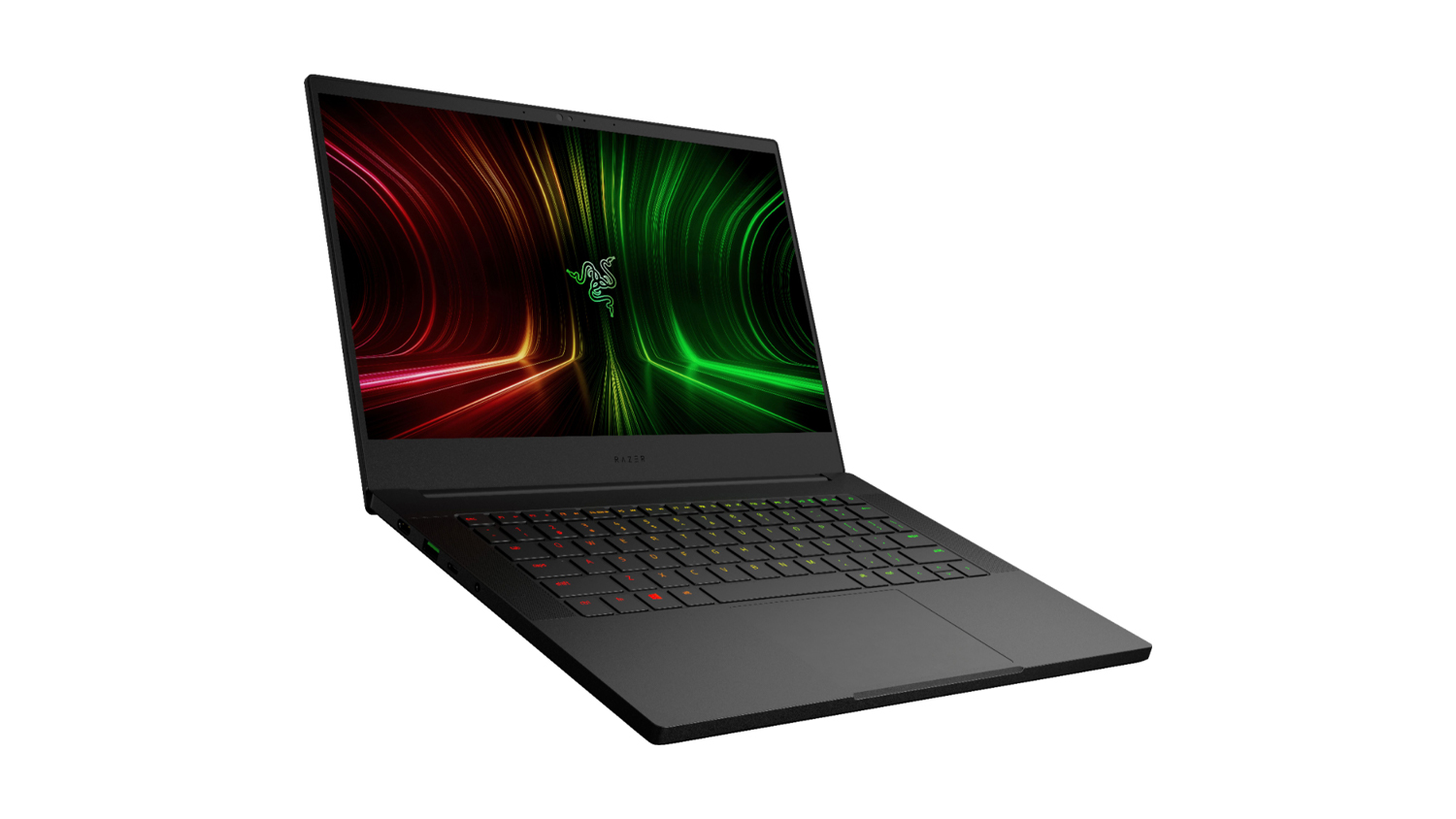
A luxurious portable option comes in the form of a Razer, naturally. The manufacturer’s latest gaming laptop release, the Razer Blade 14, comes with lots of power with a Ryzen 9 from the 5000 series as well as the most powerful Nvidia 3000 graphics. That means you can pretty much play the latest AAA game on it without lugging around a heavy device around with you. At 0.66 inches thick and just under 4lb, that thin and light chassis is definitely a boon to gamers who often travel. Luckily, it also boasts a luxe design so you won’t hesitate to pull it out at a cafe or on a train. Of course, things are still solid, from performance to build.
Testing a gaming laptop isn’t as easy as you might think. But, then again, neither is narrowing down your options and choosing the best one for you, which is why we take our job seriously. Even if that means gaming for hours on end – hey, someone’s gotta make the sacrifice, right?
In all seriousness, we put every gaming laptop we test through its paces to make sure it delivers as promised and is worth your hard-earned case. That means that on top of playing the latest and hottest games on it, noting things like gaming and thermal performance, we also run synthetic benchmarks like PCMark 10, 3DMark and Geekbench 5 as well as battery tests.
Because a gaming laptop is only as good as its peripherals, we take a look at how smooth and fast the display is, how comfortable and responsive its keyboard is, whether or not there are enough ports on hand, and how good its overall design is. We also test its webcam, in case users want to utilize it for game streaming.
We then take everything we’ve learned about the gaming laptop and compare it to its price – whether or not it’s performance and features are worth that price tag, and whether or not it offers the best value to customers.
from TechRadar - All the latest technology news https://ift.tt/2IHmLsv
via IFTTT