Tuesday, May 31, 2022

French officials told to abandon gaming Anglicisms

Use “jeu video de competition” instead of "e-sports", language watchdog the Académie Française says.

source https://www.bbc.co.uk/news/technology-61647192?at_medium=RSS&at_campaign=KARANGA

Microsoft Surface Laptop Go 2 leaked by retailer – but will it disappoint?

Microsoft’s Surface Laptop Go 2 could be on the cusp of arriving, going by a retailer listing for the device that briefly appeared online.

The Verge spotted that a Korean retailer posted a product page for the Surface Laptop Go 2, spilling the spec details, but that listing has since been taken down as is usually the case when such leaks are reported.

This tells us – tentatively – that it looks like Microsoft could be about to introduce a sequel to the laptop, with the listing indicating that pre-orders would open on June 2, in just a couple of days.

The spec details, if correct, show that Microsoft has decided to run with an 11th-gen Intel Core i5 CPU for the Go 2 – the Core i5-1135G7 to be precise – alongside up to 8GB of RAM and 256GB of storage.

There’s also mention of a better webcam for this model, and a claimed battery life of up to 13.5 hours (that’s a touch more than the 13 hours claimed for the original Laptop Go).


Analysis: Everything seems to be lining up for an imminent launch

Other than the mentioned minor hardware changes, the broad design looks like it remains the same – so this is more of a light-touch refresh of the Surface Laptop Go, which is exactly what well-known Microsoft rumor peddler Zac Bowden predicted not so long ago.

Indeed, the specs line up with what Bowden reckoned we’ll see from the Surface Laptop Go 2, including that the top-tier version will feature 8GB of RAM and 256GB storage. (The entry-level version wasn’t shown by the Korean retailer, but is expected to stick with 4GB of RAM and 64GB storage, with pricing purportedly to stay the same as the Surface Laptop Go, meaning it’ll start from $549 / £549 / AU$999).

Given that the rumors marry nicely with this leak, and a sequel to the Laptop Go makes sense in terms of the device being generally well-received, it seems likely that we could see the Surface Laptop Go 2 emerge, and very soon if the retailer is right with that pre-order date. Bowden pinned his theorizing on a June launch as the most likely timeframe, so again, that fits.

The potential disappointment could come in that this seems to be a pretty minor upgrade, although there’s no doubting that an 11th-gen rather than 10th-gen Intel CPU will help pep up performance, which was one of the downsides of the original Surface Laptop Go as we highlighted in our review. Plus if pricing stays exactly the same, as is rumored, we can’t complain too much about what we’ll be getting for the money with the Go 2.

Sadly, our other moan about the lack of a backlit keyboard doesn’t look like it’ll be fixed with the Go 2, at least not if the retail listing is right, as there was no mention of any backlighting present.

Watch this space, as they say, because we shouldn’t have long to wait at all to find out whether Microsoft is about to spring a new Surface Laptop Go 2 on the notebook world.


from TechRadar - All the latest technology news https://ift.tt/d84q5zl
via IFTTT

Report blasts "manipulative" video game loot boxes

Consumer groups from 18 countries in Europe are calling for governments to clamp down on loot boxes.

source https://www.bbc.co.uk/news/technology-61594815?at_medium=RSS&at_campaign=KARANGA

Monday, May 30, 2022

The Google Pixel Tablet could offer a key iPad feature

Much to everyone’s surprise, Google recently teased a new Pixel Tablet – one which we probably won’t see until next year. But one of the most exciting possible features wasn’t included in the tease.

That feature is a stylus, which is something there’s now significant evidence we might see included with the slate. Why? Because – as spotted by tech blog NuGiz – a Google tablet codenamed Tangor has been certified by the Universal Stylus Initiative (USI).

Of course, it’s possible that Tangor is a different device to the Pixel Tablet, but given that we’re only aware of one tablet being worked on by Google, that’s unlikely, and this certification all but confirms an upcoming Google slate will have stylus support.

That still leaves some questions though, such as whether a stylus will be included with the tablet or whether you’ll have to buy one separately, and whether stylus support will be a key focus for Google or just a handy extra.

USI support means the Pixel Tablet should be compatible with any USI-certified stylus, and those styli will also work with any other USI-certified device. So you could potentially have one stylus for many devices – or at the very least may not have to buy a new stylus when you buy a new tablet (even one from a different brand).

However, it might also mean that Google puts less effort into developing a stylus specifically suited to the Pixel Tablet – if the company develops one at all. It could potentially rely on existing USI styli and on the inevitable third-party options that would arrive following the Pixel Tablet’s launch.


Apple iPad Air 5 being used with an Apple Pencil

An iPad Air 5 (Image credit: Future)

Analysis: making the Pixel Tablet more iPad

Stylus support is a key feature of many iPads, yet it's not something that a huge number of Android tablets currently offer, outside of Samsung’s popular Galaxy Tab range, so this could be a major selling point of the Pixel Tablet.

USI support means styli for the Pixel Tablet might also be more affordably priced (since you wouldn’t be limited to one brand) and would be compatible with a wider range of devices than the Apple Pencil.

This is a promising development, because from what we’d seen of the Pixel Tablet previously it was unclear how it would really stand out, aside from packing a Google-developed Tensor chipset. So stylus support could help it compete.

Via AndroidPolice


from TechRadar - All the latest technology news https://ift.tt/aCgKhkZ
via IFTTT

Sunday, May 29, 2022

Cinemas now accepting Yoti digital ID

Young cinemagoers can now prove their age using the Yoti app instead of taking ID documents with them.

source https://www.bbc.co.uk/news/technology-61606477?at_medium=RSS&at_campaign=KARANGA

Here's why an Amazon Fire tablet, not an iPad, should be your Prime Day buy

People often use our Amazon Prime Day list of the best iPads to buy a brand-new Apple tablet. The slates are often so expensive that even a slight discount can result in lots of money saved.

There's a lot to be said for purchasing an iPad – they're popular, powerful and pretty, and so it isn't surprising to find a number of iPad models sitting on our list of the best tablets

But you could save yourself huge sums of money if you pushed Apple's super-expensive slates and bank-breaking accessories from the forefront of your mind, and instead looked at the other end of the price spectrum.

Amazon's Fire tablets

The Amazon Fire range of slates are the epitome of what you'd class as "cheap tablets". They come with tacky-feeling plastic bodies, weak chipsets, and software that's so full of pre-loaded apps that most people don't even realise that, at its core, they're Android devices.

Yet for most folk, they deliver all you'll need– whether that's non-stop movie streaming, an entertainment tablet for the road, or even a portable working device.

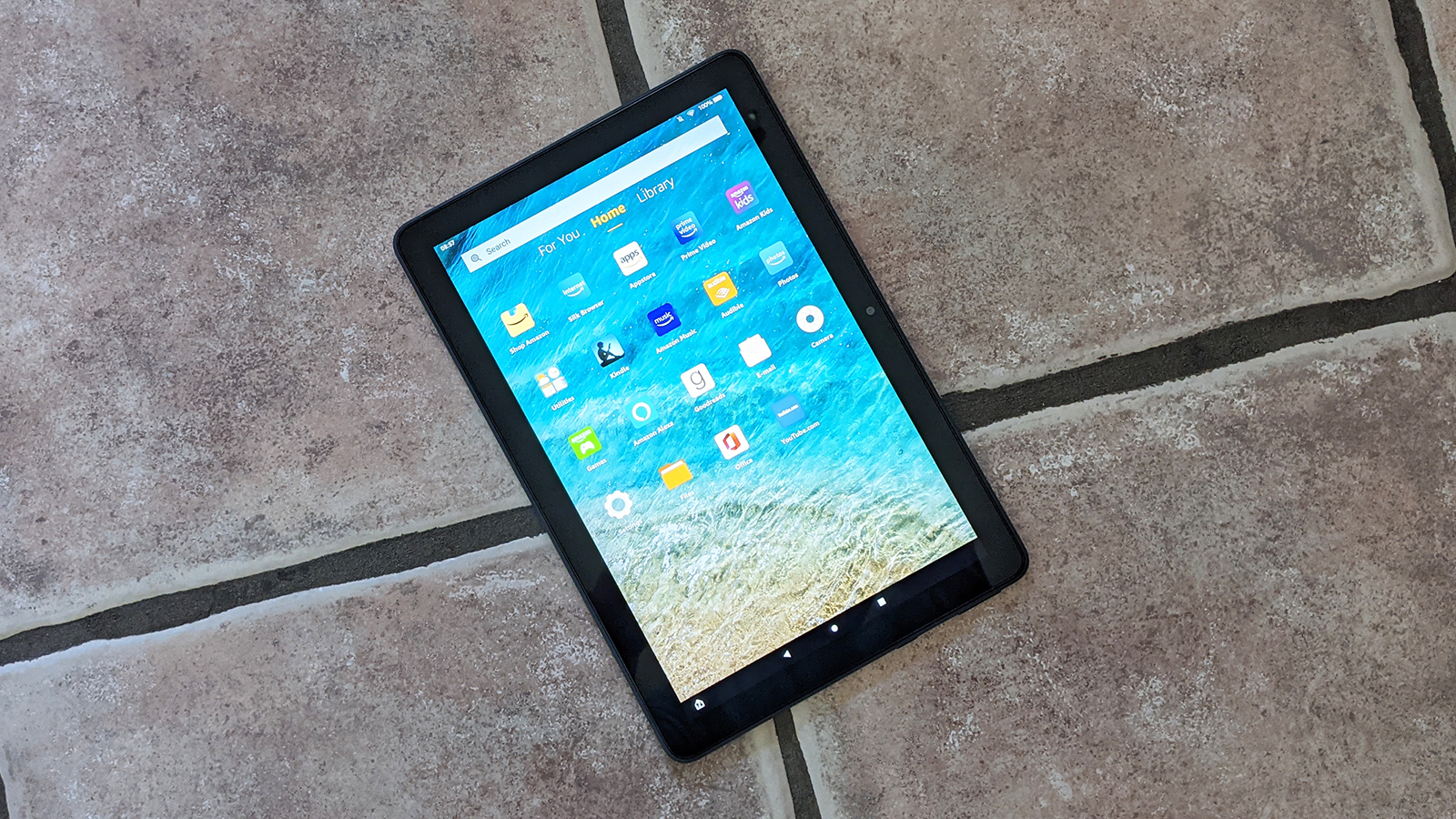
Amazon Fire HD 10 Plus

(Image credit: Future)

Fire tablets – there's the 7, HD 8 and HD 10, along with a few Kids' Editions and Plus models – are closely tied with Amazon's ecosystem of apps and services. This means they come pre-loaded with Prime Video, Prime Music, Kindle and the like, although it's also possible to install rival services such as Netflix or Spotify.

This makes them a great hub for entertainment (if you have a Prime account, that is), since the Fire device will effectively become your one-stop shop for music, movies, games, books and more. Thanks to the ability to easily download content using these apps, Fire tablets are also great for on-the-go entertainment.

Amazon Fire slates tend to be lighter and smaller than most other tablets, too, which also makes them great devices for frequent travelers, or for handing to kids on a long road trip to quieten them down.

Although Fire tablets have typically been associated with entertainment, not so much business or college work, this is also now starting to change.

A range of accessories

On Amazon, you can find plenty of stands, keyboards and even styli for Amazon Fire tablets, which let you transform these slates into portable workstations for word processing or dealing with emails.

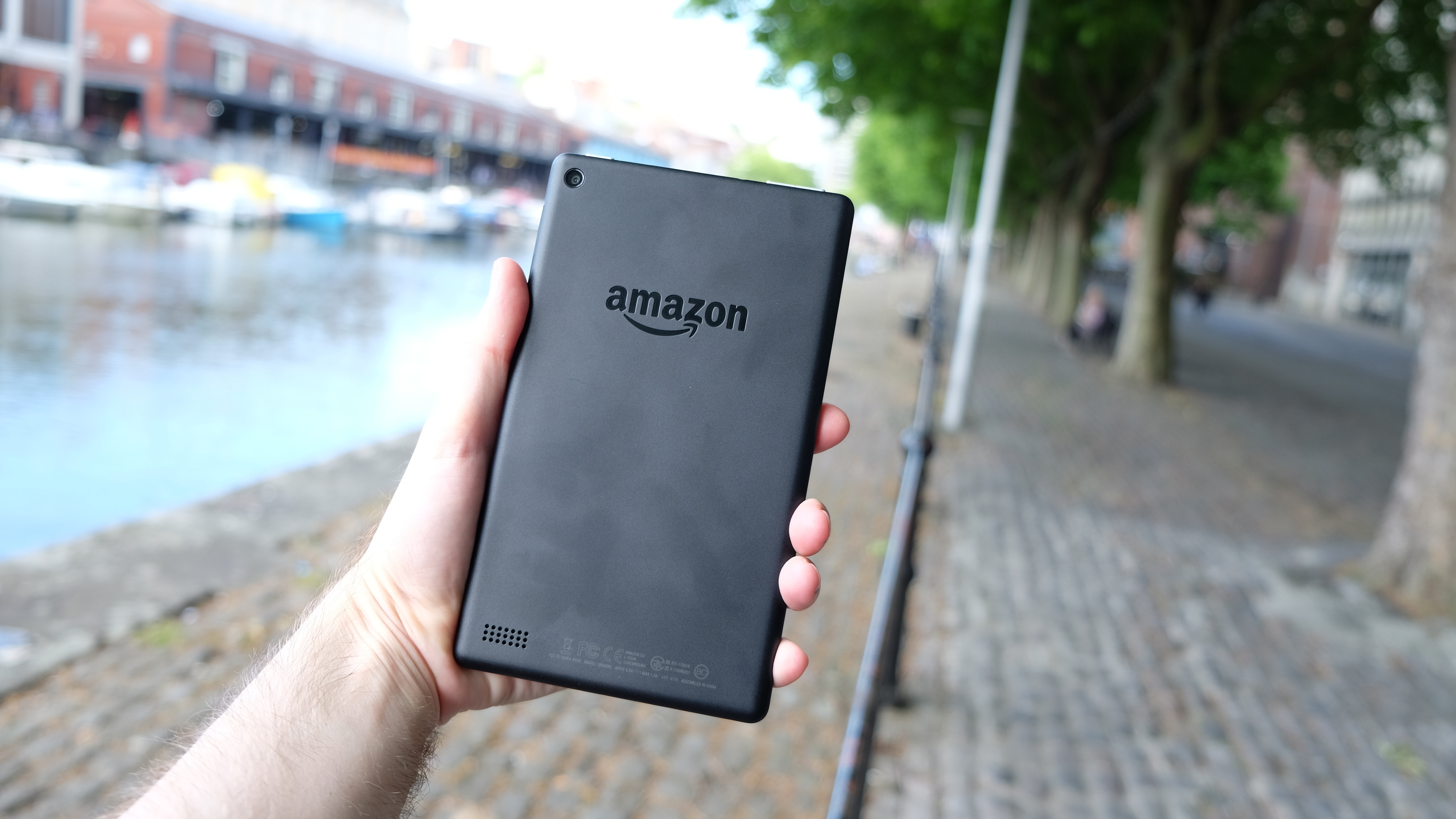
Amazon Fire 7

(Image credit: Future)

You may have started to see more and more Fire tablets being worked on in coffee shops and libraries, with users beginning to become more aware of their use beyond  entertainment.

So, unless you require lots of processing power for top-end apps, we've now established that Fire devices can match Apple iPads for work and play; but there's one key way in which they beat them.

If the price is right

When it comes to price, Amazon's Fire tablets undercut iPads significantly. Prices for the most recent Fire HD 10 start at $150 / £150 (about AU$195); the cheapest iPad 10.2 starts at $329 / £319 / AU$499. Unless you're stuck deep in the Apple ecosystem – and maybe even then – the Fire HD is the cheaper choice.

Fire tablets offer great battery life, equal displays to their pricier alternatives, and are far more durable than most slates, too.

Amazon's products generally are the cheapest in their sector, with Kindles usually undercutting other e-readers, and the company's TV sticks and earbuds also coming in at super-affordable prices.

Cheap products are always worth considering – especially in 2022, given that the gulf between affordable and premium products has narrowed, and the cost of living crisis.

But when you can do almost everything you'll want to on a Fire tablet, iPad models that can cost up to twice as much are far more difficult to recommend. Sure, for creative professionals or power-users the extra features that Apple's tablets bring may be preferable. For the vast majority of users, however, an Amazon tablet will deliver all you need – and will save you a pretty penny, too.


from TechRadar - All the latest technology news https://ift.tt/mKhNlpf
via IFTTT

Friday, May 27, 2022

Twitter fined $150m in US for selling users' data

Federal investigators say the social media company broke rules on giving personal data to advertisers.

source https://www.bbc.co.uk/news/technology-61606476?at_medium=RSS&at_campaign=KARANGA

A new Kindle update means I don't need to rely on my PC any more

Like all Kindle owners, I like reading on my Kindle Oasis, but I have to admit that I use my PC a lot more than I'd like. It's simply easier to browse the library and pick up books on a browser than it is with the ereader's built-in store.

A new Kindle update seeks to fix that though, as it brings a few changes to the Kindle Store to make it much easier to find a new book to buy.

According to Amazon, this update will give you more access to filters and collections, will let you change between grid and list views, and will let you see more of your most recently read books. The company also seems to be integrating the Kindle Store into the Kindle's home screen more.

It's not exactly clear what's new design-wise from the last Kindle home screen redesign, which rolled out at the beginning of 2022, but with the update arriving "over the coming weeks," according to the company, we should find out soon.

All Kindle Oasis devices are compatible with the update, as well as standard Kindles from the 8th-gen model and Paperwhites from the 7th-gen one. You can find out which you own by going into your Kindle's Settings menu, then pressing Device Options then Device Info.


Bye-bye PC

As I said, I generally use my PC to find new Kindle reads, as I find the plentiful filters, collections, and menus really useful in picking what to read. I've used the Kindle in the past, but it's a bit slower to use, and I've found that I generally need to know what I'm searching for, instead of browsing freely.

Hopefully, the changes to the Kindle Store mean I don't have to boot up my PC to read a new book, though - the filters and collections sound like they could provide me with some useful suggestions, or ways of narrowing down the library. 

There are a few features like this available on the Kindle store already, and they're how I've used the ereader for books in the past, but they're not really comparable to the ones on the Amazon website.

When the update rolls out onto my Kindle, maybe I'll be able to write a glowing piece about how this changes the way I use my ereader - only time will tell.


from TechRadar - All the latest technology news https://ift.tt/PVwQkGF
via IFTTT

Thursday, May 26, 2022

Facebook owner Meta updates its privacy policy

But the company says the changes don’t allow Meta to collect, use or share your data in new ways

source https://www.bbc.co.uk/news/technology-61574207?at_medium=RSS&at_campaign=KARANGA

Swupnil Sahai and his co-founder serve an ace with AI-powered SwingVision

SwingVision, the performance-tracking iPhone app, looks to make tennis more accessible than ever.

Wednesday, May 25, 2022

Barnes & Noble's new Nook ereader is cheaper but with tradeoffs

Barnes & Noble is still in the ereader game, and is going after fresh recruits with a much more affordable NOOK GlowLight 4e.

This new model, which is a follow-up to last year's GlowLight 4, drops the price $30 to a more attractive $119.99. Still, the savings do come with a performance cost.

Mid-tier eReader

The gap between the GlowLight 4 and 4e isn’t all that wide. For starters, the new model still has a 6-inch E Ink screen that is resistant to scratches and annoying glare. The ‘GlowLight’ in the name refers to GlowLight Illumination which is the backlight that is powerful enough to support reading in bed without an overhead light or to counter the bright light of the sun, according to Barnes & Noble.

Continuing with its similarities, the GlowLight 4e also sports physical buttons on the side to turn the on-screen page, Wi-Fi connectivity, and access to B&N Readouts which is a library filled with free book excerpts and articles. But this is where the similarities end.

The GlowLight 4e’s display outputs at 212 DPI, or dots per inch, while the older model has 300 DPI (Most Amazon Kindle readers offer 300 DPI). This number refers to the resolution of the screen; the higher the DPI, the sharper the image. The GlowLight 4e also lacks Night Mode, which in the GlowLight4 allows the screen's LED lights to change color to a more eye-comforting orange. Space on the newer device is smaller too with just 8GB of storage max.

The battery life has a rather vague time frame. Barnes & Nobles claims the GlowLight 4e can last for “weeks on a single charge.” We contacted Barnes & Noble to ask for clarification on the specific amount of time but it didn’t return our call. E Ink is known for sipping power, but the LED-based GlowLight and Wi-Fi connectivity will, if both are used often enough, eat battery life more quickly.  The GlowLight 4e launches on June 7 and it’s currently available for pre-order right now.

Analysis: Finding a niche

Since 2017, a lot has changed in the world of eReaders. Barnes & Noble teamed up with Lenovo to release the NOOK 10-inch HD tablet. Essentially, it was a tablet with the NOOK app installed for eBooks and Dolby Atmos too.

TechRadar has a list of the best eReaders for 2022 if you’re interested in purchasing one. Not a single NOOK model made it on the list. Other readers offer better displays and storage options, but with higher price tags. There is a niche for mid-tier eReaders out there that Barnes & Noble may be able to fill with this new NOOK.


from TechRadar - All the latest technology news https://ift.tt/LnvuEa8
via IFTTT

New research highlights job growth of small businesses on the App Store

The iOS app economy supports more than 2.2 million jobs in the US, as the number of small business developers continues to grow globally.

Tuesday, May 24, 2022

Apple’s Worldwide Developers Conference kicks off June 6 with keynote address

WWDC22 program is now available, showcasing a full slate of events, all online and free to the more than 30 million Apple developers around the globe.

Apple unveils new Apple Watch Pride Edition bands

Apple is releasing two new Pride Edition bands with dynamic Pride watch faces in support of the global LGBTQ+ community and equality movement.

Apple expands Today at Apple Creative Studios

Apple has unveiled plans to bring its Today at Apple Creative Studios initiative to even more young creatives from underrepresented communities.

Soon you won't be able to buy books on these older Amazon Kindles

If you have one of Amazon's older ereaders, then you might want to check out our list of the best Kindles so you can order a new one – because five older devices are losing a key bit of functionality.

As spotted by GoodEreader, Amazon has been emailing people who own an old Kindle to tell them that their device soon won't have access to the Kindle Store anymore. These devices are the basic Kindles from the second- to fifth-gen models (which includes the Kindle Keyboard), as well as the Kindle DX.

The Kindle Store is the onboard library that lets you buy, download and borrow books straight from the device – in other words, it's a pretty integral part of the Kindle experience.

This isn't the first bit of bad news for owners of these devices either, as the phasing out of 3G networks means lots of them recently lost the ability to connect to the internet outside of Wi-Fi spots.

If you have one of the affected ereaders, Amazon is offering 30% off your next Kindle, as well as a $40 voucher for more books (it's not clear what people in other countries are being given), which may go some way to getting you your next ereader. But it's not all doom and gloom if you do own one such Kindle.


Analysis: you can keep using these Kindles

If you're perfectly happy with an older Kindle, you don't necessarily need to throw it away just yet. You can keep reading books on it, though you need to jump through a few hoops.

Firstly, any books you currently have on the Kindle will remain there, so download loads before you lose access if you want.

But you can still buy books via your Amazon account on a separate device, and send them to your Kindle. This means you can use your smartphone, desktop computer or tablet to keep buying books.

When you buy a book through these means, you're often given the option to deliver it to a Kindle tied to the same account – by doing this, you can still get books on your ereader.

If you want other types of books too, you can still send non-Kindle texts to your device too. Sending these to your Kindle is a little fiddly, but we've got an in-depth guide on how to send PDFs to your Kindle, and it actually works for a range of documents beyond PDFs. Give it a read to learn more.

In a world where we constantly buy newer and newer gadgets, our first impulse upon hearing this Kindle news might be to buy a new device. That's a perfectly fair response, and if you do, make sure to recycle or pass on your older ereader. But if you're perfectly happy with what you've got, it's good to know that you don't necessarily need to throw it away.


from TechRadar - All the latest technology news https://ift.tt/jbEg0sl
via IFTTT

Monday, May 23, 2022

Corsair’s first gaming laptop is powerful, thin, and comes with a surprise up its sleeve

Corsair has announced a new gaming laptop over at Computex, marking the first time that the hardware maker has dipped its toes in notebook waters.

Corsair’s Voyager a1600 AMD Advantage Edition runs with all-Team Red hardware as you might expect given the name, utilizing Ryzen 6000 mobile CPUs in combination with Radeon RX 6800M graphics.

Aimed at gamers, along with streamers and content creators, there are two models of the Voyager a1600, the more affordable one running with an AMD Ryzen 7 6800HS processor, 32GB of Corsair DDR5 system RAM, and a 1TB PCIe 4.0 NVMe SSD.

The difference with the higher-tier model is that it ups the CPU to a Ryzen 9 6900HS, and the RAM loadout to 64GB, with a 2TB PCIe SSD. Otherwise, these Voyager models are the same, and both are equipped with an AMD Radeon RX 6800M GPU, along with a 16-inch IPS screen that offers a resolution of 2,560 x 1,600 (and a 240Hz refresh rate, with AMD FreeSync on-board).

As an all-AMD machine, you get the benefit of several of Team Red’s synergistic technologies like SmartShift MAX (to intelligently redistribute power between the CPU and GPU as needed), and Smart Access Memory (or SAM, which boosts frame rates by allowing the processor full access to GPU memory – it’s AMD’s take on Resizable Bar, basically).

Corsair is also underlining the effectiveness of the cooling system used in the Voyager, which is an advanced spin on a vapor chamber design, apparently a key factor in keeping temps down while allowing the laptop to be thin – the Voyager is a hair under 20mm.

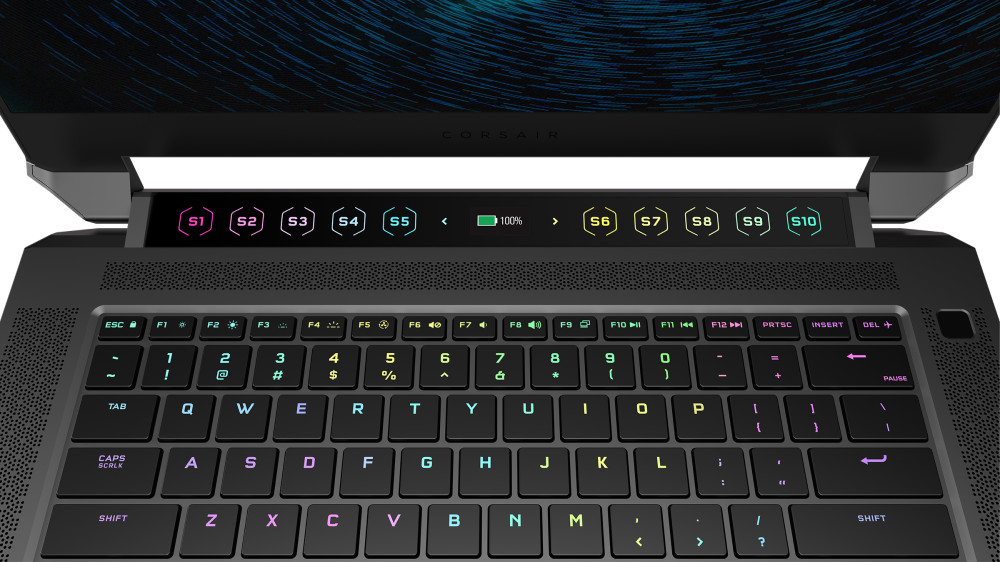
Corsair Voyager a1600 Keyboard Deck

(Image credit: Corsair)

There’s also a focus on cool stuff for streamers, with Elgato (an outfit that specializes in streaming and capture tech, and is owned by Corsair) providing its Stream Deck software, tied in with 10 customizable shortcut buttons in a touch panel above the keyboard to allow streamers to easily invoke whatever they need with a single tap. You also get a 1080p ‘streaming grade’ webcam and directional 4-mic array.

You’d expect a gaming keyboard, and you’ll get one: a full-size affair with Cherry MX Ultra-Low Profile mechanical switches and RGB backlighting. Also worth noting is that there’s a gap at the bottom of the laptop lid that means the touch buttons are still showing even if the notebook is closed (and this gives the Voyager something of a different aesthetic, too).

We don’t know when the Corsair Voyager a1600 will hit the shelves yet, but we do know how much the two different models will retail at in the US: $2,700 (around £2,150, AU$3,800) and $3,000 (around £2,400, AU$4,200) for the Ryzen 7 and Ryzen 9-powered versions respectively.


Analysis: Something a bit different – but a somewhat niche proposition

It’s interesting to see Corsair’s debut in the gaming laptop world, capitalizing on that AMD synergy with the likes of SAM – and maybe even AMD’s smart storage tech, as was previously rumored, but that wasn’t mentioned at this launch – and doing something different for streamers.

Certainly, there’s a neat extra in terms of the software for streamers and integrated touch panel (which also sports a central display that can, for example, show your remaining battery charge). Of course, most streamers will prefer to do their job at a desk, and therefore with a desktop PC you’d imagine, but still – there’s nothing wrong with alternative options on the table (or on the lap, perhaps – or maybe not).

The Voyager isn’t a cheap laptop, but it packs a good amount of power into what is a pretty thin and relatively light (2.4kg) gaming notebook, with some interesting new ideas. How much appeal the ‘mobile streaming’ angle will have, well, we’ll just have to see…

This year, Computex is once again virtual, but we'll still be bringing you all the breaking computing news and launches as they happen, so make sure you check out all of TechRadar's Computex 2022 coverage.


from TechRadar - All the latest technology news https://ift.tt/yIgwXTu
via IFTTT

Sunday, May 22, 2022

Google Pixel Tablet: everything we know so far

Google IO 2022 was full of surprises, because along with the expected announcements the company also teased the likes of the Pixel 7 and even a new Pixel Tablet.

This came as a complete surprise, as other than a job advert there had been no previous sign that Google was working on a new slate. But not only has Google now confirmed that it is working on one, it’s even shown images of the Pixel Tablet, and shared the first details.

Below, then, you’ll find everything we’ve heard so far about the Google Pixel Tablet. Currently that’s basically just what Google has told us, but we’d expect leaks and rumors will start rolling in soon, and well add them to this article once they do.

Cut to the chase

  • What is it? An upcoming tablet from Google
  • When is it out? 2023
  • How much will it cost? No idea yet

Google Pixel Tablet release date and price

Google has confirmed that it’s aiming to launch the Pixel Tablet sometime in 2023, so there’s quite a while to wait before it's available to buy.

The company didn’t get any more specific than that, but we can take an educated guess at when we might see it, as there are two points in the year when Google tends to release new hardware. First there’s Google IO, which almost always takes place in May.

Then there’s the launch of new numbered Pixel models, which happens towards the end of the year, usually – but not always – in October. So during one of those events would be an obvious time for Google to launch the Pixel Tablet, but it’s entirely possible the tablet could be unveiled at another point in 2023 instead.

Of the two likely options we’d think October is the most likely, as Google didn’t sound certain that the slate would even be out by the end of 2023 – rather that’s just the company’s goal. So there’s probably a lot of work left to do on it.

So far, we have no idea how much the tablet will cost. We can’t even really guess as the company hasn’t recently launched any other tablets, and we don’t know how high-end the Google Pixel Tablet is.

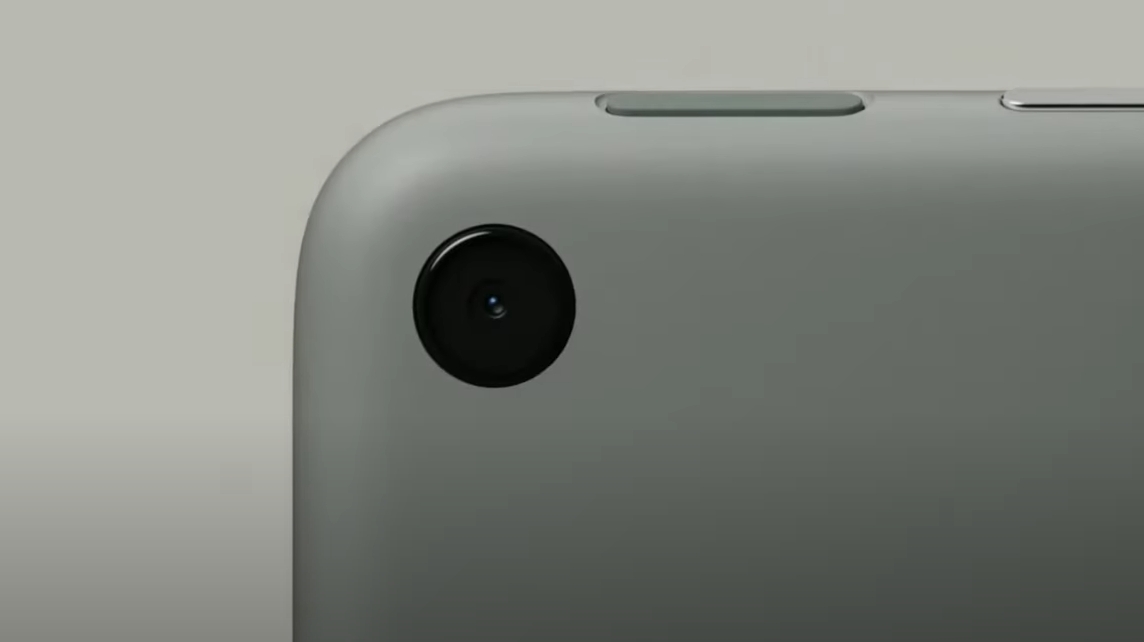
The Google Pixel Tablet from the back, focused on the camera

(Image credit: Google)

News and rumors

Google has shared some images of the Pixel Tablet, two of which you can see above.

The slate is shown here in white with a curvy rear, fairly large bezels around the screen, and a single-lens camera on both the front and the back.

From the design – which is a bit like a Google Home Hub without the stand – we’re thinking this will probably be a mid-range slate rather than a high-end one, so it could be more of a competitor to the basic iPad 10.2 or the iPad Air (2022) than an iPad Pro 11 or the Samsung Galaxy Tab S8 Ultra.

Beyond a brief glimpse of it, Google also revealed that the tablet will use the company’s Tensor chipset (which is currently found in the Pixel 6 range). However, given that it’s not landing until 2023, we’d expect that the as-yet-unannounced second or third generation of the chipset would be used, rather than the current one.

We also know of course that the Pixel Tablet will run Android – specifically either Android 13 or Android 14, depending on when in 2023 it launches. Being a Google device it’s also sure to get a lot of software updates – and to get them promptly.

But this won’t be the Android tablet experience as you might know it, because Google has been working to improve things on slates, with Android 13 set to bring a redesigned interface, designed to make the most of bigger screens.

Beyond that we can speculate that it might have the same 50MP rear camera as the Pixel 6, since Google doesn’t tend to change up the camera hardware it uses too often, and that was a new sensor for the range.


from TechRadar - All the latest technology news https://ift.tt/AJN0qkU
via IFTTT

Friday, May 20, 2022

Thursday, May 19, 2022

Twitter steps up Ukraine misinformation fight

The social media platform says it will put false claims from official accounts behind warning notices.

source https://www.bbc.co.uk/news/business-61512261?at_medium=RSS&at_campaign=KARANGA

Subsea internet cables could help detect earthquakes

Optical-fibre cables could spot tsunamis or the effect of climate change on currents, researchers say.

source https://www.bbc.co.uk/news/technology-61506705?at_medium=RSS&at_campaign=KARANGA

Amazon Fire 7 is now more expensive – but why?

The bar for bargains has been raised. Amazon's new Fire 7 tablet is, at $59.99 / £59.99 (around AU$105), a good deal, but its predecessor was an arguably better one. What just happened?

There were few better gadget deals than Amazon's 7-inch Fire tablet. For years and through various updates, it's sold for just $49.99 – a just-blow-$50 Android wonder that was the perfect tablet gift for children and family members who might not treat their gadgets with the utmost care. For a time, Amazon was selling them in bundles, like a carton of eggs, so you could quickly replace a broken egg... er... tablet with a fresh one.

The specs were never stellar. A relatively low-resolution 1024 x 600 7-inch touch-screen, a 1.3GHz Mediatek CPU, 16GB of storage, a gig of RAM, and a pair of 2MP cameras for the front and back. But it had all that many people need for basic tablet activities: lightweight gaming, browsing, email, reading, and watching videos.

The $59.99 Amazon Fire 7 tablet repeats most of those specs, including the screen resolution, cameras, base storage, and screen size. For the extra $10, you get a 2GHz quad-core processor and twice the RAM (and it might be a hair lighter than the last model). That fresh processor and RAM boost will result in a faster tablet, though the target market might not notice.

I'm left wondering why Amazon had to raise the price by $10. Granted, it's not a lot (maybe enough for a bath mat, some cheap wired earbuds, an iPhone charge cable, or surgical masks), but in these increasingly difficult economic times, that extra scratch can make a difference.

Why the price hike?

I have some theories about why this is happening.

Amazon is possibly passing along the cost of the more powerful processor and RAM directly to consumers. This might be because it's getting more difficult to get these baseline or commodity processors. Higher-end, more bespoke, and powerful ones are somewhat easier to get. 2GHz chips like this, which might also just end up in, say, a car computer, are getting tougher to find.

Getting tablet components, in general, has become more difficult. Look at Apple, which complained last quarter that lower iPad sales were due to supply chain issues and not consumer disinterest.

The higher Amazon Fire 7 price could also be basic inflation. The costs of everything Amazon is doing, from warehouses where employees are unionizing to trucks fueled by nearly $5 a gallon gas delivering products, are going up.

It's also possible that by not making a big deal about the price increase, or really referencing it at all, Amazon thought no one would notice. It is giving consumers a little more, after all.

An Amazon Fire 7 Android tablet for $59.99 is still a good deal, especially when you compare it to the cheapest Apple iPad (the 9.8-inch, $329 iPad), but I think we'll all miss the days when you could get a remarkably good tablet for under $50.

Now I'm just wondering when Amazon will raise the price to $69.99…

If you're curious which kind of tablet really turns me on, check out my 24 hours with the iPad Air (2022).


from TechRadar - All the latest technology news https://ift.tt/roaRugB
via IFTTT

Wednesday, May 18, 2022

Apple introduces new professional training to support growing IT workforce

To help meet growing demand, Apple today launched updated professional training and certifications for IT support and management.

Tuesday, May 17, 2022

Monday, May 16, 2022

Forget the metaverse, the Meetaverse is where your next meeting might be at

Walking around my own private convention hall, marveling at my own mostly minuscule accomplishments, I thought, "I could get used to hanging out here in the Meetaverse."

Nope, that's not a misspelling. Meetaverse, from Allseated, is a browser-based 3D meeting platform. Meetaverse builds these bespoke 3D spaces for conferences, companies, and meetings. Or it will, after the platform launches this week. The company told me it already has a catalog of hundreds of venues that they've 3D scanned and rendered and 10,000 3D objects they can drop into the 3D environment. 

A custom Meetaverse environment

(Image credit: Future)

Not quite the metaverse

As the name suggests, the finished Meetaverse spaces have a metaverse flavor. They are 3D, virtual environments that include avatars, activations like articles you can dive into and read, videos you can watch, and, as I saw in my own space, details about the brand. To make me feel more at home, Meetaverse filled my space with details about me: there were walls with my photos, my social media stats, and articles I've written.

The avatars - including mine - looked like a cross between EVE from Pixar's WALL-E, and a 1960s TV set. The top half of each avatar is filled with a screen featuring a live video feed for each meeting participant. There were also a bunch of NPC avatars floating around just to fill up the virtually cavernous space. Off to the left of my browser screen was a more traditional foursquare live video feed of me and the three Meetaverse representatives: Chief Marketing Officer Cal Nathan, Marketing Director Nick Borelli, and Project Facilitator Manager Lauren Holley.

A custom Meetaverse environment

(Image credit: Future)

Unlike the metaverse, Meetaverse is designed for browsers and not VR headsets (though Mettaverse did work on Oculus-friendly versions for a while). They want it to work on any browser, but told me that, for now, the experience is best on Chrome. Watching the platform build my 3D Meetaverse space reminded me of VR 1.0 meeting rooms of the late 1990s. Still, the graphics and movements through those spaces were never this good.

While not exactly a realistic rendering of a conference hall, the Meetaverse does look good and well-laid out. There was an entry space, a welcome section, breakout rooms with semi-translucent glass walls, and a large presentation space.

First, I tried using the on-screen navigations buttons and then my mouse to move about but it was difficult to control my movements. At the Meetaverse exec's suggestion, I switched to the arrow keys on my laptop and found movement intuitive and relatively smooth. I didn't like, though, how after you let go of an arrow key, you kept moving a virtual step or two - the execs insisted this was by design.

Even though you can walk through solid objects (again, another conscious design decision), there's no way of quickly teleporting from one spot in the Meetaverse to another (you can dial in and out of entire Meetaverses events or meetings, though). I wondered if, in the case of a busy Meetaverse trade show, you could hit the tab key and jump from one booth to another. Borelli insisted that will kill some of the serendipity of the system.

A custom Meetaverse environment

(Image credit: Future)

While my demo space was a conference hall, Holly told me the first use case is just meetings, much like the ones you might have in Zoom or Google Meet. I asked them if their approach is overkill.

"It is more on the line of experiential than other platforms you mention. Adding more experiential elements facilitates more of the oasis away from those types of atmospheres [ike static Zoom and Google Meet]." said Meetaverse's Nick Borelli.

Okay, sure. I can see Meetaverse making a meeting more fun, but all that 3D and oddball avatars can get a little distracting.

Meetaverse can build an environment in three-to-four weeks and will charge $15 a head (with a minimum of 500 users). The per-seat price drops if you sign up for more than a year. 

In the meantime, I need to find out if I can start giving tours of my own Meetaverse.


May 17, 2022 at 07:00AM from TechRadar - All the latest technology news https://ift.tt/tLhY5kD
via IFTTT

Meta being sued by ex-Facebook content moderator

The man worked in Kenya, and says he was paid under £2 an hour to review posts including beheadings.

source https://www.bbc.co.uk/news/technology-61409556?at_medium=RSS&at_campaign=KARANGA

Sunday, May 15, 2022

Friday, May 13, 2022

Thursday, May 12, 2022

Wednesday, May 11, 2022

Tuesday, May 10, 2022

Monday, May 9, 2022

Here's what Apple's former design chief thinks you should buy

Apple’s former Chief Design Officer Jony Ive shared the twelve most important tools that he uses when creating, measuring, or jotting down.

His choices come from the latest issue of ‘How to Spend It’, a series from The Financial Times where the publication takes a well-known public figure and asks them for recommendations on what people should buy.

If you don’t know who Jony Ive is, as Apple's former design lead, he gave the world some of the company’s most iconic products, designing the original iMac, iPod, and iPhone, just to name a few.

Full list of gadgets

Going down the list, Jony Ive’s choices are ostentatious, to say the least. Most are either expensive versions of common household items or some kind of specialty tool.

The list is as follows:

Ive doesn’t say why he choose so many different types of tools for his eclectic collection, but in a related “How to Spend It” piece, he gives some indication. Simply put, he just like tools and the way they look.

Ive states “There’s a beauty and a joy in the machines and tools. …I think there’s an inherent elegance in an effective tool that normally results in a curious beauty.” These were certainly interesting choices from the man who played a major role in making Apple what it is today.

Departure from Apple

Despite being a major force at Apple, Jony Ive left the company in 2019 due to clashes with upper management and CEO Tim Cook. Ive wanted to continue making aesthetically pleasing products, but the company wanted to focus more on the business side of things.

Today, Jony Ive has created his own creative firm called LoveFrom, where he designs products for clients. Funny enough, his first client after establishing his firm was Apple.


from TechRadar - All the latest technology news https://ift.tt/taMlvix
via IFTTT

10 things to know before choosing a website builder

At one point or another, creating an online presence is something that should have crossed almost everyone’s mind. Why? Because everything we do in this day and age revolves around the web. 

Higher growth potential and a wider pool of consumers for businesses can all be attained if the right website is made. When it comes to creating a solid online presence,the best  website builder services and web hosting providers are key ingredients to making that happen.

Finding the right tools is imperative to your online success, but you need to know what you’re looking for. So if you are starting up a website and are scouring through website builders, here’s 10 things you need to know and look out for before you lock in and purchase.

1. Pricing and renewal cost 

It is important to have a rough budget of what you are willing to spend on a website builder in order for things not to get out of hand, say if a renewal cost varies from the original price you paid to purchase the service.

For example, Bluehost Website Builder has a Pro plan that is priced at $9.95 per month, for a 12-month subscription that renews at $14.99 per month. Its Online Store will similarly cost you $24.99 per month for the same duration, and renews at $39.95 per month.

So if you plan to stick it out with the website builder you’ve chosen, it’s important to check the renewal cost so it doesn’t come as a surprise when the bill comes. Several providers offer free website builder services, but charge anywhere between $5-$25 per month for packages that provide features most websites or businesses may not need.

2. Ease of use 

If you aren't a professional web developer or have no coding experience, you’ll most likely want to pick a website builder that is extremely simple to use and navigate. 

One of the easiest ways to build a website is to use a provider that offers a drag-and-drop system, allowing you to simply pick a template before dragging all the features and elements you need..

For example, Wix has over 800 designer-made templates that cover all types of websites, from a recipe blog to a wedding event site, and from a car mechanic business to a consultancy. 

Such services mean beginners can still get professional quality websites made without needing to pay for a web developer or a website design service.

3. Customer service support 

Many of the best website builders on the market offer quality 24/7 customer support, but not all offer the same level of assistance.

Some offer live chat support, while others offer phone or email options - and some website builders offer all three.

If you have a query that can be answered by looking on the provider’s FAQ page, you will certainly need an option available to help whenever you need it.

4. Mobile friendly 

In an age where smartphones have become the miniature computers we all carry around in our pockets, having a mobile-friendly online presence is imperative. 

Most website builders give you the option to edit your site on a desktop, tablet or mobile setting to help you see what your users will see when they visit your site. Using a mobile website builder with device preview gives you peace of mind that your website will always perform at its best. 

Zyro offers a builder with a mobile-first approach that has responsive templates to fit the dimensions of a phone, tablet or desktop screen. The last thing you want is a great looking website that works perfectly on a desktop, but is hardly legible on a smartphone. 

5. Domain 

Every website builder differs when it comes to the specific features it offers. Some website builders such as Gator offer free domain name registration for a year.

If you have already purchased a domain using a domain registrar, this feature will not necessarily be an important one for you.

Every website needs a domain name that is catchy and unique to your brand or business, so it’s important to think about this before you choose a website builder and start creating your site. 

6. Reviews 

The best way to gauge which website builders can be as simple as reading reviews. Getting some information on the website builders you have in mind before you test for yourself could save a lot of time and could eliminate the process of testing out multiple builders.

We’ve tested and reviewed over 160 website builder and web hosting providers, and have honed in on the most important elements each service offers.  

7. Storage 

When it comes to the amount of storage you need for your website, it will always vary based on the type of site you want to build.

For the average advanced user, 30 GB is usually plenty, and is the standard offered by  many of the top website builder services around.

For more sophisticated websites that require more space, most builders offer unlimited storage when you pick packages on the higher price scale of its offerings. Weebly, for example, offers 500 MB storage for its free plan, but unlimited storage if you purchase its pro plan.

Once you know the type of website you want to create, you can very quickly determine just how much storage you are likely going to need.

8. SEO capabilities 

Building a website is one thing, having a site that ranks highly on Google is another. You always want your website to be visible for potential users, and that’s where SEO tools come in. 

Check for a website builder that offers SEO tools, which will give you the ability to add keyword tags to your site. Some builders even allow you to add SEO data for your entire website. SEO tools make it simpler and easier to ensure that your website is optimized for performance, as well as being able to manage and monitor your search engine rankings.

9. Ecommerce capabilities 

Although only applicable to those who want to build an online store and sell products or services, picking a website builder that has ecommerce capabilities will provide you with the best place to showcase your merchandise, help with online transactions and track your financial progress in the easiest way.

Most website builders offer ecommerce plans, therefore knowing how many products you plan to sell, how you want to promote those products and the types of payments you are willing to accept should all be key factors in your choice.

When you look at an ecommerce website builder such as Shopify, it offers users complete control over a store’s design, and no matter what plan you choose.

10. Web hosting 

 Last but by far not the least is web hosting. To host your site, you will need to pick a top quality web hosting provider that offers the most appropriate solution that you can afford.

From shared hosting to VPS hosting, there are hosting services that cater to all types of websites online. The type of website you want to create will determine the type of hosting service you choose, as many web hosting services are user friendly and come with 24/7 customer support.

Before you go 

Remember, these tips are only a guideline to help you along your journey to building a successful website and expanding your online presence.

Website builder services are the perfect solution for those looking to build a professional website on a budget. The do-it-yourself approach these services promote saves you time and money, and can help you bring your online vision to life.


May 09, 2022 at 09:05AM from TechRadar - All the latest technology news https://ift.tt/Rd2vamH
via IFTTT

Sunday, May 8, 2022

Bitcoin value drops by 50% since November peak

The slide in the value of cryptocurrencies comes as stock markets around the world have also fallen.

source https://www.bbc.co.uk/news/business-61375152?at_medium=RSS&at_campaign=KARANGA

Friday, May 6, 2022

Period tracking apps warning over Roe v Wade case in US

Digital rights group the Electronic Frontier Foundation says women must know how their data is being used.

source https://www.bbc.co.uk/news/technology-61347934?at_medium=RSS&at_campaign=KARANGA

AMD’s rumored Smart Access Storage could speed up your gaming laptop’s SSD

AMD is planning to bring in new tech which is apparently called Smart Access Storage, and so is presumably some kind of storage speeding innovation, although the rumor mill is especially vague on any details here.

This comes from VideoCardz which claims to have received info (via Disclosuzen) on said Smart Access Storage, but as noted, there are no details provided as to exactly what this feature might be – so we’re left to speculate on that score (which we’ll do very shortly).

What we do know, or at least what this nugget from the grapevine tells us, is that a Corsair gaming laptop will be the first device to come with Smart Access Storage on-board – and that’s scheduled to launch in June.

So it’s a pretty fair bet that AMD will reveal this storage innovation at Computex 2022, at the end of May, although remain skeptical about all of this, naturally.


Analysis: What will Smart Access Storage be, exactly?

Here comes the total speculation bit, but it’s an obvious educated guess that Smart Access Storage will be some kind of storage acceleration so games will run better (hence it launching with a gaming laptop from Corsair called Voyager – the first ever such notebook from Corsair, we might add, though the firm does have an existing range of desktop gaming PCs).

AMD already has Smart Access Memory (SAM) tech that allows for performance gains by facilitating the CPU to have full access to the GPU’s memory (with supporting hardware) – this is Team Red’s version of Resizable BAR, of course – so presumably Smart Access Storage (SAS) will run alongside this.

What it might be, as VideoCardz suggests, is the name for AMD’s spin on Microsoft’s DirectStorage feature, which was officially launched for the PC a couple of months back (after debuting on Xbox Series X). This clever tech not only speeds game loading times – primarily on NVMe SSDs – but also enables open world games to run more smoothly with swifter loading of assets on-the-fly. Furthermore, with Windows 11, it could really reduce CPU overhead considerably, too.

SAS could be AMD’s own tech, of course, and something entirely different related to speeding the way storage works, but if it is Team Red’s take on DirectStorage, which does seem the most likely state of affairs, what we have to bear in mind is that the tech needs to be supported by game developers. And there’s only one title which does so currently, namely Forspoken – and even that isn’t out until October (assuming it isn’t delayed again).

All of which is to say that if Smart Access Storage is indeed based on DirectStorage, it won’t be something that’s going to make a big splash anytime soon in terms of its real-world rather than theoretical impact.

Time will tell, and hopefully we’ll find out more about whatever this storage feature is – if anything – in a few weeks at Computex.

That Corsair Voyager laptop, incidentally, is expected to be an all-AMD machine with a Ryzen 9 6900HX CPU and Radeon RX 6800M graphics, and as the debut gaming notebook from the company, it should be a real interesting one to watch in itself.


from TechRadar - All the latest technology news https://ift.tt/GzCtEWY
via IFTTT

Thursday, May 5, 2022

UK government sets out plans to rein in Big Tech

A regulator will have powers to fine firms such as Google and Meta if they fail to follow new rules.

source https://www.bbc.co.uk/news/technology-61342576?at_medium=RSS&at_campaign=KARANGA

Elon Musk lines up investors for Twitter purchase

The billionaire has secured $7bn from 19 investors to help with his $44bn purchase of the social media platform.

source https://www.bbc.co.uk/news/business-61337622?at_medium=RSS&at_campaign=KARANGA

Screen-sharing scams on the rise, watchdog warns

New report claims fraudsters are using screen-sharing tools to gain victims' trust and then steal money.

source https://www.bbc.co.uk/news/technology-61323399?at_medium=RSS&at_campaign=KARANGA

Lenovo Legion gaming laptops hit by major BIOS fail

Lenovo gaming laptop owners have run into trouble in some reported cases due to a freshly released BIOS update which went live in April.

Since it was rolled out a month ago, more and more folks have been updating to the BIOS version ‘GKCN53WW’, and there have been growing amounts of complaints on various online forums (including Lenovo’s own platform) around serious issues which have been encountered post-upgrade. Windows Latest, which spotted this, observes that the problems mostly affect Lenovo Legion gaming laptops.

The nastiness caused by the BIOS update in some cases includes the likes of Blue Screen of Death crashes with the error ‘DEVICE_POWER_STATE_FAILURE’ (or a driver power failure) or even boot failure, and freezing during game sessions, along with frame rates dropping badly at times.

One Reddit denizen posted: “I installed this on a Legion 7 16ACHg6 I’ve had for 7 months. After playing games for 10 min or so the laptop severely throttles for a couple of minutes. In terms of performance, it was impossible to ignore. Dropping from 75-140fps in FFXIV online to around 15-20fps.This throttling would repeat every 10 min or so.

“I reverted to GKCN49WW and the problem is gone. Pretty severe bug for a gaming laptop BIOS update pushed as ‘critical.’”

Lenovo does indeed rate this BIOS update as a critical upgrade to install, presumably because it contains fixes for some nasty BIOS vulnerabilities revealed by the laptop maker last month, along with a bunch of tweaking for power-related settings.


Analysis: Avoid the update, then? You could do, but that comes with its own risks

First off, we should note that there are folks on these various Reddit (and other) threads who have reported installing the GKCN53WW update without any problems. So, it might just be a relatively small percentage of Legion owners who have hit trouble with this BIOS update – we can’t know the exact numbers, of course, but the number of threads on Reddit suggest that this is not a rare occurrence, at least.

Therefore the best course of action could be to give the GKCN53WW update a swerve for now, arguably; but that said, those aforementioned BIOS vulnerabilities are not something you want to leave hanging around. However, you do not need GKCN53WW to fix those, as per Lenovo’s security advisory on this matter, those holes are resolved by updating to GKCN51WW (as well as GKCN53WW). So if you’re already on 51WW, you’re protected against these exploits.

The rub is that if you want to grab GKCN51WW now, you can’t anymore – we’re not sure why, but the only option for download is the new GKCN53WW, with its possible crashing and frame rate dropping issues. Hopefully Lenovo will fix this BIOS update soon enough, but we haven’t heard anything from the manufacturer yet – and meantime, you’re left with the tricky choice of whether to upgrade and chance the crashes, or stick and risk the vulnerabilities instead. (If you’re on GKCN51WW and managed to grab this version before it disappeared, we’d suggest very firmly that you stick with it for now).

If you do update to the latest BIOS and encounter problems, Windows Latest highlights that you can roll back to the previous BIOS version, which is now GKCN50WW: it can be downloaded directly as an EXE file here (but of course this does not have those vital security fixes).

To roll back the BIOS on your Lenovo laptop, just double click on the EXE file of the previous version you wish to install, and follow the instructions given by the wizard that pops up. You may have to enable the flashing of the BIOS to a previous version before you can roll it back, though, which is done in the Lenovo BIOS Setup screen – to get into that, see the instructions here.

Once in BIOS Setup, there’s an option which is related to rolling back the BIOS version, and you need to enable this (note that on some Lenovo machines, there can be a rollback prevention option which is enabled by default – and in this case, to revert to a previous BIOS version, you need to disable it).

Reverting the BIOS is, however, a process that can go wrong, so you do so at your own risk – and whatever you do, ensure that the laptop doesn’t power-down while applying a new BIOS (that’s how devices can get bricked).

All in all, it’s not a great situation for the less tech-savvy Lenovo laptop owners out there, who may not want to mess with BIOS rollbacks, but could feel forced to do so, if any post-update crashing issues are really bad. And indeed they may well feel it’s best to sit tight on an older BIOS to avoid this scenario – understandably – but that’s hardly ideal from a security perspective, either. So, hopefully Lenovo will be looking into fixing these reported problems as a matter of priority…


from TechRadar - All the latest technology news https://ift.tt/7LmJvjU
via IFTTT

Apple, Google, and Microsoft commit to expanded support for FIDO standard

Faster, easier, and more secure sign-ins will be available to consumers across leading devices and platforms.

Your Mac can finally have a great webcam, thanks to your iPhone

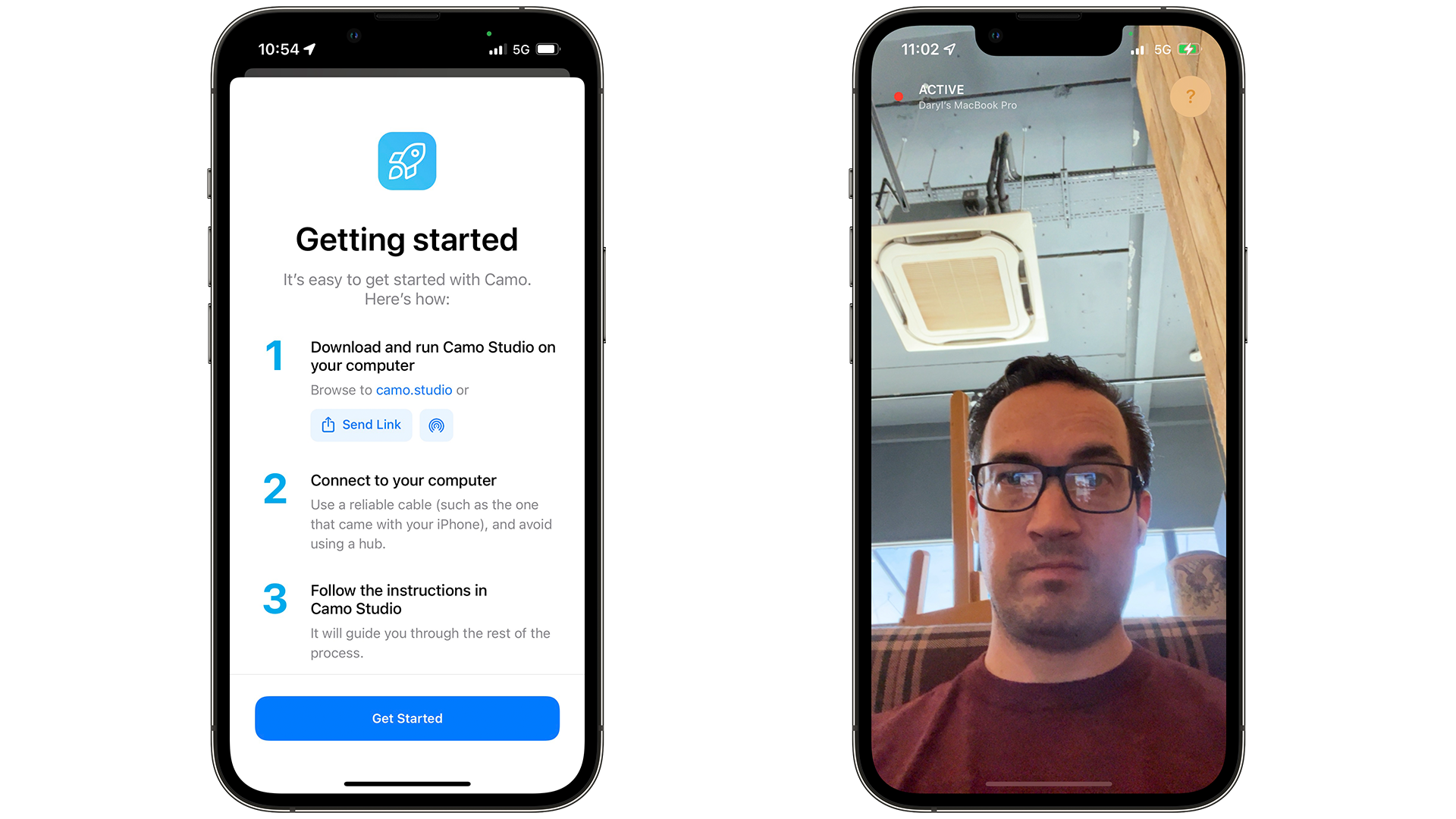
It’s no secret that the webcams on Apple’s Mac devices leave a lot to be desired, with no better example than the Studio Display’s recent issues. But the Camo app looks to solve this, with a new update that enables it to be used for FaceTime calls, alongside native support for Discord, WhatsApp, Slack, and more.

While a firmware update for the Studio Display is in testing, which looks to fix some of the issues that the webcam in the display has been suffering from, it seems that there’s still a long way to go before it’s acceptable for use in calls, especially for the price that the display is being sold for.

Yet Camo is one of those ‘why didn’t I think to do this before?’ apps, as we all carry around mobile devices that have fantastic single, dual, and triple cameras that can easily trounce Mac webcams.

While it’s free to download, there’s a monthly subscription fee of $4.99 / £4.39 / AU$5.49, with a lifetime license of $79.99 / £69.98 / AU$87.99 which enables more features. We gave Camo a try with an iPhone 13 Pro, and we were surprised with the results.

Lights, Camera, App

Using Camo on iOS for the Mac

(Image credit: TechRadar)

Installing the app on both macOS and iOS was a simple task, but it was only when we were trying to configure the app on macOS that it felt overwhelming, due to the many options available to customize the iPhone’s camera.

However, after getting used to Camo after an hour, you come to realize that you only need to focus on some menus on the left to change between the lenses on your iPhone. Camo already integrates with Zoom, FaceTime and other conferencing apps, so you just need to switch the video in their settings to ‘Camo’ and you’re all set.

Of course, you’re going to need to find a mount for your iPhone to make sure that it gets your good side when in those conference calls.

Comparing the Macbook Pro 14-inch webcam to my iPhone 13 Pro’s rear camera was night and day. The quality was as good as a Pro webcam from Razer or Logitech, with different resolutions and focus options to choose from. Camo didn’t trip up once with latency or a crash as I was testing it in various apps, either.

Why do Mac webcams still suck?

While I don’t own a Studio Display, it does raise the question of why the webcams in Macs are still not good. Apple certainly talked up the camera in the Studio Display when it was announced in March, but real-world tests have shown it to be well below par.

We’re at a point where the iPhone SE 3’s front camera can take better quality photos and videos than what the camera from the $1,500 Cinema Display from Apple can achieve. But Camo can solve this problem, even with its free option.

For now, an improvement we’d like to see for Camo is to have your Mac connect to an iPhone without a wire

However, for now it solves a big issue that Apple is currently dealing with in its Cinema Display, so if you want to look glamorous in 4K in conference calls, Camo offers that opportunity for you.


from TechRadar - All the latest technology news https://ift.tt/0Ipn1ws
via IFTTT

Wednesday, May 4, 2022

Cyber-security chiefs warn of malicious app risk

Devices from smart speakers to fitness trackers have apps, and cyber-criminals are exploiting weaknesses.

source https://www.bbc.co.uk/news/technology-61323395?at_medium=RSS&at_campaign=KARANGA

Roblox: Gamers frustrated by lengthy outage

Issues with the game popular with children began before midnight and continued into the morning.

source https://www.bbc.co.uk/news/technology-61309551?at_medium=RSS&at_campaign=KARANGA

Uncovering the sounds of a galaxy far, far away with Mac

Skywalker Sound is advancing sound artistry and reshaping the industry with the power of Mac and Pro Tools.

Tuesday, May 3, 2022

New Kindle update makes it much easier to switch to an Amazon ereader

Recently news broke that Amazon Kindle ereaders will now support the popular EPUB file format for books, as well as Kindle, PDF and many more types of documents - we covered the story when it broke.

If you're thinking "well, that's good news" then you're right - EPUB is a very popular file format for digital books, and many publishing trade groups consider it the format of choice for sending ebooks. On top of that many websites and libraries use it, meaning you can now use a greater range of books on your Kindle.

But there's actually another great reason that EPUB support is big news for Kindles - and it all comes down to Amazon's ereaders and their place in the market.

A standard format

Not only do lots of digital book repositories online use EPUB files, but so too do plenty of other ereader companies.

Google Play Books uses EPUB files, as do Kobo and Onyx devices and their respective smartphone apps. It's very much the standard for this kind of digital file.

Notes app on the Kobo Sage

(Image credit: TechRadar)

Now that Amazon Kindles take the format, every single device on our list of the best ereader can now read and understand the format - and that's great for switching devices.

Switching devices

The main thing that'll put people off from switching tech ecosystems, is the data they could lose. If you switch from an iPhone to an Android device, none of your App Store purchases will carry over - you'll need to pay again for the same apps.

That would previously have been the case for ereaders - if you have a Kindle, with all its proprietary files, you wouldn't consider moving over, or vice versa. But that's changed.

Now, if you've got a Kobo but want to buy a Kindle, you've got a much easier job of transferring your entire library over. You don't need to individually convert each file - you could easily get a 'Send to Kindle app' as well as the Kobo app, and use them to easily send your entire collection of books to the new device.

This update really does help Amazon in that regard, removing one hurdle it has in convincing ereader fans to pick up one of its devices.

Saying that, the benefit for the users can't be overstated either, and support for EPUB files means there are far more digital books ready to be used on Kindles. So this is good news for everyone - well, unless you have a Kobo or Onyx device.


from TechRadar - All the latest technology news https://ift.tt/DFbQez8
via IFTTT

Amazon ends Android shopping app digital downloads

The move is in response to Google's app store policies, under which it takes 30% commission on all sales.

source https://www.bbc.co.uk/news/technology-61297322?at_medium=RSS&at_campaign=KARANGA

Monday, May 2, 2022

Amazon Kindle will finally support EPUB books - but there's a catch

Amazon has very quietly announced that Kindle devices will finally support the EPUB format starting in late 2022 and expanding where owners can grab ebooks.

However, there is a catch. Kindles won’t have native EPUB support. You will still need to send the file through your Send to Kindle email address to convert the ebook from EPUB to a format that the device can read. Although, Amazon didn’t say what this format will be called.

On top of that, Amazon is removing support for .MOBI and .AZW formats from Send to Kindle.

The reason is that these are old formats that can’t support the latest Kindle features or any future ones. But if you already have MOBI files on your Kindle, don’t worry about a thing as they will still work. You just can’t get any new ones once the update rolls out.

Playing catch up

This format shuffle will put Kindle on the same level as other e-readers. The EPUB format launched back in 2007 and was quickly picked up by e-reader companies like Kobo, Sony, and Barnes & Noble.

Prior to this, it was certainly possible to read EPUB files on the Kindle, but the process was a little convoluted. What you had to do was to download a third-party ebook converter like Calibre or Convertio. From there, you upload the ebook and convert it into a MOBI file. From there, you send it to your Send to Kindle email address and upload it to the Kindle device. It wasn’t the most arduous task, but now that process will be less cumbersome.

Competitor support

While a step in the right direction for readers, it’s unknown just how far Amazon is willing to go to support EPUB files. You can only buy Kindle formatted ebooks on Amazon’s store whereas the competitors offer a greater deal of flexibility.

An EPUB file worked just as well on a Sony reader or a Barnes & Noble reader. You weren’t beholden to a single store or resource. Kindle owners, on the other hand, were essentially locked out from grabbing a free book from Google or directly from a public library. Kind owners can, of course, check out books from a library that works with a third-party app like Libby, which connected them to, naturally, the Amazon store where they gain temporary access to the Kindle-format ebook,  

Don't get too excited about the simple EPUB format access, since the rollout doesn't arrive until later this year. If you’re interested in an e-reader that supports EPUB files, there are several options like the Kobo Libra 2.


from TechRadar - All the latest technology news https://ift.tt/JER1yvi
via IFTTT

Sunday, May 1, 2022